

43,263
likes
2,758
comments
daily view 0
monthly view 0
Live Analytics
Comments 0
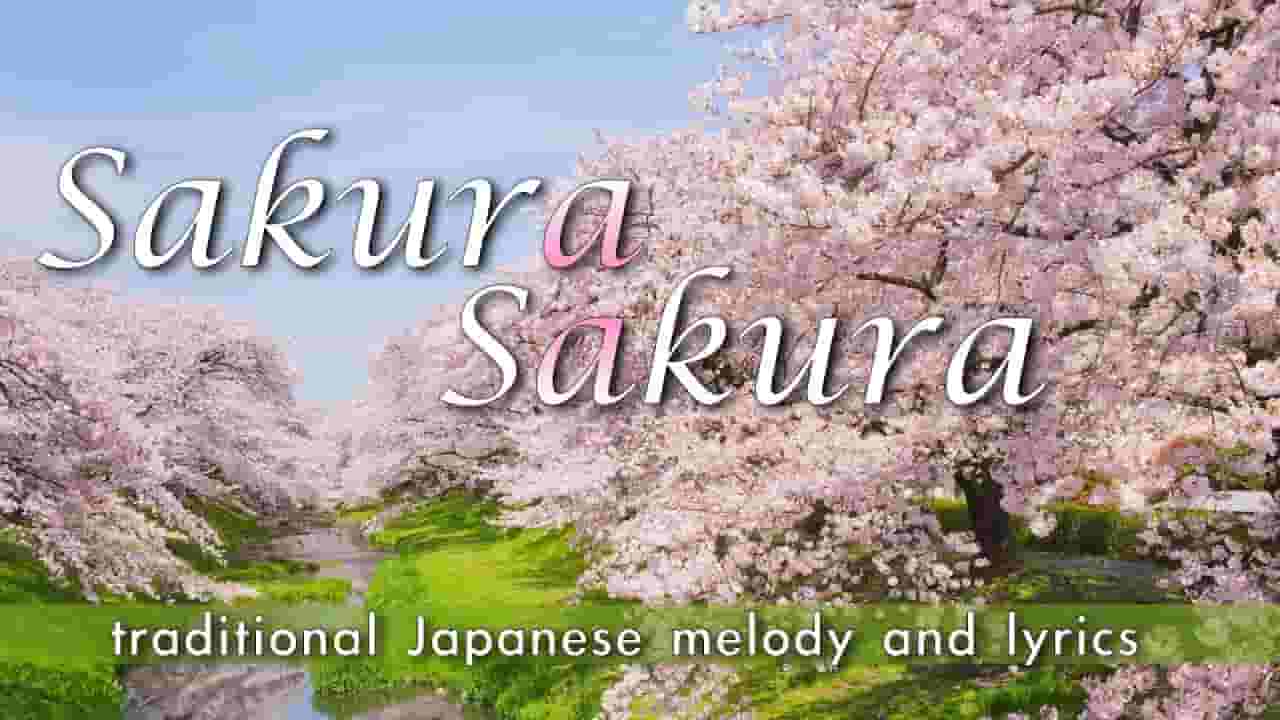
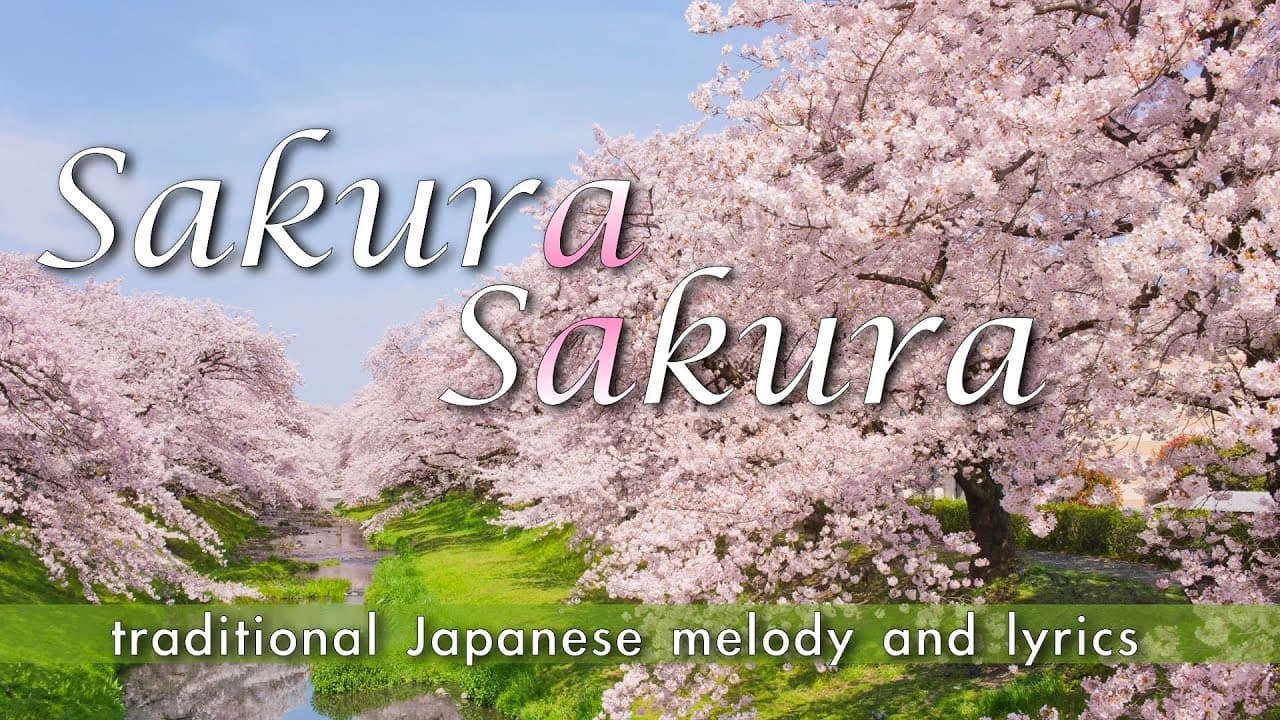
Sakura Sakura (traditional Japanese melody and lyrics )with subtitles Analytics Table
Income Estimates for Sakura Sakura (traditional Japanese melody and lyrics )with subtitles
Based on this YouTube video's total view count of 3.94M views and industry-standard rates, the estimated total earning is $2.76K - $7.88K through ad revenue. Historical data is not yet available to calculate daily, weekly, or monthly averages.
About Sakura Sakura (traditional Japanese melody and lyrics )with subtitles
Explore Sakura Sakura (traditional Japanese melody and lyrics )with subtitles with 3,943,385 views, 43,263 likes, and 2,758 comments. Experience the impact of this video content that has captured audience attention.
Hello to students and music lovers all over the world! 🌍 I am the creator and performer of this arrangement of "Sakura Sakura." I am deeply honored to see so many students visiting from their music and culture classes! Especially to the MAPEH 8 students from the Philippines — welcome! I am so happy to know that my video is helping you with your Quarter 2 lessons. I also warmly welcome all Japanese language learners and teachers using this as a resource. [Notice for Educators and Schools] I officially welcome the use of this video in classrooms and online learning platforms (such as Google Classroom) worldwide. For Teachers: Please feel free to use this as a reliable resource for Japanese traditional music. For Students: I hope this helps your studies. Your respectful comments are always a great motivation for me! [To Performers & Creators] I am delighted to see you perform or cover this song! You are welcome to use this instrumental track for your performances, school festivals, or YouTube videos under the following conditions: Credit the Source: Please include a link to this original video in your video description or social media post. Share Your Talent: If you upload your performance to YouTube, please leave a comment with your link below! I would love to see your wonderful work. Let's spread the beauty of Japanese music together! [High-Quality Audio & Global Streaming] This track is part of the album "Old Japanese songs vol.1," which has reached #1 on charts in multiple countries (including Canada, Germany, UK, and more) on Apple Music and iTunes. For high-resolution audio for your performances or personal listening, you can find the Vocal and Instrumental versions here: 👉 https://linkco.re/NPVb37Pg (Available on Spotify, Apple Music, iTunes, and other major platforms) Grateful to see this song reaching listeners worldwide, including top chart positions in various countries.☺️🌸 [Chapters] 0:00 Intro & 1st Verse 1:03 2nd Verse 1:53 3rd Verse 🎤 Want to sing it yourself? Check out the Karaoke (Instrumental) version here! Perfect for your practice or school presentations: 👉https://youtu.be/H4p-gS8o7A4?si=IQpAUeL3n5kUtNgP [Historical & Musical Background] Below is the detailed information regarding the song's history and musical structure (Source: Wikipedia). ......................... "Sakura", is a traditional Japanese folk song depicting spring, the season of cherry blossoms. It is often sung in international settings as a song representative of Japan. Contrary to popular belief, the song did not originate in ancient times; it was a popular, urban melody of the Edo period. Melody The "Sakura Sakura" melody has been popular since the Meiji period, and the lyrics in their present form were attached then. The tune uses a pentatonic scale known as the In scale. Expressed as diatonic notes in the major scale, the In scale is 3, 4, 6, 7, 8 (1), 10 (3); or the notes E F A B c e[1] (nominally A minor); or in solfège Mi Fa La Ti Do Mi. The melodic scale can either be represented in older Western musical theory by the Phrygian minor or the Phrygian major mode, with the 3rd and 7th notes in the scale omitted. Because the melody spans a modest range, it is ideally suited to instruments that have a limited pitch range, such as the Native American flute (similar to the Shakuhachi).[2] The melody arranged by Ongaku Torishirabe-gakari was included in Collection of Japanese Koto Music issued in 1888, for beginning koto students in the Tokyo Academy of Music.[3] Lyrics The original lyrics[4] are listed as the second verse in the table below. In 1941, the Ministry of Education published a new verse in Uta no hon (うたのほん 教師用 下) which was listed first, with the original verse listed second.[5] sakura sakura noyama mo sato mo mi-watasu kagiri kasumi ka kumo ka asahi ni niou sakura sakura hana zakari[5] sakura sakura yayoi no sora wa mi-watasu kagiri kasumi ka kumo ka nioi zo izuru izaya izaya mini yukan[4] -------------------------------------------------------------------- The above articles and English subtitles (translation of 1st and 3rd verse) are taken from https://en.wikipedia.org/wiki/Sakura_Sakura (April 16, 2021 am2:25 ) ----------------------------------------------------------------------- Arranged and played all by myself. #MAPEH8 #MusicGrade8 #JapaneseCulture #SakuraSakura #learnjapanese
About YouTube Real-Time View Count
With SocialCounts.org’s view counter, track your YouTube video’s live view count and YouTube likes count in real time with fast, reliable updates.
Watch every YouTube video live view count rise with our real-time YouTube views tracker—built for accuracy and minimal delay.
Follow YouTube real time views as they happen, using our dedicated view counter for YouTube videos.
Get up-to-date live view count on YouTube and see real-time growth with SocialCounts.org’s smart tracking tools.
Embed Widget
Parameters:
fullscreen=true- Fullscreen countergraph=true- Live graph chartcounter=0/1/2- Select counter (0=likes, 1=views, 2=comments)
URL
Click to copy the embed URL to your clipboard