


120
likes
0
comments
daily view 0
monthly view 0
Live Analytics
Comments 0
40,000 Years Ago: What Did They Do All Day? Analytics Table
Income Estimates for 40,000 Years Ago: What Did They Do All Day?
Based on this YouTube video's total view count of 2.48K views and industry-standard rates, the estimated total earning is $2 - $5 through ad revenue. Historical data is not yet available to calculate daily, weekly, or monthly averages.
About 40,000 Years Ago: What Did They Do All Day?
Explore 40,000 Years Ago: What Did They Do All Day? with 2,479 views, 120 likes, and 0 comments. Experience the impact of this video content that has captured audience attention.
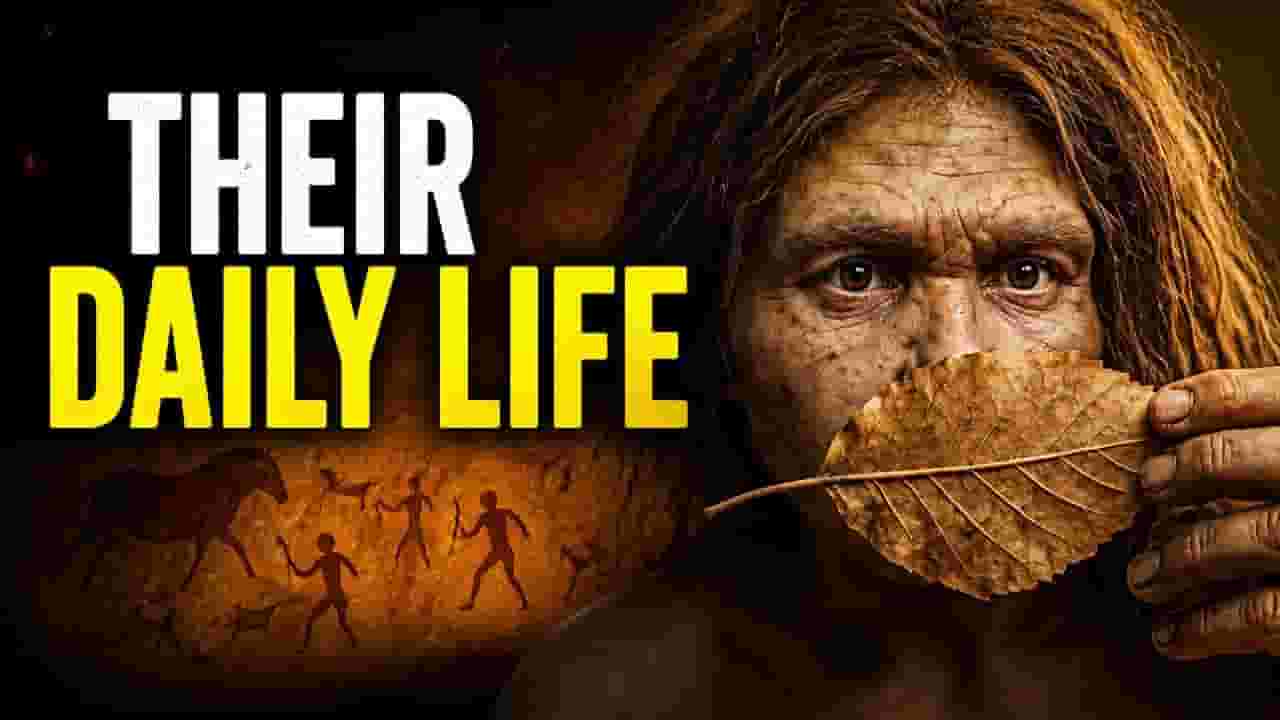
Imagine waking up 40,000 years ago. No alarm clock. No phone buzzing. No emails waiting. Just the cold morning air, the smell of smoke from last night’s fire, and the quiet sounds of your group beginning to wake around you. You are fully human — same brain, same emotions, same capacity for love, fear, humor, and creativity as anyone alive today. But your world is completely different. Most people imagine prehistoric life as nonstop struggle: constant hunting, starvation, and danger. But archaeology tells a different story. Early humans actually spent only about 4 to 6 hours a day gathering food, hunting, making tools, or maintaining shelter. The rest of the time was spent resting, socializing, storytelling, creating art, playing with children, and simply being together. Mornings began slowly. There was no rushing because there were no clocks. People stretched by the fire, checked the weather, talked quietly, and planned the day. Children played while adults repaired tools or prepared food left over from previous days. Most food didn’t come from hunting. It came from gathering — roots, berries, nuts, seeds, and edible plants. Early humans had an incredible knowledge of nature. They could identify hundreds of plant species and knew exactly which healed, nourished, or poisoned. Hunting happened less often, but when it did, it required teamwork, patience, and intelligence. Humans succeeded not because they were stronger than animals, but because they could cooperate, communicate, and endure. Afternoons were filled with craftwork. Stone tools were carefully shaped by hand. Clothing was sewn from animal hides. Jewelry was made from shells, bones, and teeth. These weren’t primitive people stumbling through life — they were skilled craftspeople with deep knowledge passed down through generations. And they had leisure time. Archaeologists have discovered bone flutes over 40,000 years old, meaning humans were already making music. Around fires at night, people sang, danced, told stories, and shared memories. Those stories taught survival skills, preserved history, and strengthened the group. Life was dangerous, of course. Injury, illness, and hunger were always possible. But prehistoric people also had something many modern humans struggle to find: strong community. They lived in small groups where everyone depended on one another. Children were raised collectively. Elders were respected for their knowledge. No one survived alone. The more we study early humans, the more familiar they become. They weren’t simply surviving in a brutal world. They were living full human lives — filled with work and rest, fear and joy, beauty and meaning. In many ways, around those ancient fires, humanity was already exactly what it is today.
About YouTube Real-Time View Count
With SocialCounts.org’s view counter, track your YouTube video’s live view count and YouTube likes count in real time with fast, reliable updates.
Watch every YouTube video live view count rise with our real-time YouTube views tracker—built for accuracy and minimal delay.
Follow YouTube real time views as they happen, using our dedicated view counter for YouTube videos.
Get up-to-date live view count on YouTube and see real-time growth with SocialCounts.org’s smart tracking tools.
Embed Widget
Parameters:
fullscreen=true- Fullscreen countergraph=true- Live graph chartcounter=0/1/2- Select counter (0=likes, 1=views, 2=comments)
URL
Click to copy the embed URL to your clipboard