


9,534
likes
465
comments
daily view 0
monthly view 0
Live Analytics
Comments 0
4 Types of Overthinking and How to Stop Them - Worry, Intrusive Thoughts, Rumination, Over-Analyzing Analytics Table
Income Estimates for 4 Types of Overthinking and How to Stop Them - Worry, Intrusive Thoughts, Rumination, Over-Analyzing
Based on this YouTube video's total view count of 257K views and industry-standard rates, the estimated total earning is $181 - $516 through ad revenue. Historical data is not yet available to calculate daily, weekly, or monthly averages.
About 4 Types of Overthinking and How to Stop Them - Worry, Intrusive Thoughts, Rumination, Over-Analyzing
Explore 4 Types of Overthinking and How to Stop Them - Worry, Intrusive Thoughts, Rumination, Over-Analyzing with 257,859 views, 9,534 likes, and 465 comments. Experience the impact of this video content that has captured audience attention.
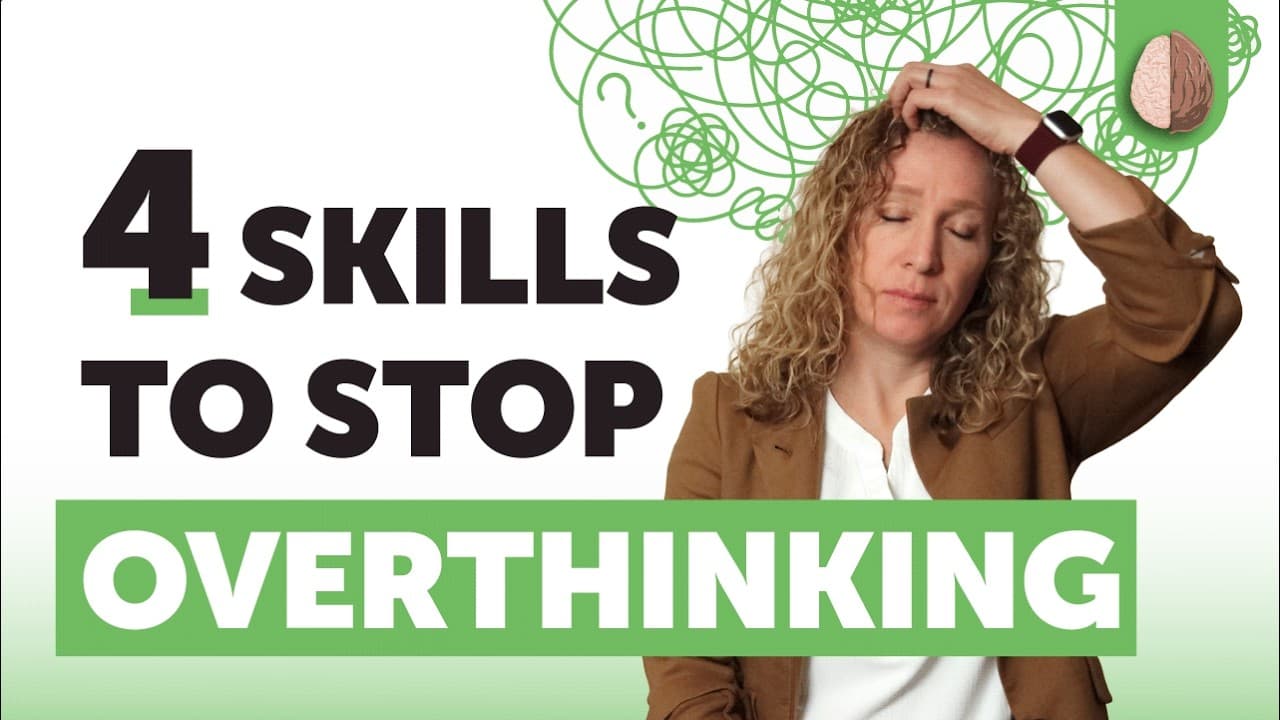
Learn 4 skills to stop overthinking, rumination, worrying and over-analyzing. Overthinking can make you super anxious, but there are practical ways to stop it. Learn the skills to Regulate your Emotions, join the membership: https://courses.therapyinanutshell.com/membership Online Course: Taking Charge of Intrusive Thoughts https://courses.therapyinanutshell.com/managing-intrusive-thoughts Everyone hates how overthinking feels — but most people struggle to stop doing it. That’s because your brain secretly believes overthinking is protecting you. In this video, we’ll cover 4 types of overthinking and the exact psychological skills to calm each one: The four types of overthinking: Worry (future-focused anxiety) Intrusive thoughts (unwanted, scary thoughts) Over-planning & over-analyzing (control disguised as preparation) Rumination (getting stuck in the past) The skills you’ll learn: How to use scheduled worry to stop stressing all day How cognitive defusion helps intrusive thoughts lose their power Why building trust instead of control reduces anxiety How to escape rumination by turning values into present-moment action How mindfulness trains your brain to redirect attention When therapy or medical treatments can help support neuroplasticity This approach works for anxiety, OCD, depression, perfectionism, people-pleasing, and chronic overthinking loops. You don’t stop overthinking by forcing your brain to be quiet — you retrain it by changing how you respond to your thoughts. “How to Stop Worrying” from Anxiety Course #14 https://www.youtube.com/watch?v=yqR77sa4EVE&t=5s "Intrusive Thoughts and Overthinking" https://www.youtube.com/watch?v=V3vhXQy48jo "How to Stop Depressive Rumination: Overthinking Part 3" https://www.youtube.com/watch?v=CRc9WJfpcKc Therapy in a Nutshell course: How to Process Your Emotions https://courses.therapyinanutshell.com/emotion-processing 00:00 Skills for Overthinking 00:30 Managing Overthinking Through Scheduled Worry 03:04 Breaking the Power of Intrusive Thoughts 06:37 Overplanning: Build Trust to End Negative Thoughts 13:22 Rumination: Turn Negative Thoughts into Present Action 18:55 A 5th Skill for Healing Overthinking Looking for affordable online counseling? My sponsor, BetterHelp, connects you to a licensed professional from the comfort of your own home. Try it now for 10% off your first month: https://betterhelp.com/therapyinanutshell FREE Mental Health Resources: https://courses.therapyinanutshell.com/free-resources Check out my podcast, Therapy in a Nutshell: https://tinpodcast.podbean.com/ Therapy in a Nutshell and the information provided by Emma McAdam are solely intended for informational and entertainment purposes and are not a substitute for advice, diagnosis, or treatment regarding medical or mental health conditions. Although Emma McAdam is a licensed marriage and family therapist, the views expressed on this site or any related content should not be taken for medical or psychiatric advice. Always consult your physician before making any decisions related to your physical or mental health. In therapy I use a combination of Acceptance and Commitment Therapy, Systems Theory, positive psychology, and a bio-psycho-social approach to treating mental illness and other challenges we all face in life. The ideas from my videos are frequently adapted from multiple sources. Many of them come from Acceptance and Commitment Therapy, especially the work of Steven Hayes, Jason Luoma, and Russ Harris. The sections on stress and the mind-body connection derive from the work of Stephen Porges (the Polyvagal theory), Peter Levine (Somatic Experiencing) Francine Shapiro (EMDR), and Bessel Van Der Kolk. I also rely heavily on the work of the Arbinger institute for my overall understanding of our ability to choose our life's direction. And deeper than all of that, the Gospel of Jesus Christ orients my personal worldview and sense of security, peace, hope, and love https://www.churchofjesuschrist.org/comeuntochrist/believe If you are in crisis, please contact the National Suicide Prevention Hotline at https://suicidepreventionlifeline.org/ or 988 or your local emergency services. Copyright Therapy in a Nutshell, LLC
About YouTube Real-Time View Count
With SocialCounts.org’s view counter, track your YouTube video’s live view count and YouTube likes count in real time with fast, reliable updates.
Watch every YouTube video live view count rise with our real-time YouTube views tracker—built for accuracy and minimal delay.
Follow YouTube real time views as they happen, using our dedicated view counter for YouTube videos.
Get up-to-date live view count on YouTube and see real-time growth with SocialCounts.org’s smart tracking tools.
Embed Widget
Parameters:
fullscreen=true- Fullscreen countergraph=true- Live graph chartcounter=0/1/2- Select counter (0=likes, 1=views, 2=comments)
URL
Click to copy the embed URL to your clipboard