

0
likes
0
comments
daily view 0
monthly view 0
Live Analytics
Comments 0
First Photographs of Earth from Space Analytics Table
Income Estimates for First Photographs of Earth from Space
Based on this YouTube video's total view count of 35.3K views and industry-standard rates, the estimated total earning is $25 - $71 through ad revenue. Historical data is not yet available to calculate daily, weekly, or monthly averages.
About First Photographs of Earth from Space
Explore First Photographs of Earth from Space with 35,304 views, 0 likes, and 0 comments. Experience the impact of this video content that has captured audience attention.
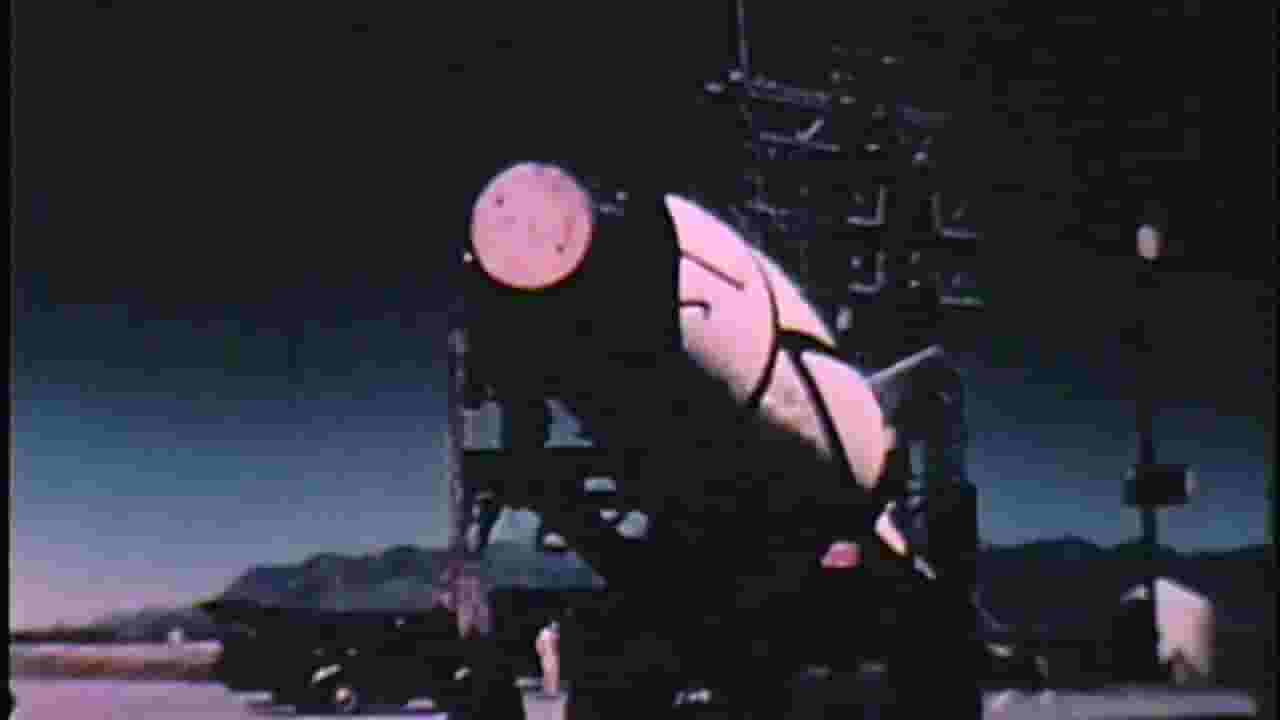
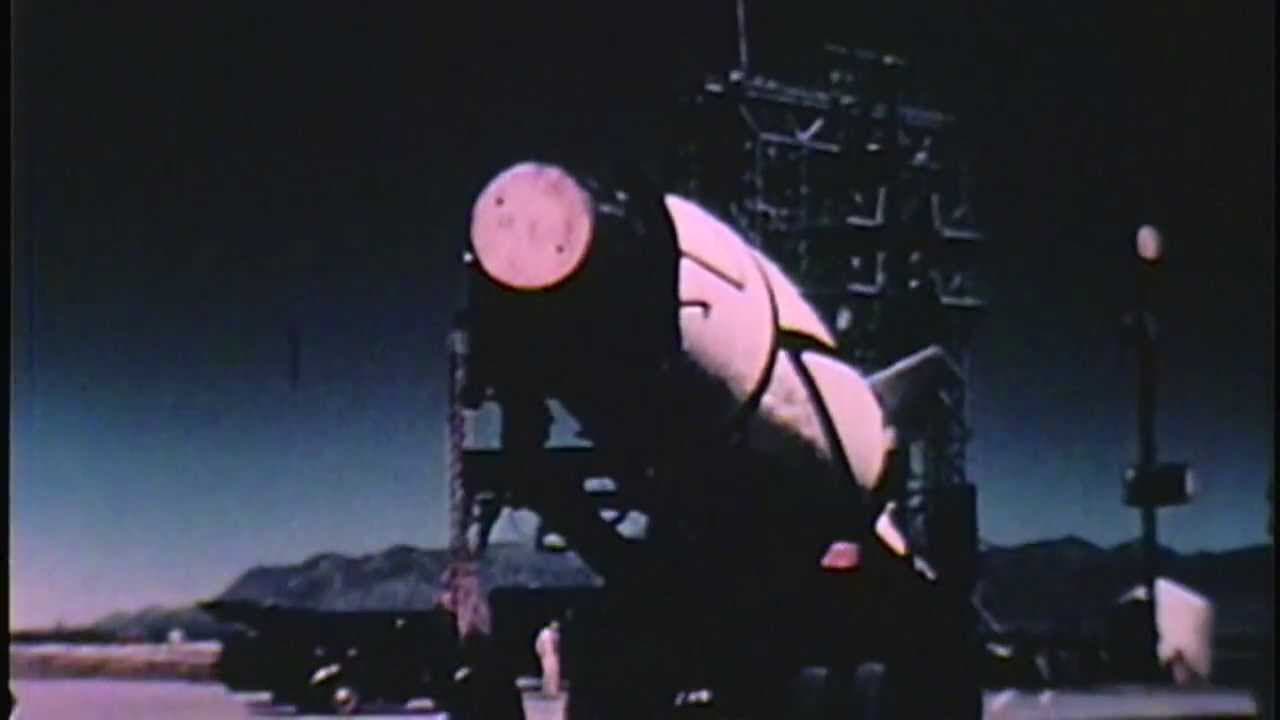
The year was 1946. Just a year after the end of the Second World War, technological innovations spurred by that conflict had accelerated scientific and space exploration. The Cold War, and the Space Race, were about to begin. American researchers, using captured Nazi V-2 rockets transported to the U.S., were exploring the science of the outer reaches of the atmosphere and space. APL scientists played integral roles on those research teams in White Sands, New Mexico, which sent V-2 rockets some 65 miles above the Earth. Two members of the Lab's high altitude research program -- J. Allen Hynek and Clyde Holliday -- realized that a camera would be able to take scientifically valuable -- and remarkable -- images from that altitude. Holliday modified a 35mm De Vry movie camera to withstand the shock of the launch and landing impact. He designed a special film magazine with one-inch thick steel walls to protect the film; instead of the camera's simple spring motor, he used a 24-volt electric motor taken from the computer of a B-29 machine gun director system. The entire camera was then placed into a duraluminum box three-eighths of an inch thick, with only the lens protruding. The film was Eastman Super XX exposed at four frames per second; the aperture was set at 5.6 and the shutter speed was 1/50 of a second. On October 24, 1946, a captured V-2 carrying Holliday's special camera roared into the New Mexico sky. Just a few minutes later, its fuel expended, the rocket fell to Earth, sending the camera plummeting freely downward at some 500 feet per second. It took until the next day to recover the camera. The lens and batteries were smashed off, but the armored film magazine inside survived. The grainy black-and-white images within -- the first ever taken of our planet from space -- became a global phenomenon. Never before had human beings seen their world from this height. The curvature of the Earth was clearly visible, as were thick clouds over the American west. Writing in National Geographic about his images, Holliday said: "Results of these tests now are pointing to a time when cameras may be mounted on guided missiles for scouting enemy territory in war, mapping inaccessible regions of the earth in peacetime, and even photographing cloud formations, storm fronts, and overcast areas over an entire continent in a few hours." The following years would bring many more impressive images and film; APL even produced a pamphlet in 1948 called "So Columbus Was Right!" that contained clips from more than 1,000 publications that covered the "Earth picture." Turning a weapon of terror into a vehicle for research and exploration, Holliday and Hynek showed how science could be not only rewarding, but also inspiring.
About YouTube Real-Time View Count
With SocialCounts.org’s view counter, track your YouTube video’s live view count and YouTube likes count in real time with fast, reliable updates.
Watch every YouTube video live view count rise with our real-time YouTube views tracker—built for accuracy and minimal delay.
Follow YouTube real time views as they happen, using our dedicated view counter for YouTube videos.
Get up-to-date live view count on YouTube and see real-time growth with SocialCounts.org’s smart tracking tools.
Embed Widget
Parameters:
fullscreen=true- Fullscreen countergraph=true- Live graph chartcounter=0/1/2- Select counter (0=likes, 1=views, 2=comments)
URL
Click to copy the embed URL to your clipboard