

1,727
likes
88
comments
daily view 0
monthly view 0
Live Analytics
Comments 0
Attention Deficit Hyperactivity Disorder (ADHD), Animation Analytics Table
Income Estimates for Attention Deficit Hyperactivity Disorder (ADHD), Animation
Based on this YouTube video's total view count of 131K views and industry-standard rates, the estimated total earning is $92 - $262 through ad revenue. Historical data is not yet available to calculate daily, weekly, or monthly averages.
About Attention Deficit Hyperactivity Disorder (ADHD), Animation
Explore Attention Deficit Hyperactivity Disorder (ADHD), Animation with 131,215 views, 1,727 likes, and 88 comments. Experience the impact of this video content that has captured audience attention.
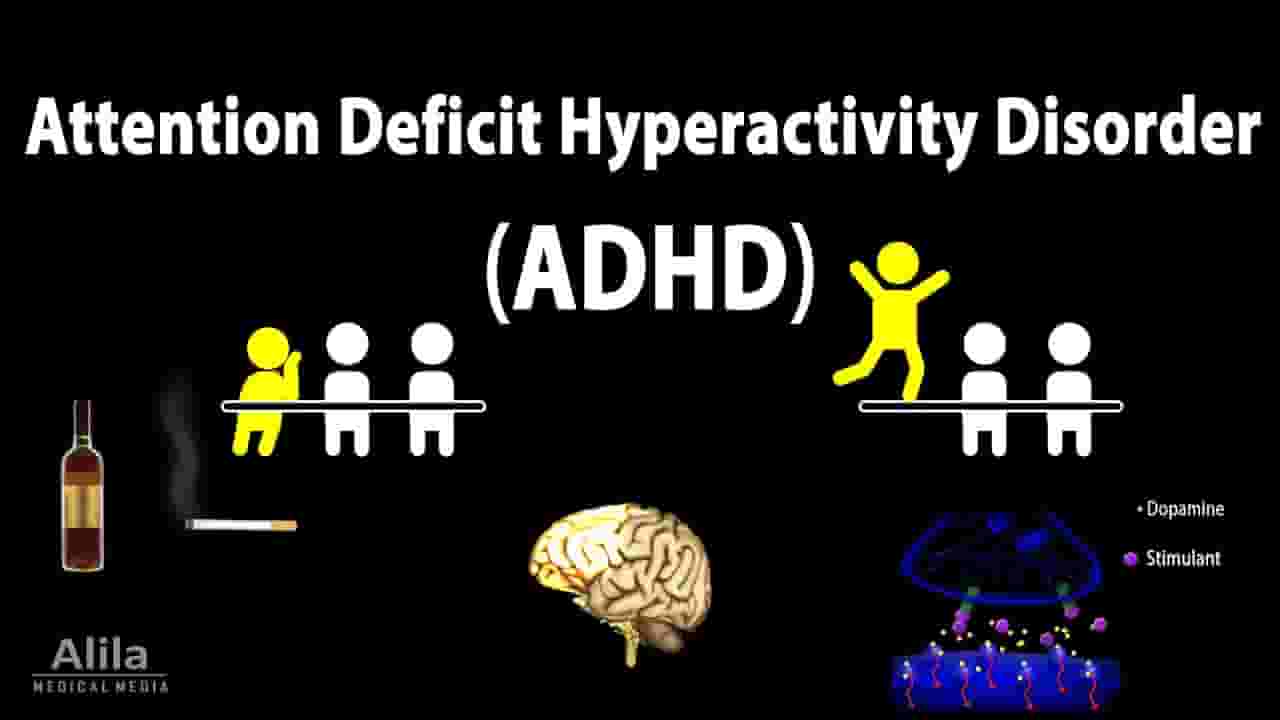
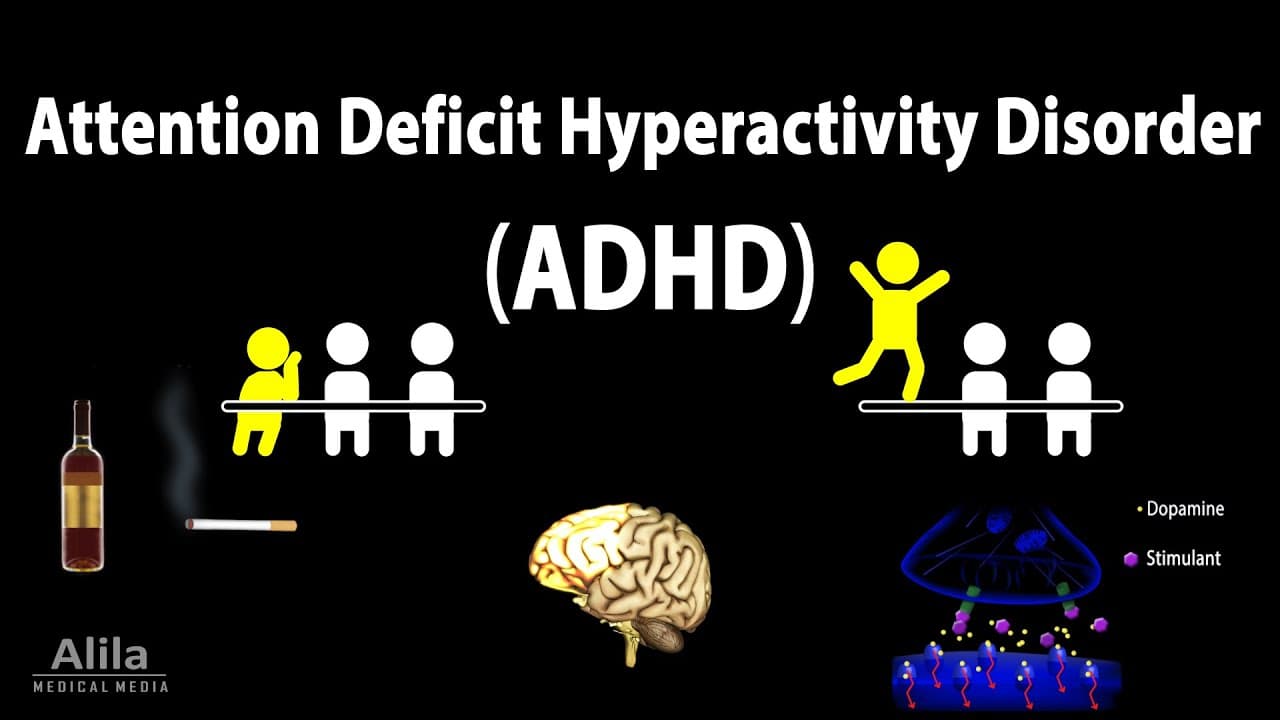
ADHD: Symptoms, Criteria for Diagnosis, Causes, Risk factors and Treatments. Purchase a license to download a non-watermarked version of this video on AlilaMedicalMedia(dot)com Check out our new Alila Academy - AlilaAcademy(dot)com - complete video courses with quizzes, PDFs, and downloadable images. ©Alila Medical Media. All rights reserved. Voice by : Marty Henne All images/videos by Alila Medical Media are for information purposes ONLY and are NOT intended to replace professional medical advice, diagnosis or treatment. Attention deficit hyperactivity disorder, ADHD, is a common psychiatric condition affecting children's ability to function. As the name suggests, ADHD is characterized by difficulty paying attention and hyperactive or impulsive behavior. There are 3 subtypes of ADHD: - Predominantly inattentive, - Predominantly hyperactive or impulsive, - and the combined type with a mix of inattentive and hyperactive/impulsive symptoms. Children with ADHD usually perform poorly at school, have difficulty with social interactions, and are often stigmatized. Some children outgrow ADHD with age, while others continue to have symptoms into adulthood. The diagnosis of ADHD is difficult and controversial. The key is to differentiate between normal developmental behavior and ADHD. Healthy children can SOMETIMES be inattentive, hyperactive or impulsive. It is totally normal for kids to have shorter attention spans and higher activity levels than adults or some of their peers. To be diagnosed with ADHD, symptoms should develop before the age of 12, persist for at least six months, and negatively impact daily activities in more than one environment, such as at school AND at home. Children who have problems at school but not at home, or vice versa, are likely suffering from something else other than ADHD. To be considered as having ADHD symptoms, patients must experience AT LEAST SIX of the following: For inattention: - Failure to pay attention to details, making careless mistakes - Having trouble staying focused in tasks or play - Not finishing tasks - Avoiding tasks that require mental effort - Not listening when spoken to directly - Having difficulty organizing things - Losing things - Being forgetful - and being easily distracted For hyperactivity/impulsivity: - Fidgeting - Being in constant motion - Having difficulty staying seated when required - Climbing on things in inappropriate situations - Having trouble playing or doing things quietly - Talking loudly and too much - Talking out of turn - Having difficulty waiting for their turn - Interrupting or intruding on other people’s activities Diagnosis is clinical, based on patient history, via interviews with parents, relatives and teachers. Physical exams are performed to rule out other conditions that may produce similar symptoms. ADHD has a significant genetic component. A child has twice the risk of developing ADHD if his or her sibling has it. The condition is associated with dysregulation of several neurotransmitters, including decreased dopaminergic receptors in the frontal lobe. Environmental risk factors include exposure to toxins, viral infections, nutrition deficiency, premature birth, and maternal drug use, alcohol use, or smoking during pregnancy. Treatments can help improve symptoms and reduce the chance that symptoms persist into adulthood. Treatments include medications - stimulants and non-stimulants, and psychosocial therapies. Stimulants are effective in about two thirds of patients and are considered first line therapy for ADHD. Stimulants include amphetamines and methylphenidates. They block the reuptake of dopamine, thereby prolonging dopamine stimulation. Amphetamines also directly release dopamine. Non-stimulants include antidepressants and alpha agonists. They are less effective and are usually prescribed only for patients who cannot tolerate stimulants. All medications have significant side effects that must be closely monitored. It may take some time to determine the right medication for each patient and the lowest effective dose. Psychosocial therapies include psycho-education for the family and psychotherapy for the patient. They can be effective when used in combination with medications.
About YouTube Real-Time View Count
With SocialCounts.org’s view counter, track your YouTube video’s live view count and YouTube likes count in real time with fast, reliable updates.
Watch every YouTube video live view count rise with our real-time YouTube views tracker—built for accuracy and minimal delay.
Follow YouTube real time views as they happen, using our dedicated view counter for YouTube videos.
Get up-to-date live view count on YouTube and see real-time growth with SocialCounts.org’s smart tracking tools.
Embed Widget
Parameters:
fullscreen=true- Fullscreen countergraph=true- Live graph chartcounter=0/1/2- Select counter (0=likes, 1=views, 2=comments)
URL
Click to copy the embed URL to your clipboard