

Live Analytics
Comments 0
Anaphylaxis, Animation Analytics Table
Income Estimates for Anaphylaxis, Animation
Based on this YouTube video's total view count of 281K views and industry-standard rates, the estimated total earning is $197 - $564 through ad revenue. Historical data is not yet available to calculate daily, weekly, or monthly averages.
About Anaphylaxis, Animation
Explore Anaphylaxis, Animation with 281,808 views, 3,646 likes, and 135 comments. Experience the impact of this video content that has captured audience attention.
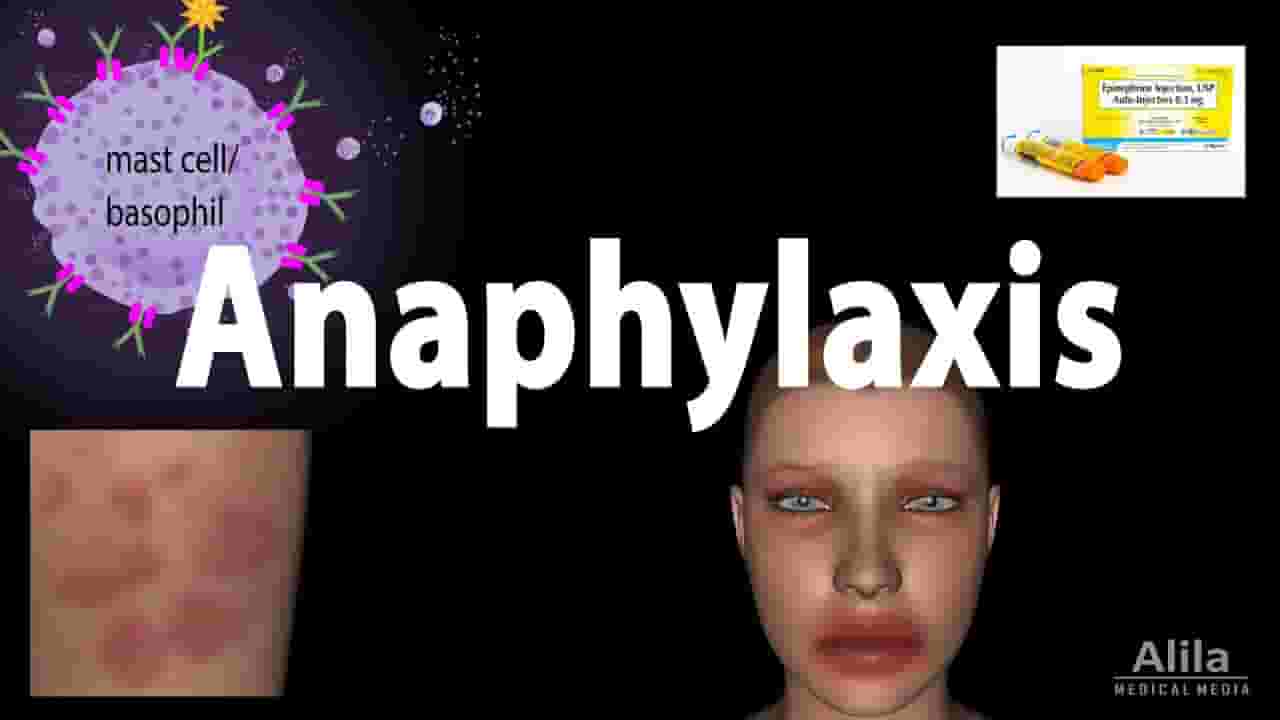
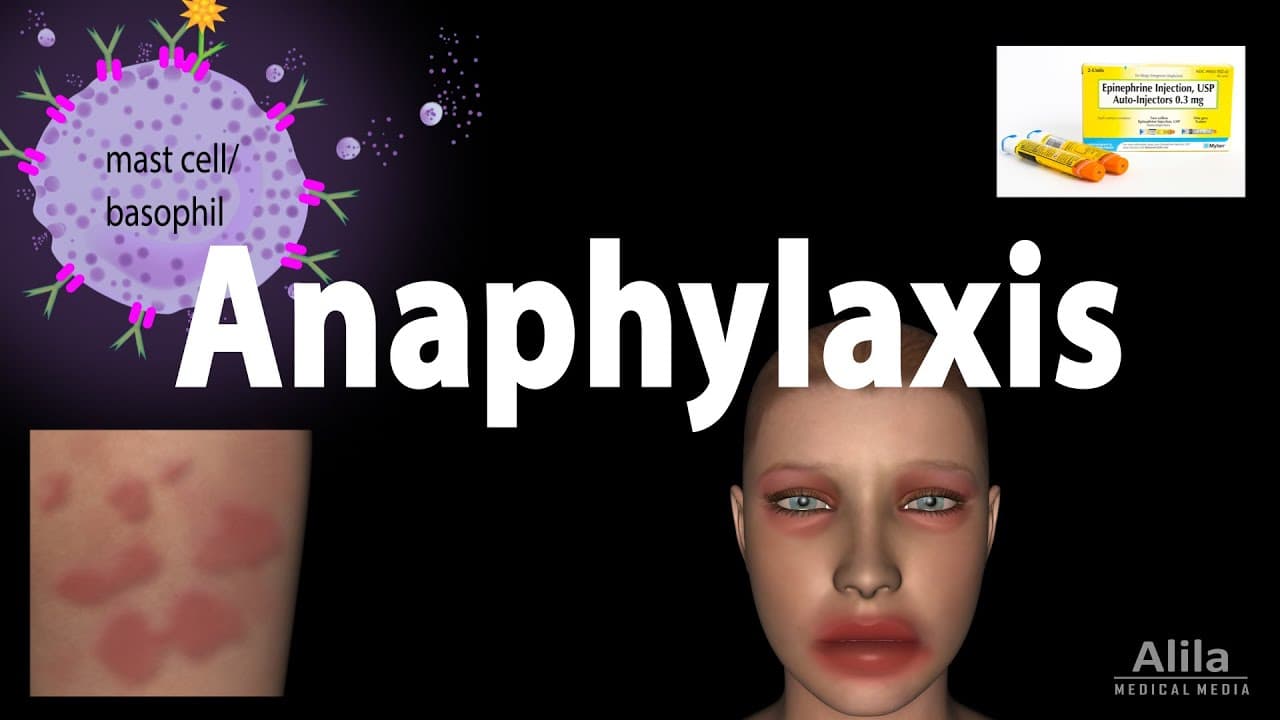
(USMLE topics) Anaphylaxis (incl. anaphylactic shock): etiology, pathophysiology, symptoms and treatment. Anaphylaxis versus anaphylactoid reactions. Purchase a license to download a non-watermarked version of this video on AlilaMedicalMedia(dot)com Check out our new Alila Academy - AlilaAcademy(dot)com - complete video courses with quizzes, PDFs, and downloadable images. All images/videos by Alila Medical Media are for information purposes ONLY and are NOT intended to replace professional medical advice, diagnosis or treatment. Always seek the advice of a qualified healthcare provider with any questions you may have regarding a medical condition. ©Alila Medical Media. All rights reserved. Voice by : Marty Henne Anaphylaxis is a sudden, potentially life-threatening allergic reaction that involves multiple system dysfunction. It is caused by a massive release of inflammatory mediators from mast cells and basophils into the circulation. These mediators are normally responsible for the body’s protective response against infections or injuries. They dilate blood vessels, increase their permeability, allowing immune cells to seep through to arrive at the site of infection. But when released systemically, they can lead to extensive vasodilation and smooth muscle spasms, causing blood pressure to drop and airways to narrow to a dangerous level. Common triggers include certain medications, foods, insect stings, animal venoms, and latex. Symptoms typically begin within minutes to one hour of exposure, and may include widespread itching, hives, swelling, wheezing and difficulty breathing, nausea, abdominal cramps, diarrhea, dizziness, a fast heart rate and low blood pressure. Shock may develop within minutes, patients may have seizures or faint. There is also a late phase response, usually less severe, within several hours to one day. Classically, anaphylaxis is defined as a type I hypersensitivity, which involves immunoglobulin E, IgE, and only occurs in presensitized individuals. Patients must have had a previous contact with the allergen, which produced no symptoms, but during which the body had produced IgE antibodies against the allergen. IgE molecules bind to their receptors on the surface of mast cells and basophils. Upon reexposure to the same allergen, or sometimes a similar allergen, the allergen binds to adjacent IgE molecules, bringing their receptors together, triggering a signaling cascade that induces the release of inflammatory chemicals. There are also anaphylactoid reactions which are clinically indistinguishable from anaphylaxis but do not involve IgE and do not require prior sensitization. They occur via direct stimulation of mast cells or basophils, in the absence of immunoglobulins, and have different triggers. These reactions are now classified as “non-immunologic anaphylaxis”, as they are equally serious and must be treated the same way, with the same urgency. Immediate injection of epinephrine is the cornerstone treatment for anaphylaxis. Epinephrine increases blood flow, widens airways and may help relieve all symptoms, at least temporarily. Other treatments may include antihistamines, oxygen therapy or intubation, intravenous fluids, beta-agonists, or vasopressors. The best way to prevent anaphylaxis is to avoid the triggers. People with serious reactions to unavoidable allergens may benefit from immunotherapy. In immunotherapy, patients are injected weekly with gradually increasing doses of the allergen, starting with a tiny amount. This process desensitizes the immune system, reducing reactions to the allergen, but may take several years to complete.
About YouTube Real-Time View Count
With SocialCounts.org’s view counter, track your YouTube video’s live view count and YouTube likes count in real time with fast, reliable updates.
Watch every YouTube video live view count rise with our real-time YouTube views tracker—built for accuracy and minimal delay.
Follow YouTube real time views as they happen, using our dedicated view counter for YouTube videos.
Get up-to-date live view count on YouTube and see real-time growth with SocialCounts.org’s smart tracking tools.
Embed Widget
Parameters:
fullscreen=true- Fullscreen countergraph=true- Live graph chartcounter=0/1/2- Select counter (0=likes, 1=views, 2=comments)
URL
Click to copy the embed URL to your clipboard