

169
likes
9
comments
daily view 0
monthly view 0
Live Analytics
Comments 0
How do computers elect leaders? | Consensus and Leader Election Explained Analytics Table
Income Estimates for How do computers elect leaders? | Consensus and Leader Election Explained
Based on this YouTube video's total view count of 9.83K views and industry-standard rates, the estimated total earning is $7 - $20 through ad revenue. Historical data is not yet available to calculate daily, weekly, or monthly averages.
About How do computers elect leaders? | Consensus and Leader Election Explained
Explore How do computers elect leaders? | Consensus and Leader Election Explained with 9,838 views, 169 likes, and 9 comments. Experience the impact of this video content that has captured audience attention.
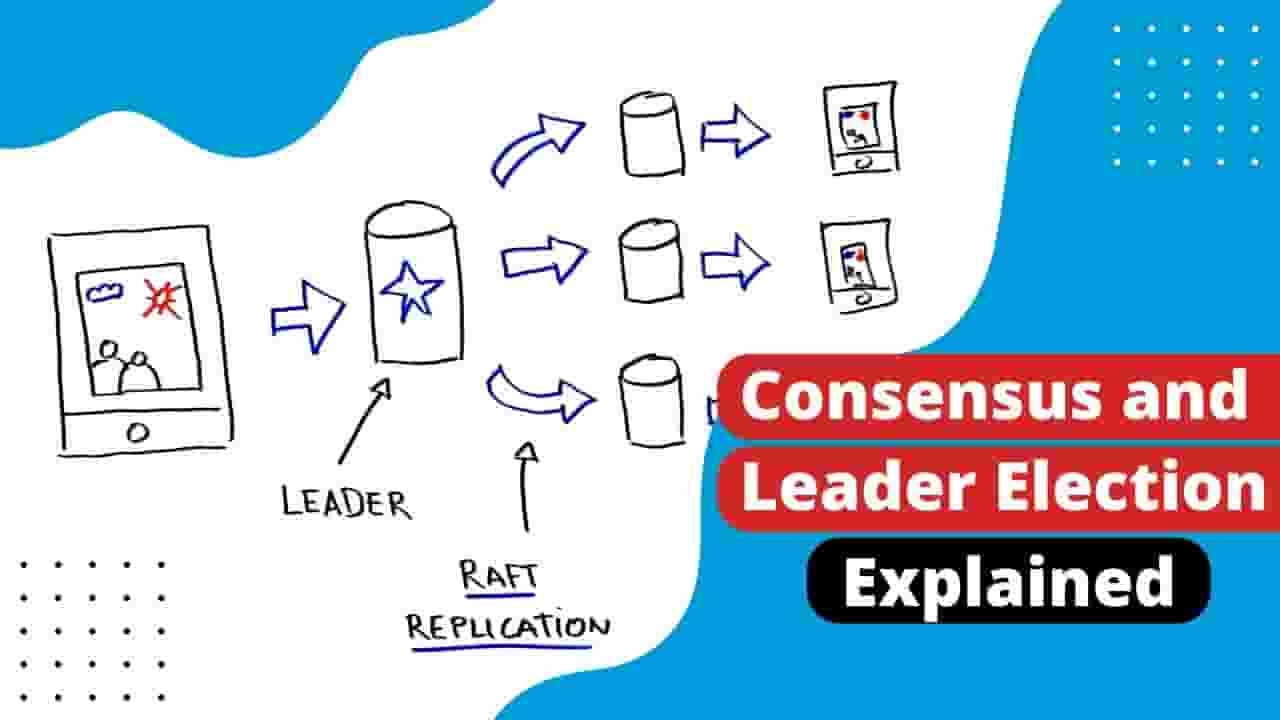
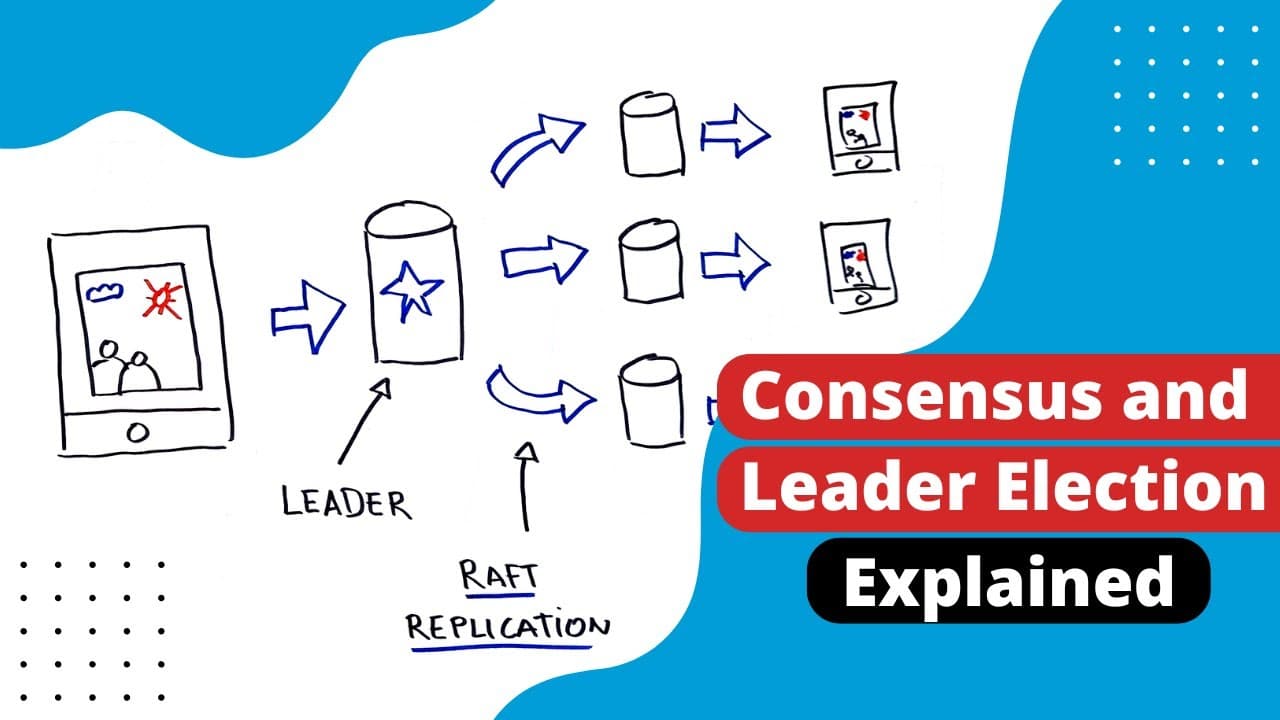
How do computer elect leaders? In this video Consensus and Leader Election in Distributed Systems is explained. To make distributed systems reliable and efficient, sometimes there's the need for one host to take the leader role and make all the decisions. This is how highly reliable systems like Kafka work. This video explains easily how RAFT algorithm works, Consensus and Leader Election and introduces other follow up topics like the CALM theorem. This video is a continuation of the Distributed systems concepts series. #distributedsystems #softwareengineering ----------------------- 📚 Exclusive 40% discount on Code Crafters, use this link: https://app.codecrafters.io/join?via=DevStory ----------------------- ----------------------- Resources: 🔖 FREE: - Leader Election vs Consensus: https://ocheselandrei.github.io/2022/06/01/leader-election-vs-consensus.html - RAFT Algorithm (Wikipedia): https://en.wikipedia.org/wiki/Raft_(algorithm) - RAFT Algorithm (Secret Live of Data): http://thesecretlivesofdata.com/raft/ - RAFT Algorithm (Decentralized Thoughts): https://decentralizedthoughts.github.io/2020-12-12-raft-liveness-full-omission/ https://towardsdatascience.com/raft-algorithm-explained-a7c856529f40 - RAFT Algorithm (My distributed systems): https://www.mydistributed.systems/2021/04/raft.html - CALM Theorem: Calm Theorem: https://blog.acolyer.org/2019/03/06/keeping-calm-when-distributed-consistency-is-easy/ 📚 Paid (personal recommendations - not sponsored, but I can get some commission if you buy them through the links below, at no additional cost to you): - System Design Interview: https://amzn.to/3M6WbaI - Understanding Distributed Systems: https://amzn.to/3VKjyKj - Designing Distributed Systems - Patterns and Paradigms for Scalable, Reliable Services: https://amzn.to/3M5fMb3 ----------------------- 🤓 If you are preparing for a technical interview, don't miss my playlist: https://devstory.page.link/technical-interview-prep ----------------------- Remember you can reach me here: -⌨️ Github: https://github.com/cvielma ----------------------- In A Dev' Story I explain Software Development related topics from my point of view. I'll be explaining different topics in "Chapters" according to the stage of the story I think they belong. Hope is as entertaining for you as it's fun for me to create these videos Thanks again for watching! Feel free to like, comment, share and subscribe, it means a lot to me and helps the channel grow.
About YouTube Real-Time View Count
With SocialCounts.org’s view counter, track your YouTube video’s live view count and YouTube likes count in real time with fast, reliable updates.
Watch every YouTube video live view count rise with our real-time YouTube views tracker—built for accuracy and minimal delay.
Follow YouTube real time views as they happen, using our dedicated view counter for YouTube videos.
Get up-to-date live view count on YouTube and see real-time growth with SocialCounts.org’s smart tracking tools.
Embed Widget
Parameters:
fullscreen=true- Fullscreen countergraph=true- Live graph chartcounter=0/1/2- Select counter (0=likes, 1=views, 2=comments)
URL
Click to copy the embed URL to your clipboard