

314
likes
48
comments
daily view 0
monthly view 0
Live Analytics
Comments 0
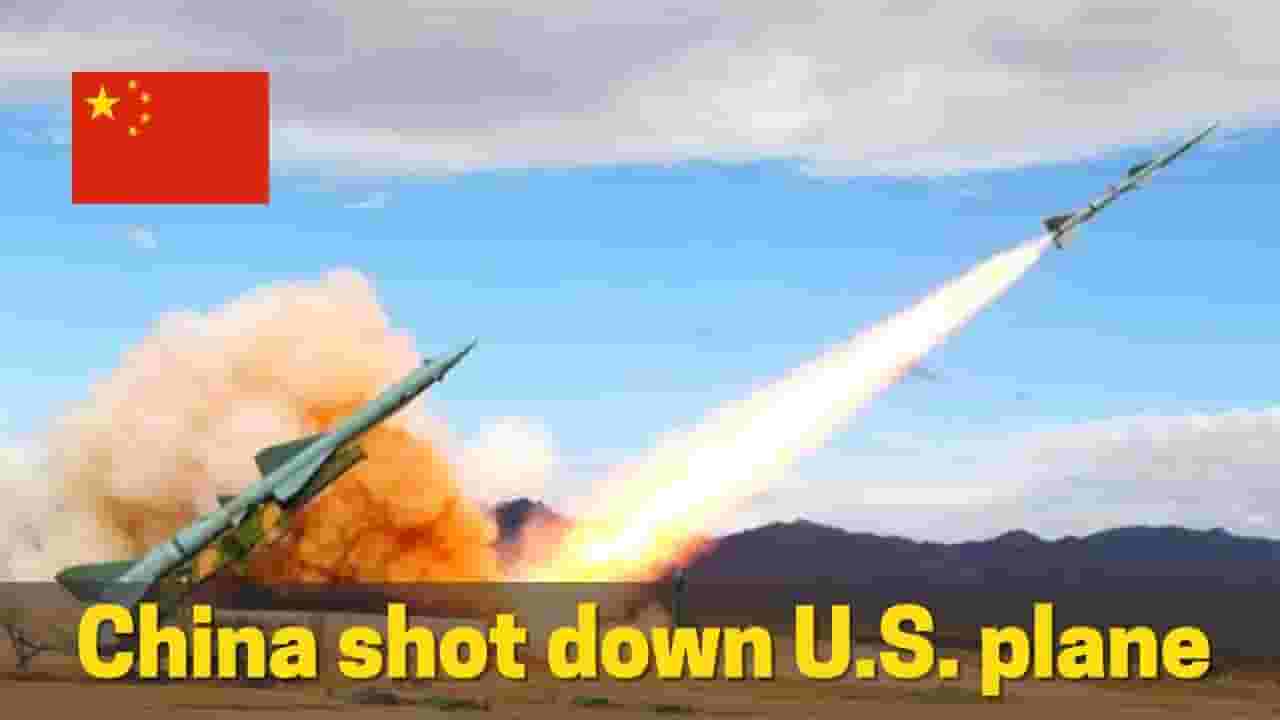
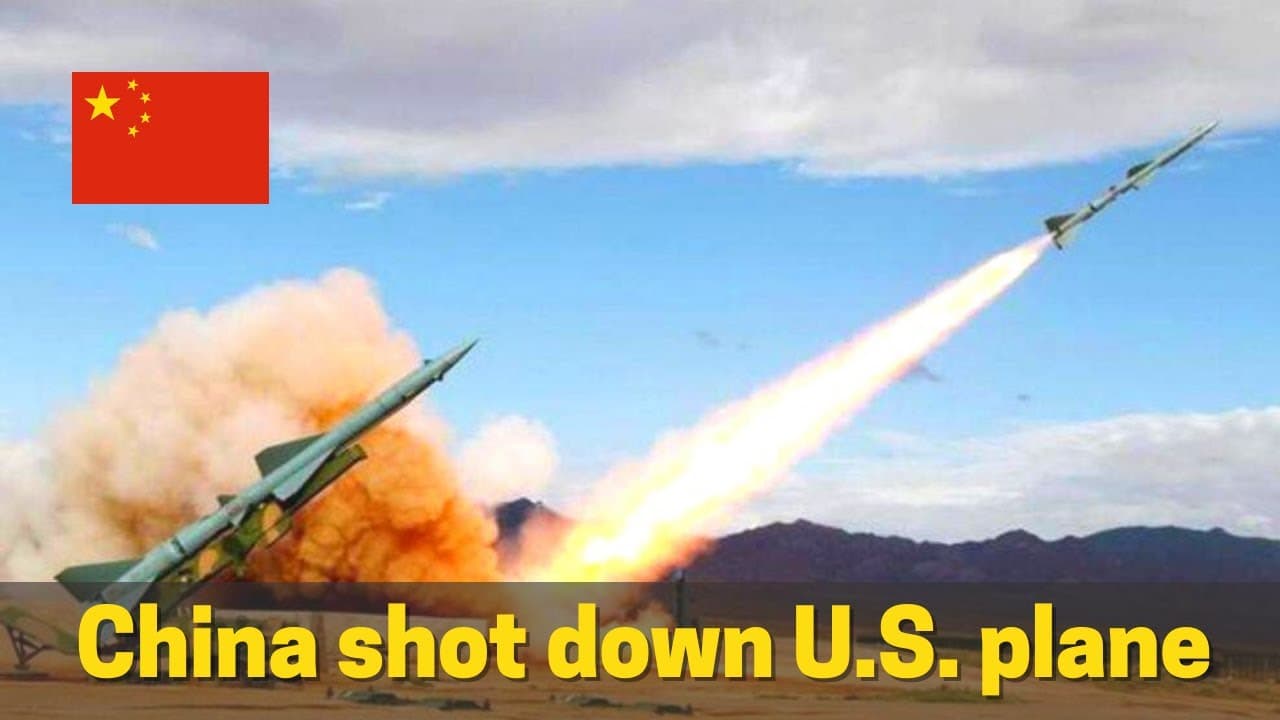
China shot down US spy plane, a 13 year battle between Taiwan U-2 and China SA-2 HQ-2 missile Analytics Table
Income Estimates for China shot down US spy plane, a 13 year battle between Taiwan U-2 and China SA-2 HQ-2 missile
Based on this YouTube video's total view count of 11.3K views and industry-standard rates, the estimated total earning is $8 - $23 through ad revenue. Historical data is not yet available to calculate daily, weekly, or monthly averages.
About China shot down US spy plane, a 13 year battle between Taiwan U-2 and China SA-2 HQ-2 missile
Explore China shot down US spy plane, a 13 year battle between Taiwan U-2 and China SA-2 HQ-2 missile with 11,384 views, 314 likes, and 48 comments. Experience the impact of this video content that has captured audience attention.
In 1960s, the 35th Squadron of Taiwanese Air Force became an operator of U.S. U-2 spy plane, targeting mainland China. This started a battle between U-2 and SA-2/HQ-2 anti-aircraft missile. And five U-2s were shot down in this 13-year battle. U-2 can reach over 21,000m, Soviet made SA-2 missile and Chinese variant HQ-2 are the only weapon in Mainland China can defeat it. Only a few SA-2 battalions are available to project strategical sites, like nuclear facility. However one of the U-2 Taiwanese pilots, Wang Xijue is very likely a spy. In 1990s a few reports indicated he leaked exact U-2 mission plan to Mainland, making interception much easier. Wang flew to Mainland in 1986 in a 747 as the captain. Knowing exactly where U-2 planned to fly to, Chinese missile units started to track down and shoot down U-2 aircrafts. And electronic warfare quickly broke out between the two sides. Both sides upgraded their ECW methods multiple times. From 1961 to 1974, five Taiwanese U-2s were shot down, one crashed in mission. 4 pilot died in action. 2 pilots captured, released in 1982, they learnt in integrations that there is a mole amongst the pilots. A photo taken by one of the pilots, the SA-2/HQ-2 missile liquid booster creating a black trail in the sky. The SA-2 (Russian: S-75; Chinese variant HQ-2) is a mid to high altitude air defence missile with command guidance. Its first score is shooting down a Taiwanese RB-57D spy plane, triggering CIA to offer Taiwan the U-2 spy plane. SA-2 shot down hundreds of U.S. aircrafts during Vietnam War, including the gigantic B-52 bombers. U.S. managed to suppress SA-2 efficiency to around 5% kill ratio, by new bombing tactics and electric warfare. In China, the battle is a bit different, it is more a cat and mouse game between limited SA-2 units and a few U-2 planes. At one stage CIA modified U-2 to have range-distortion ECW equipment, later Chinese SA-2 unit developed countermeasures. Beijing once held an exhibition of 4 U-2 wreckage to the public, thousands of residents visited the U.S. planes. At the time it is the most important achievement of Chinese Air Defense troops, however a book of General Lin Hu, former Air Force commander indicates that most U.S. or Taiwan spy plane sorties managed to evade interceptions. Since U-2s were shot down, U.S. military started to fly SR-71 spy plane and D21 drone over China with some success. Chinese built HQ-2 missile systems went through multiple upgrades, and some of them still in service today. However, all key areas in China are now covered by newer systems, like HQ-9 missiles. After China and U.S. became allies at the end of 1970s, HQ-2 changed its target to Soviet fighters and bombers. On Taiwanese side, shortly after Nixon's visit to Beijing, all spy flights over mainland ceased, and the Black Cat Squadron flying U-2 was officially disbanded in the quarter of 1974. Interestingly U.S. immediately started intelligence cooperation with China to spy on Soviet Union. It is very possible U.S. spy planes used Chinese space to target Soviet Union starting through out 1980s. Today some HQ-2 missiles are exhibited in various locations in China, kept in great condition. Around 2000, most HQ-2 systems still in service received digital technology upgrade, and switch to non-toxic fuel. Changing to non-toxic fuel reduce workload greatly, and the new fuel can be stored in the booster for much longer period. HQ-2 systems still in service also adopt new radars, and integrated with Chinese Air Defense data network. Amazingly HQ-2 has been turned into DF-7(M-7) ballistic missiles, exported to middle east countries. DF-7 missile has a much bigger forward half to carry more solid fuel, sending a 500 kg warhead to 200 km away. In 2010s, the brand new HQ-22 missile system start to replace HQ-2 in service, greatly enhancing defense capability. HQ-22 is a low-end long-range anti-aircraft system, cheaper than HQ-9, makes it an ideal replacement of HQ-2. Today U-2 wreckage has been moved from outdoor area of Military Museum of the Chinese People's Revolution to a huge indoor display facility in the same museum. The facility now hosts many valuable military artifacts. Photo and video: Wiki common, Weibo Changkongliangjian, Wechat Zuoyoushipin, Central TV channel 1 site.
About YouTube Real-Time View Count
With SocialCounts.org’s view counter, track your YouTube video’s live view count and YouTube likes count in real time with fast, reliable updates.
Watch every YouTube video live view count rise with our real-time YouTube views tracker—built for accuracy and minimal delay.
Follow YouTube real time views as they happen, using our dedicated view counter for YouTube videos.
Get up-to-date live view count on YouTube and see real-time growth with SocialCounts.org’s smart tracking tools.
Embed Widget
Parameters:
fullscreen=true- Fullscreen countergraph=true- Live graph chartcounter=0/1/2- Select counter (0=likes, 1=views, 2=comments)
URL
Click to copy the embed URL to your clipboard