

72,894
likes
2,576
comments
daily view 0
monthly view 0
Live Analytics
Comments 0
Innov Gnawa - Toura Toura Analytics Table
Income Estimates for Innov Gnawa - Toura Toura
Based on this YouTube video's total view count of 9.42M views and industry-standard rates, the estimated total earning is $6.59K - $18.8K through ad revenue. Historical data is not yet available to calculate daily, weekly, or monthly averages.
About Innov Gnawa - Toura Toura
Explore Innov Gnawa - Toura Toura with 9,420,828 views, 72,894 likes, and 2,576 comments. Experience the impact of this video content that has captured audience attention.
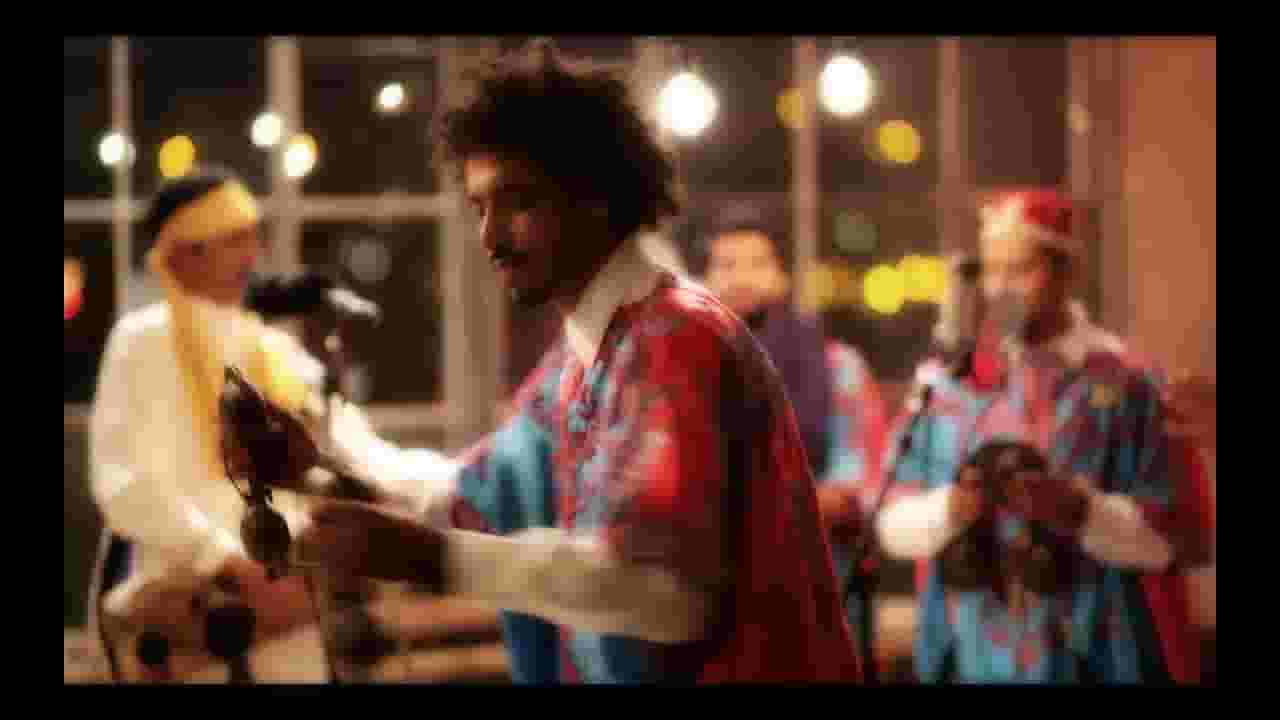
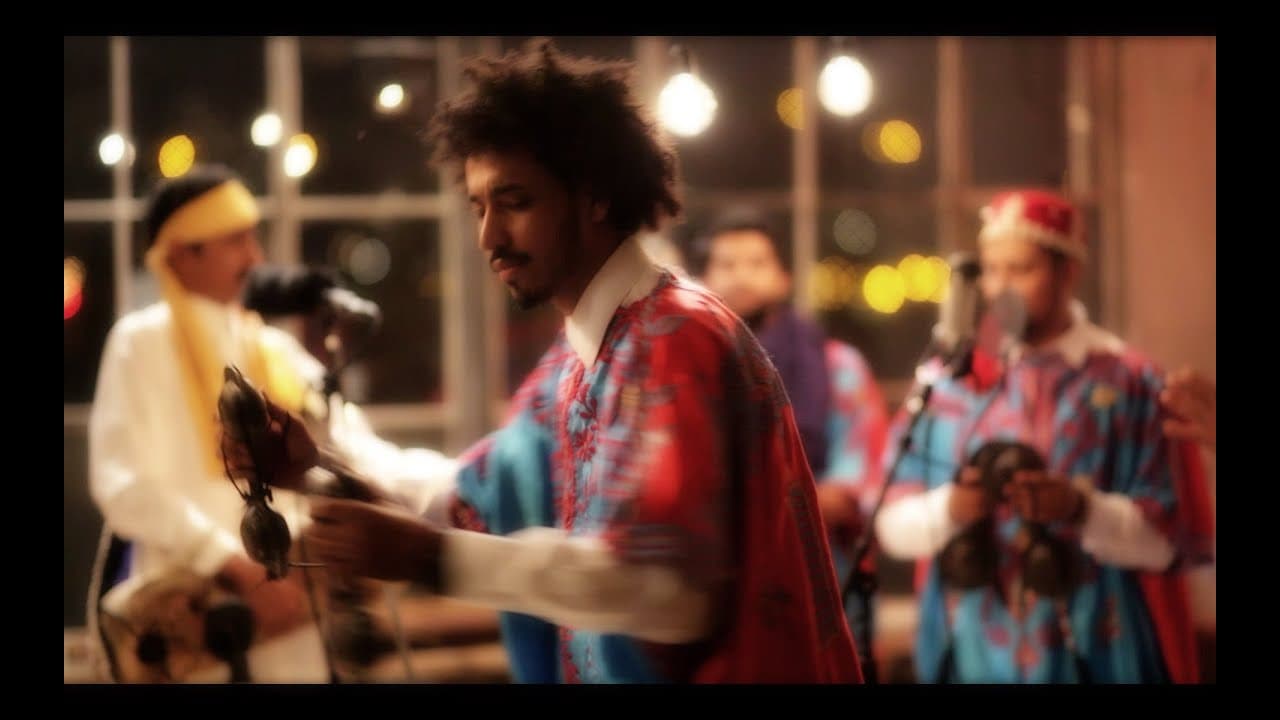
If you like this video, consider supporting the musicians and Remix ⟷ Culture by purchasing the album (digital download) and/or a limited edition 12" vinyl: https://remixculture.bandcamp.com/album/innov-gnawa We normally like to include translation subtitles. But in this case, Toura Toura is untranslatable. It is sung in “Bambara" which, in Moroccan Gnawa culture, has evolved to be a mixture of several sub-Saharan African languages, but is presently spoken or understood by no-one. In present-day Mali, there are about 15 million people who speak “Bambara”, but they speak a very different Bambara than the one that we find in Moroccan Gnawa songs. In the early days of Gnawa, i.e. the early days of slavery in Morocco, slaves would find ways to sing songs in their native language in locations where they might be heard by a relative or loved one, from whom they’ve been separated, in hopes of reuniting with them. The Amazigh (indigenous) and Arab populations of Morocco didn’t understand these languages. The Amazigh word for “gibberish” or “unintelligible” is “agnaw” (singular) “gnawa” (plural). This is the commonly accepted story of how the term first came in use. Over time, these different ‘unintelligible’ songs fused more and more into one shared history - one of forced displacement and spiritual yearning. There came a time when the song lyrics became completely unintelligible to the Gnawa musicians who inherited them via the oral tradition. That mostly unintelligible hodgepodge of a language is what Gnawa refer to as “Bambara”. For decades, possibly centuries, Gnawa musicians sang in Bambara, understanding less and less of the literal meaning of the words. But as Gnawa musicians became more and more integrated into a Moroccan society which identified more and more as Arab and Muslim, they evolved more and more into a Muslim (Sufi) order. Eventually (in the 20th century), Gnawa musicians began to replace more and more of the song lyrics with Arabic / Sufi devotional lyrics. Having said that, we can provide a glimpse into the spirit of Toura Toura, in addition to what is already transmitted simply by listening to the music itself. All Gnawa music has a role to fulfill in the healing ritual called the “Lila” which means “Night” in Arabic. A “lila” can last for more than 12 hours, and is usually conducted in intimate gatherings, for the purpose of creating a safe place for people to get into a trance and be healed by the music. A woman serves as a presenter (or M.C.) - she is called the “Mqedma” - which means "she who presents." A man serves as spiritual guide (through music) - he is called the “m3allem” or “master” and sings lead vocals while playing the guembri (or sintir, or hajhouj, or gogo, depending on where you are). Several other men play the rhythm section (with qraqeb) and sing the ‘responses’. The lila usually follows the following format: 1) DbiHa (sacrificing a lamb) - like in the Muslim “3id”, this is a commemoration of the biblical story when Abraham was tested by God to sacrifice his own son. 2) Al 3ada (the habit) - an opening that consecrates the space - usually starting with a drum procession and some acrobatics. This welcomes the spirits into the space. 3) Ouled Bambara (the sons of Bambara) - before diving into the world of spirits, there is a profane section of the evening, to loosen things up. Today, this is where you’ll find most of the songs sung in Bambara. Toura Toura falls in this section - so it is light-hearted, meant to be a warm-up song, to get you in a joyful mood before the more intense world of trance comes around. 4) The 7 colors (each corresponding to a different spirit) The “Mqedma” signals the beginning of each color by coming out in a different dress (matching the spirit color) - the musicians play several songs (sometimes hours) for each of the colors: • White (truth, belief, happiness) • Black (mystery, paradoxical power - secrecy / protection) • Light Blue (skies, calming, elevation) • Red (fire, passion, love) • Dark blue (the sea, depth, fluidity) • Green (nature’s healing power, rejuvenation) • Saffron (feminine energy, fertility) - - - - - - - - - - - - - - - - For more on the Gnawa lila, check out these articles: • http://www.sonispheric.net/the_gnawa_and_their_lila.htm • http://www.lilagnaoua.com/En/history.html For a more in-depth explanation of the gnawa history and context, check out this great article: • http://www.afropop.org/9305/feature-gnawa-music-of-morocco/
About YouTube Real-Time View Count
With SocialCounts.org’s view counter, track your YouTube video’s live view count and YouTube likes count in real time with fast, reliable updates.
Watch every YouTube video live view count rise with our real-time YouTube views tracker—built for accuracy and minimal delay.
Follow YouTube real time views as they happen, using our dedicated view counter for YouTube videos.
Get up-to-date live view count on YouTube and see real-time growth with SocialCounts.org’s smart tracking tools.
Embed Widget
Parameters:
fullscreen=true- Fullscreen countergraph=true- Live graph chartcounter=0/1/2- Select counter (0=likes, 1=views, 2=comments)
URL
Click to copy the embed URL to your clipboard