

16,913
likes
348
comments
daily view 0
monthly view 0
Live Analytics
Comments 0
What is Academic Writing? 7 Features of Academic Writing Analytics Table
Income Estimates for What is Academic Writing? 7 Features of Academic Writing
Based on this YouTube video's total view count of 947K views and industry-standard rates, the estimated total earning is $663 - $1.89K through ad revenue. Historical data is not yet available to calculate daily, weekly, or monthly averages.
About What is Academic Writing? 7 Features of Academic Writing
Explore What is Academic Writing? 7 Features of Academic Writing with 947,639 views, 16,913 likes, and 348 comments. Experience the impact of this video content that has captured audience attention.
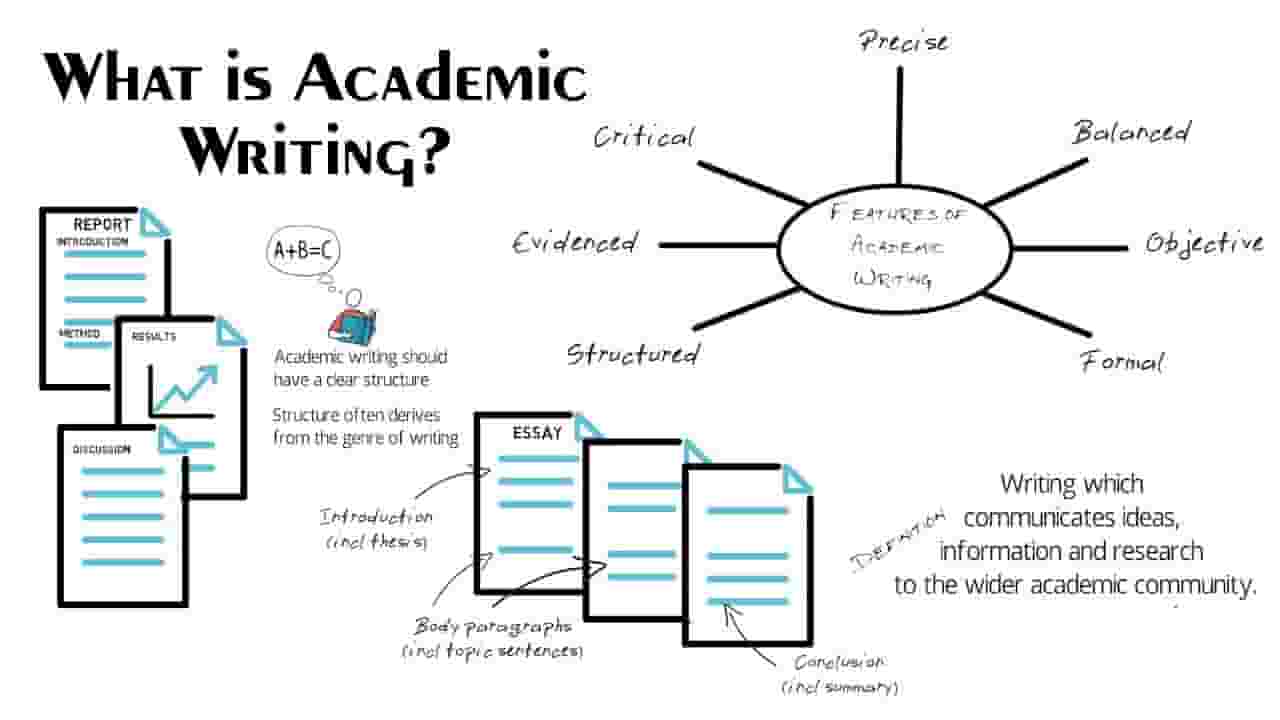
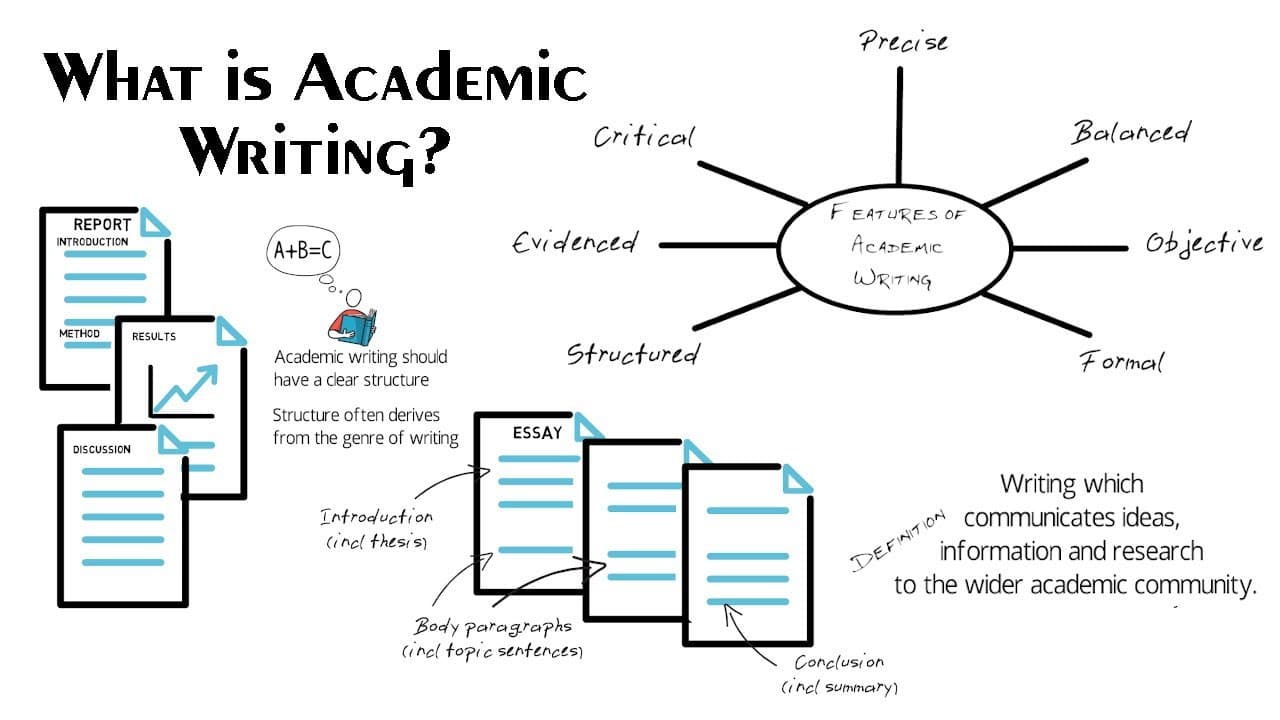
Academic writing is writing which communicates ideas, information and research to the wider academic community. Academic writing should be: structured, evidenced, critical, precise, balanced, objective, and formal. ▬ Contents of this video ▬▬▬▬▬▬▬▬▬▬▬▬▬▬▬▬▬▬▬▬ 00:00 intro 00:22 Definition of academic writing 01:37 Features of academic writing 02:05 (1) Structured 03:53 (2) Evidenced 05:17 (3) Critical 06:06 (4) Precise 06:58 (5) Balanced 07:59 (6) Objective 08:29 (7) Formal 09:26 Summary ▬▬▬▬▬▬▬▬▬▬▬▬▬▬▬▬▬▬▬▬▬▬▬▬▬▬▬▬▬▬▬▬ Video created using VideoScribe software [affiliate link]: https://tidd.ly/37VdIB7 Academic writing can be divided into two types: student academic writing, which is used as a form of assessment at university, as well as at schools as preparation for university study; and expert academic writing, which is writing that is intended for publication in an academic journal or book. Both types of academic writing (student and expert) are expected to adhere to the same standards, which can be difficult for students to master. Academic writing should have a clear structure. The structure will often derive from the genre of writing. For example, a report will have an introduction, a method section, a results section, and a discussion section, while an essay will have an introduction (including a thesis statement), clear body paragraphs with topic sentences, and a conclusion. The writing should be coherent, with logical progression throughout, and cohesive, with the different parts of the writing clearly connected. Careful planning before writing is essential to ensure that the final product will be well structured, with a clear focus and logical progression of ideas. Academic writing should be evidenced, in other words the opinions and arguments should be supported by facts, reasons, statistics, and cited information from experts in the field. Academic writing should be critical, rather than simply descriptive. As an academic writer, you should not simply accept everything you read as fact. You need to analyse and evaluate the information you are writing about, in other words make judgements about it, before you decide whether and how to integrate it into your own writing. Academic writing should be balanced. This means giving consideration to all sides of the issue and avoiding bias, as well as showing the strength of your arguments by using hedges or boosters. Academic writing is objective. In other words, the emphasis is placed on the arguments and information, rather than on the writer. As a result, academic writing tends to use more passive structures, rather than active voice. Finally, academic writing is more formal than everyday writing. It tends to use longer words and more complex sentences, while avoiding contractions and colloquial or informal words or expressions that might be common in spoken English. For more information on this topic, see: https://www.eapfoundation.com/writing/what/ There is a worksheet which goes with this video: https://www.eapfoundation.com/download/worksheets/whatis/EAP-Foundation-What-Is-Ac-Writing.pdf You can also watch the video on Youku: https://v.youku.com/v_show/id_XNTEwNDAyNjkzNg==.html If you like these videos, consider supporting my work on Patreon at: https://www.patreon.com/eapfoundation/. You can get early access to videos as well as additional resources for English for Academic Purposes (EAP). Other useful links: https://www.eapfoundation.com/ (EAPFoundation.com website home page) https://www.linkedin.com/company/eapfoundation (LinkedIn) https://www.facebook.com/eapfoundation (Facebook) The two articles mentioned in the video are available here: https://www.sciencedirect.com/science/article/pii/S1755436520300293 (Dengue fever) https://www.sciencedirect.com/science/article/pii/S1475158520301685 (linguistic bias)
About YouTube Real-Time View Count
With SocialCounts.org’s view counter, track your YouTube video’s live view count and YouTube likes count in real time with fast, reliable updates.
Watch every YouTube video live view count rise with our real-time YouTube views tracker—built for accuracy and minimal delay.
Follow YouTube real time views as they happen, using our dedicated view counter for YouTube videos.
Get up-to-date live view count on YouTube and see real-time growth with SocialCounts.org’s smart tracking tools.
Embed Widget
Parameters:
fullscreen=true- Fullscreen countergraph=true- Live graph chartcounter=0/1/2- Select counter (0=likes, 1=views, 2=comments)
URL
Click to copy the embed URL to your clipboard