

0
likes
0
comments
daily view 0
monthly view 0
Live Analytics
Comments 0
The Life and Teachings of Mahatma Gandhi: A Journey of Inspiration | Motivational Quotes of Gandhi Analytics Table
Income Estimates for The Life and Teachings of Mahatma Gandhi: A Journey of Inspiration | Motivational Quotes of Gandhi
Based on this YouTube video's total view count of 15 views and industry-standard rates, the estimated total earning is $0 - $0 through ad revenue. Historical data is not yet available to calculate daily, weekly, or monthly averages.
About The Life and Teachings of Mahatma Gandhi: A Journey of Inspiration | Motivational Quotes of Gandhi
Explore The Life and Teachings of Mahatma Gandhi: A Journey of Inspiration | Motivational Quotes of Gandhi with 15 views, 0 likes, and 0 comments. Experience the impact of this video content that has captured audience attention.
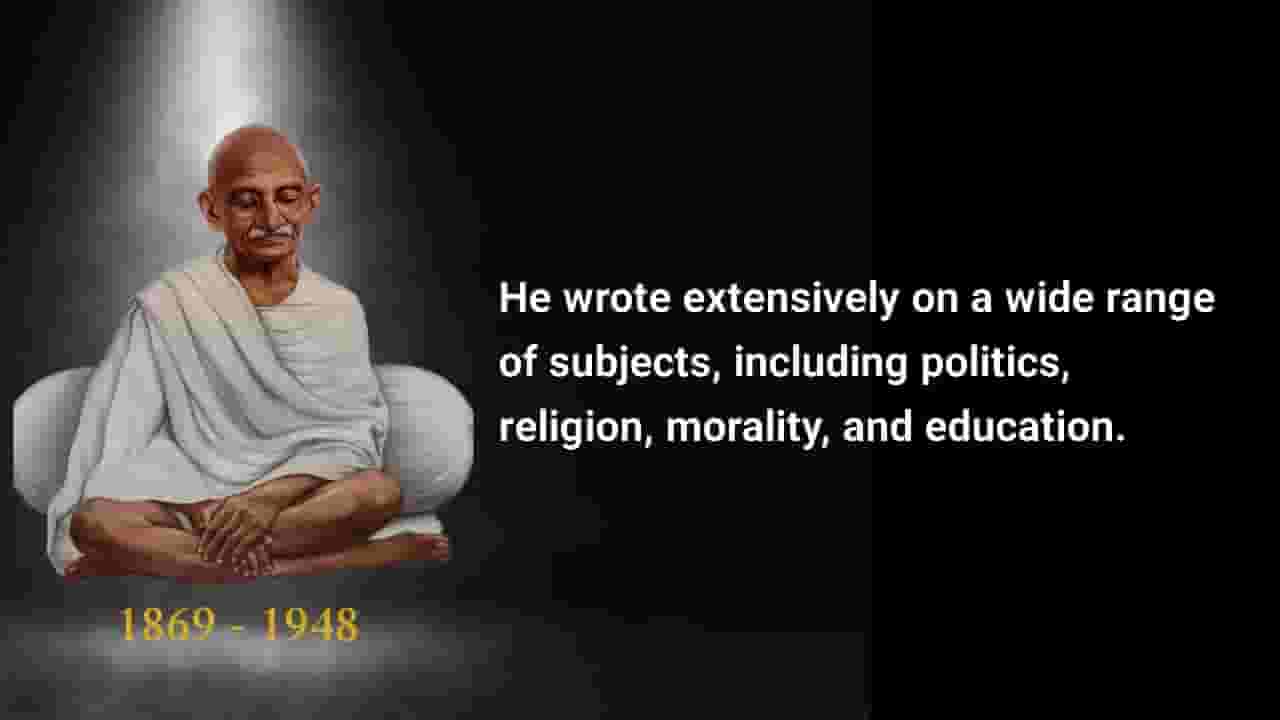
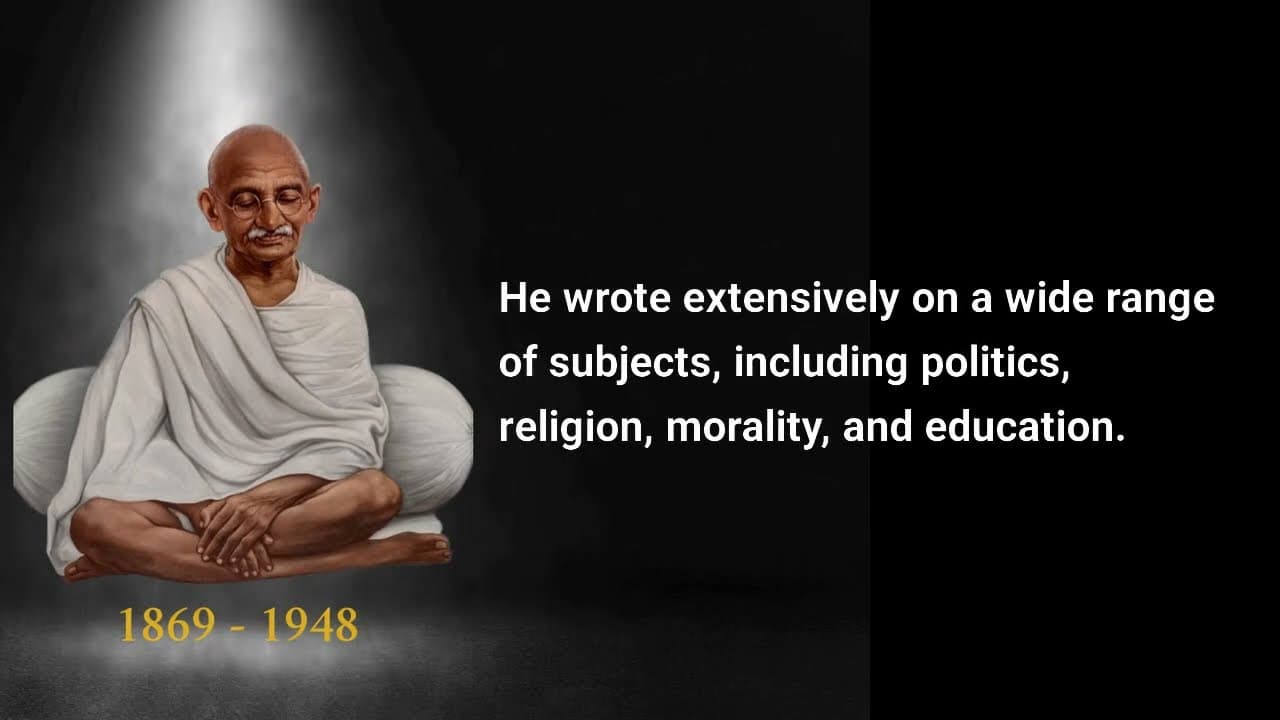
Mohandas Karamchand Gandhi, better known as Mahatma Gandhi, was born on October 2, 1869, in Porbandar, a coastal town in present-day Gujarat, India. Gandhi's father was a prominent local politician, and his mother was deeply religious, instilling in him a strong sense of Hindu spirituality from a young age. As a child, Gandhi was shy and introverted, but he showed a deep curiosity about the world around him. He excelled in school and went on to study law in London, England. While in London, Gandhi was exposed to Western culture and ideas, but he also faced discrimination as a person of color in a largely white society. These experiences left a lasting impression on him and shaped his later work as an advocate for social justice and human rights. After completing his studies, Gandhi returned to India and began practicing law. However, he soon became involved in the Indian independence movement, which was seeking to end British colonial rule in India. Gandhi quickly emerged as a leading figure in the movement, advocating for nonviolent resistance and civil disobedience as a means of achieving political change. Gandhi's first major campaign was the Non-Cooperation Movement of 1920-22, which called on Indians to boycott British goods and services and refuse to pay taxes to the colonial government. The movement was largely peaceful, but it was met with violence from the British authorities, who arrested thousands of Indian activists and protestors. Undeterred, Gandhi continued to lead nonviolent campaigns against British rule throughout the 1920s and 30s. He organized mass protests, hunger strikes, and other forms of civil disobedience, all aimed at achieving Indian independence and promoting social justice and human rights. One of Gandhi's most famous campaigns was the Salt March of 1930, in which he led a group of followers on a 240-mile trek across India to protest the British monopoly on salt production. The march attracted international attention and helped to galvanize the Indian independence movement. Gandhi's commitment to nonviolence and civil disobedience was inspired by his deep spirituality and his belief in the power of love and compassion. He saw these as the only way to overcome hatred and violence and to build a more just and equitable society. However, Gandhi's message of nonviolence was not always well received, and he faced opposition from both the British authorities and some members of the Indian independence movement who advocated for more militant tactics. Despite these challenges, Gandhi continued to work tirelessly for social justice and human rights. He was a fierce advocate for the rights of women, workers, and marginalized communities, and he believed in the importance of education and self-reliance as a means of achieving social and economic empowerment. Gandhi's work had a profound impact on India and on the world. His commitment to nonviolence and civil disobedience inspired many other social justice movements around the world, including the American civil rights movement led by Martin Luther King Jr. Gandhi's influence also extended to other areas of life, including spirituality, education, and environmentalism. He believed in the importance of living a simple and sustainable life, and he promoted the use of traditional Indian methods of agriculture and industry as a means of achieving economic self-sufficiency. Gandhi continued to work for social justice and human rights until his death on January 30, 1948, when he was assassinated by Nathuram Godse who disagreed with his approach. Today, Gandhi is remembered as one of the greatest figures in modern history. His commitment to nonviolence and civil disobedience, his advocacy for social justice and human rights, and his emphasis on spirituality and sustainability continue to inspire people around the world to work for a more just and equitable society. Thank you for watching, I tried very hard to get this video published and I hope it deserves your attention. © The material is copyrighted (audio and video), any use without our permission will be punishable under copyright law. We own the licenses to use all of the material in this video, including its thumbnail. Send us e-mail for community post shoutout / collab / promotions — [email protected]
About YouTube Real-Time View Count
With SocialCounts.org’s view counter, track your YouTube video’s live view count and YouTube likes count in real time with fast, reliable updates.
Watch every YouTube video live view count rise with our real-time YouTube views tracker—built for accuracy and minimal delay.
Follow YouTube real time views as they happen, using our dedicated view counter for YouTube videos.
Get up-to-date live view count on YouTube and see real-time growth with SocialCounts.org’s smart tracking tools.
Embed Widget
Parameters:
fullscreen=true- Fullscreen countergraph=true- Live graph chartcounter=0/1/2- Select counter (0=likes, 1=views, 2=comments)
URL
Click to copy the embed URL to your clipboard