

190,246
likes
10,989
comments
daily view 0
monthly view 0
Live Analytics
Comments 0
Primitive Technology: Yam, cultivate and cook Analytics Table
Income Estimates for Primitive Technology: Yam, cultivate and cook
Based on this YouTube video's total view count of 15.8M views and industry-standard rates, the estimated total earning is $11.1K - $31.7K through ad revenue. Historical data is not yet available to calculate daily, weekly, or monthly averages.
About Primitive Technology: Yam, cultivate and cook
Explore Primitive Technology: Yam, cultivate and cook with 15,887,300 views, 190,246 likes, and 10,989 comments. Experience the impact of this video content that has captured audience attention.
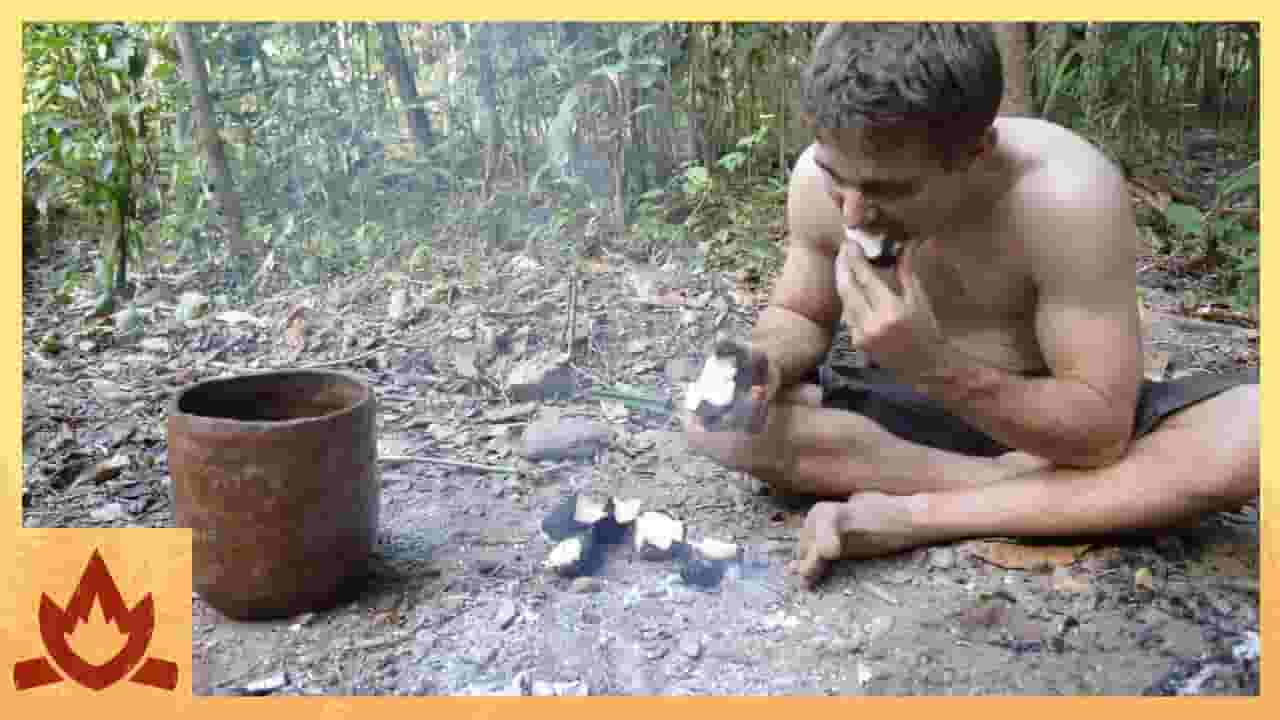
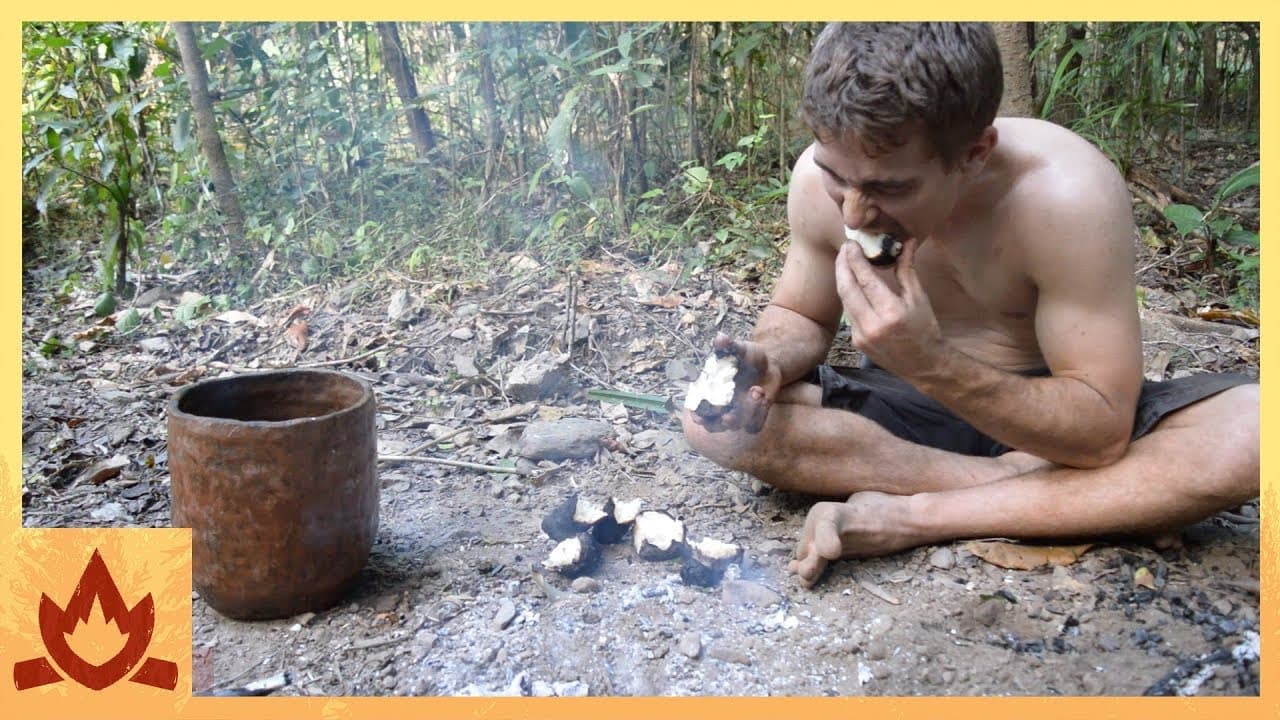
Primitive Technology: Yam, cultivate and cook Subscribe: http://bit.ly/subPT | Never miss a video! Enable ‘ALL’ Notifications! More videos, watch me build a natural Blower & Charcol next: http://bit.ly/2MuwEr5 Follow Primitive Technology: Wordpress: https://primitivetechnology.wordpress.com/ Patreon: https://patreon.com/user?u=2945881 Watch More Primitive Technology: Latest Uploads: https://youtube.com/playlist?list=PLGnWLXjIDnpBR4xqf3FO-xFFwE-ucq4Fj Pyrotechnology: https://youtube.com/playlist?list=PLGnWLXjIDnpBVRqu5lz5JGaQxjPs7q3CJ Shelter: https://youtube.com/playlist?list=PLGnWLXjIDnpBBsdKZb-vy30o88SIxItp2 Weapons: https://youtube.com/playlist?list=PLGnWLXjIDnpA-XGDrrmVgBnSXx15i2Awp Popular Videos: https://youtube.com/playlist?list=PLGnWLXjIDnpAb29Lrdki5BPjTpMon8zla About This Video: I planted a yam in a large basket like enclosure and then 6 months later harvested, cooked and ate it. My previous attempts at growing yams were stymied by wild pigs and scrub turkeys. On learning that yams are in the area, these animals will seek out any tubers planted and eat them. So my solution was to build a large basket like enclosure to protect the growing vine. 13 wooden stakes were hammered into the ground (an odd number being important in any weaving project) and lawyer cane harvested from the forest was woven between these uprights. The basket was about 1 m in diameter and about 75 cm high. A large yam, partially eaten by wallabies from a location further down the creek, was dug up and carried to the site. A small pit was dug in the enclosure and the yam simply placed in it. The enclosure was then back filled with dead leaves for fertiliser. As time progressed the vine grew above the basket and a long pole attached to it so it could climb into the canopy making full use of the sun. After 6 months and no maintenance, weeding or watering the yam had grown into two large tubers whereas the original yam had rotted away leaving a thin husk. The new tubers were dug up using a digging stick. As carful as I was, the yams sill broke off with more tuber still under ground. This portion will probably strike next season anyway. In the canopy, the vine also produced smaller tubbers called “bulbils”. These were collected in a pot to be used as seed yams for a larger garden I’m planning. You can eat bulbils as well but the larger yam is generally eaten instead due to its larger size. To cook the yam a fire pit was dug about 30 cm in diameter and about 20 cm deep. Wood was piled above the pit and set alight. The hot coals then fell into the pit where rocks where added to retain heat. The coals were scraped aside and the large tuber was broken up and thrown on top. The coals were raked back over it and a fire started on top. This cooked for 30 minutes before being pulled out of the coals. The outer layer of the yam was charred black and burning but the inside was soft and well cooked. The yam was eaten while steaming hot and tasted similar to a potato but with a crunchier texture near the outside much like bread crust. Although bland, yams provide a good deal of carbohydrates and are eaten as a staple in certain cultures. The remaining large yam tuber was tied up in a tree where rats could not eat it (hopefully). This form of farming is a good way to get around the conventional farming practice of clearing trees to make fields. Instead the yam vine uses the trees as scaffolding to climb on, allowing it to reach the light in the forest canopy. The basket enclosure worked well to keep forest creatures from eating the investment. It also formed a good in-situ compost heap to nourish the yam as it grew. In future, I’d add sand to the mix as yams tend to do well in sandy soil and I expect it would be easier to dig up. Yams do well in dry conditions but will yield more if well-watered so digging a water retaining pit might help. Despite the large size of the yams I grew relative to ordinary potatoes, much larger ones are possible and are indeed routinely grown. The largest one from my research was 275 kg, grown in India. Yams have 116 calories per 100 grams compared to potatoes at only 93. They store well in the dry season as they are adapted to having a dormant period during these conditions. They are versatile in that they can be cooked into chips, roasted, boiled, mashed and made into a type of dough called “fu fu” typically eaten with stews.
About YouTube Real-Time View Count
With SocialCounts.org’s view counter, track your YouTube video’s live view count and YouTube likes count in real time with fast, reliable updates.
Watch every YouTube video live view count rise with our real-time YouTube views tracker—built for accuracy and minimal delay.
Follow YouTube real time views as they happen, using our dedicated view counter for YouTube videos.
Get up-to-date live view count on YouTube and see real-time growth with SocialCounts.org’s smart tracking tools.
Embed Widget
Parameters:
fullscreen=true- Fullscreen countergraph=true- Live graph chartcounter=0/1/2- Select counter (0=likes, 1=views, 2=comments)
URL
Click to copy the embed URL to your clipboard