

Live Analytics
Comments 0
Types of Levers Analytics Table
Income Estimates for Types of Levers
Based on this YouTube video's total view count of 239K views and industry-standard rates, the estimated total earning is $168 - $480 through ad revenue. Historical data is not yet available to calculate daily, weekly, or monthly averages.
About Types of Levers
Explore Types of Levers with 239,899 views, 1,305 likes, and 81 comments. Experience the impact of this video content that has captured audience attention.
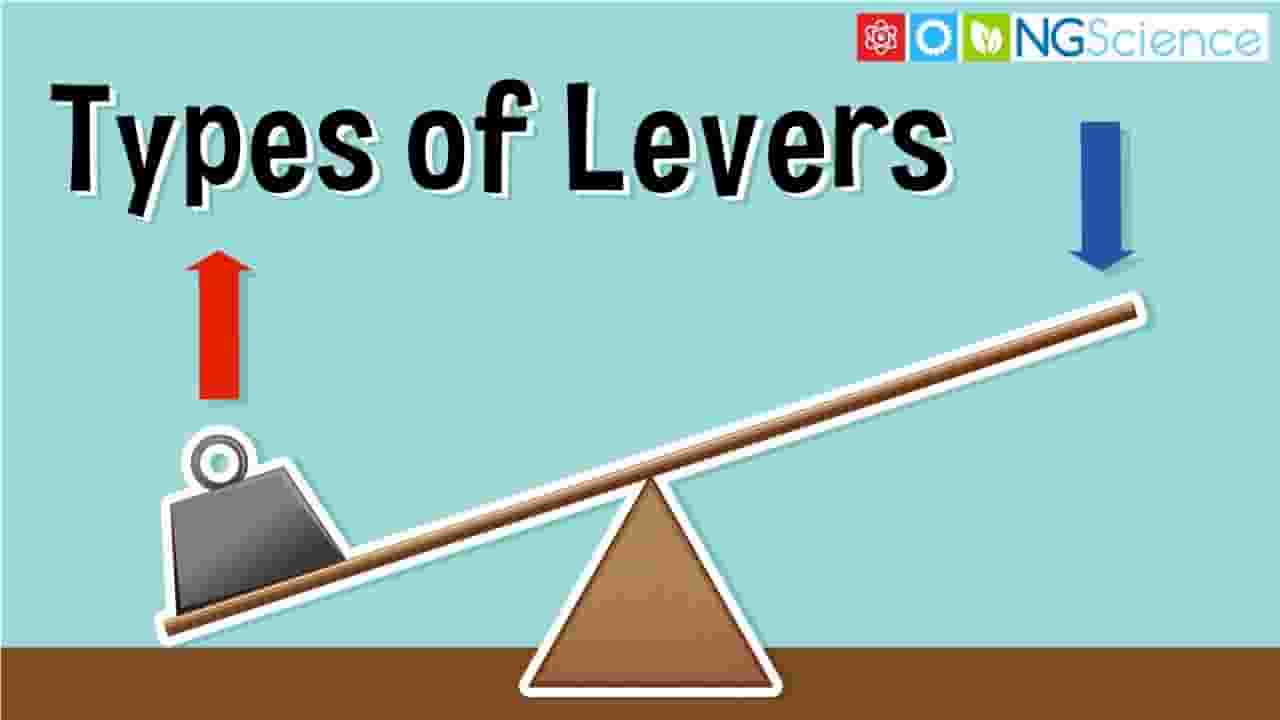
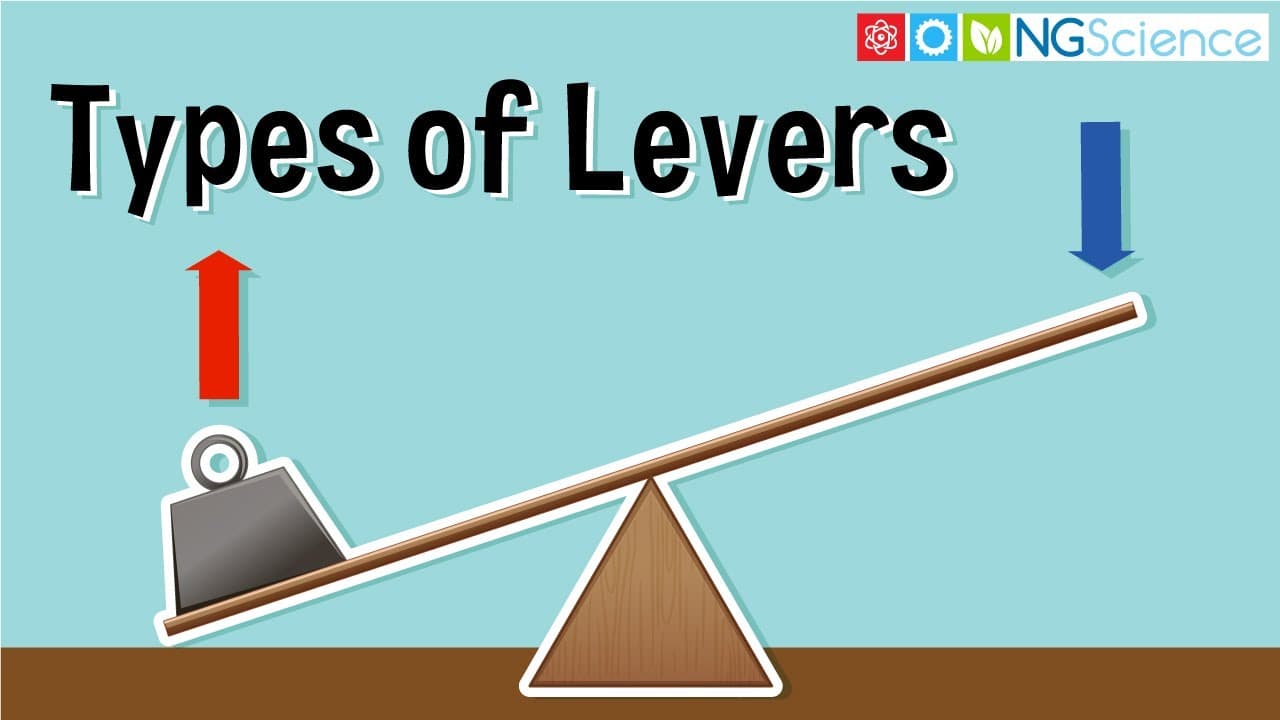
#ngscience.com #levers #force A lever is a simple machine that includes a bar that is free to move about a fixed point called a fulcrum. Levers make work easier by reducing the effort required to move the load, but increasing the distance moved by the effort. This can be achieved by moving the fulcrum closer to the load or applying the effort further from the fulcrum. There are three types of levers – first-class levers, second-class levers and third-class levers. Each type of lever makes work easier in different ways. In a first-class lever, the fulcrum is between the load and the place on the bar where the effort is applied. This changes the direction of the effort. Work is the easiest when the effort is applied to the bar as far from the fulcrum as possible. The distance the effort moves is increased but the force applied to the load is multiplied. Moving the fulcrum closer to the load increases the distance the effort moves and increases the force applied to the load. You use a first-class lever when you use a screwdriver to open a tin of paint. The rim of the paint tin is the fulcrum. The fulcrum is close to the load which increases the distance the effort moves and multiplies the force applied to the lid. The back of a claw hammer, crowbars, seesaws and scissors are objects we use that function as first-class levers. In second-class levers, the load is between the effort and the fulcrum. The effort moves over a larger distance to raise the load a smaller distance but with greater force. The closer the load is to the fulcrum, the larger the distance the effort moves and the greater the force applied to the load. Notice that in second-class levers, the effort applied is in the same direction as the force applied to the load. Wheelbarrows, nutcrackers and bottle-openers are objects we use that function as second-class levers. In both first-class and second-class levers, work is made easier by decreasing the effort required but applying the effort over a greater distance. In a third-class lever, the effort is between the fulcrum and the load. Greater effort is required to move the load, but the speed at which the load moves is multiplied. As in second-class levers, the direction of the effort and the force applied to the load is in the same direction. Fishing rods, baseball bats and brooms are objects that function as third-class levers.
About YouTube Real-Time View Count
With SocialCounts.org’s view counter, track your YouTube video’s live view count and YouTube likes count in real time with fast, reliable updates.
Watch every YouTube video live view count rise with our real-time YouTube views tracker—built for accuracy and minimal delay.
Follow YouTube real time views as they happen, using our dedicated view counter for YouTube videos.
Get up-to-date live view count on YouTube and see real-time growth with SocialCounts.org’s smart tracking tools.
Embed Widget
Parameters:
fullscreen=true- Fullscreen countergraph=true- Live graph chartcounter=0/1/2- Select counter (0=likes, 1=views, 2=comments)
URL
Click to copy the embed URL to your clipboard