

11,448
likes
208
comments
daily view 0
monthly view 0
Live Analytics
Comments 0
Tuberculosis (TB) Symptoms, Treatment, Causes, Nursing NCLEX Review Analytics Table
Income Estimates for Tuberculosis (TB) Symptoms, Treatment, Causes, Nursing NCLEX Review
Based on this YouTube video's total view count of 1.12M views and industry-standard rates, the estimated total earning is $790 - $2.25K through ad revenue. Historical data is not yet available to calculate daily, weekly, or monthly averages.
About Tuberculosis (TB) Symptoms, Treatment, Causes, Nursing NCLEX Review
Explore Tuberculosis (TB) Symptoms, Treatment, Causes, Nursing NCLEX Review with 1,128,531 views, 11,448 likes, and 208 comments. Experience the impact of this video content that has captured audience attention.
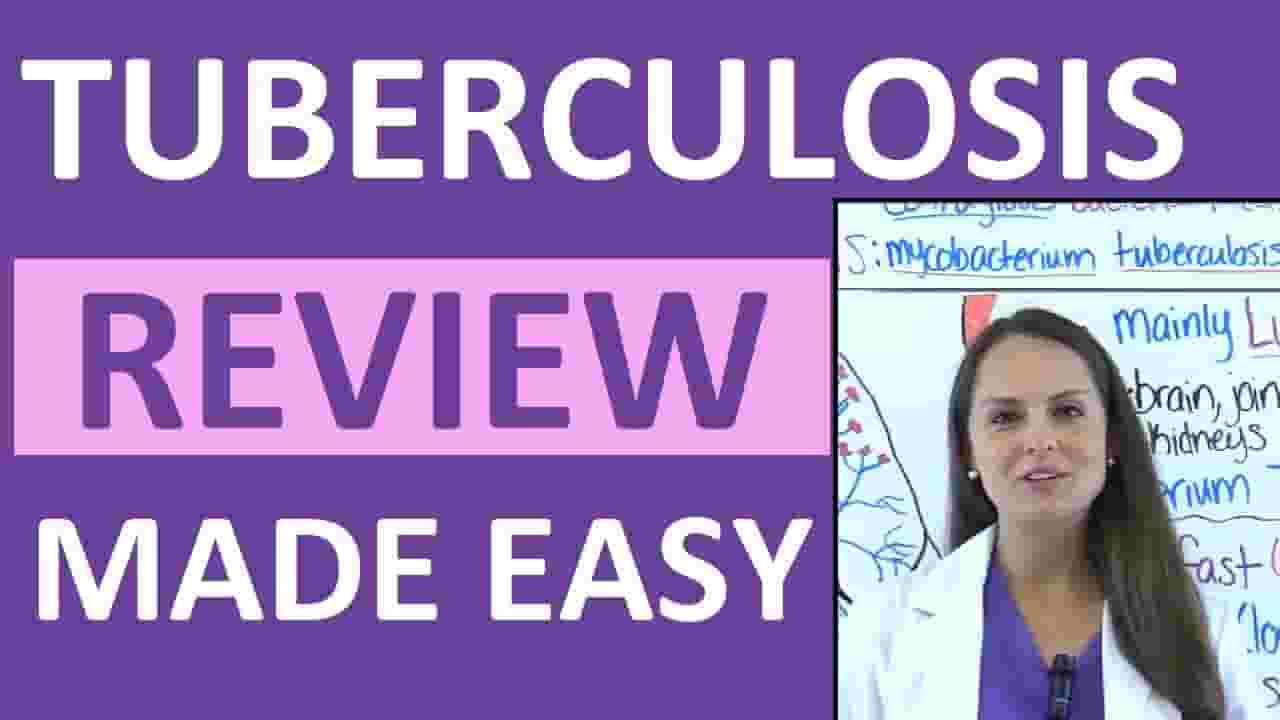
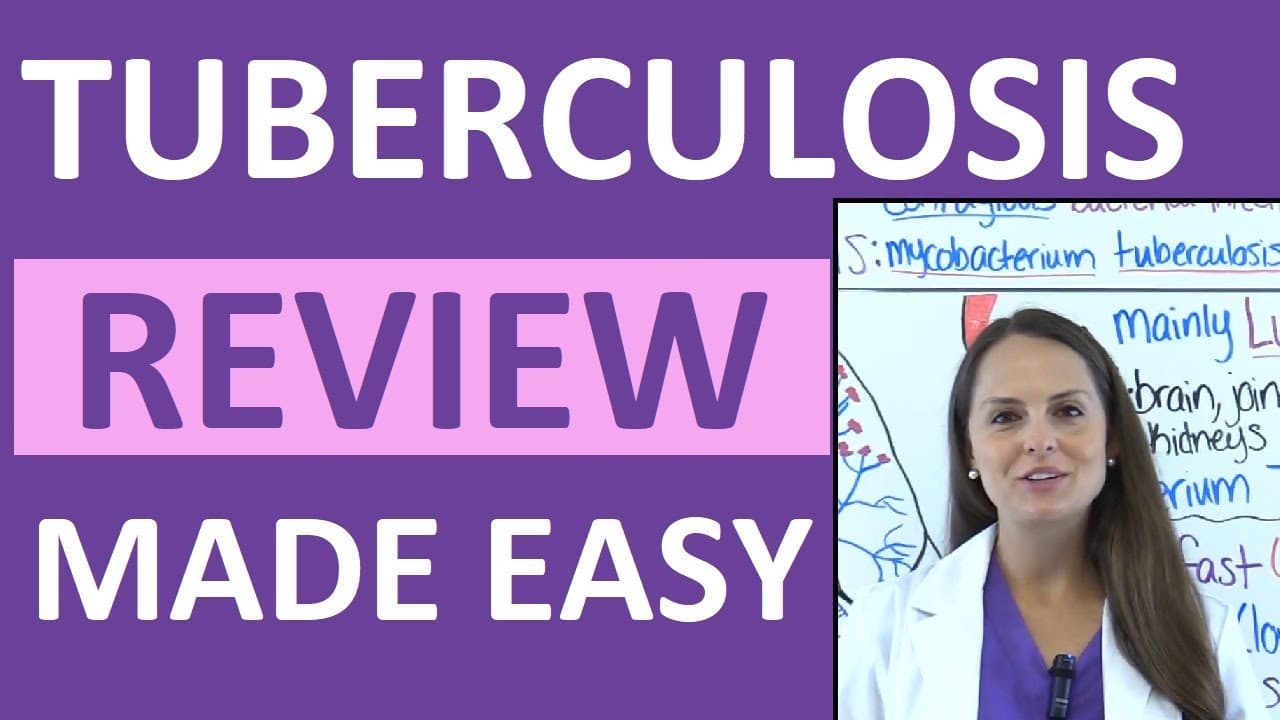
Tuberculosis (TB) is a contagious bacterial infection caused by mycobacterium tuberculosis.Tuberculosis symptoms can include coughing that is persistent for 3 weeks or more, night sweats, fever, chest pain, weight loss, coughing up blood, and chest pain. In this tuberculosis NCLEX review lecture, I'll discuss the following: -Tuberculosis pathophysiology (patho) -Tuberculosis symptoms -Tuberculosis causes (mycobacterium tuberculosis and its characteristics) and risk factors -Tuberculosis airborne precautions -Latent TB vs Active TB -TB testing and diagnosis, such as PPD skin test and results, TB blood testing, chest X-rays -Tuberculosis treatment and medications -Tuberculosis nursing interventions Mycobacterium tuberculosis is an aerobic, acid-fast bacteria. Therefore, it loves environments rich in oxygen and will stain bright red when stained during an acid-fast bacilli (AFB) smear. Tuberculosis is most commonly found in the lungs (specifically the upper lobes), but it can also affect the brain, liver, spine, joints, and kidneys. 🟣ABG eBook: https://registerednursern.creator-spring.com/ 🟣ABG physical book: https://amzn.to/3EsF0Mc (affiliate link) As a nurse you want to assess your patient for risk factors associated with contracting TB. Tuberculosis risk factors include: living in tight quarters (long-term care facilities, prison, homeless shelter), below or at the poverty line (homeless), immigrant or refugee, weak immune system (HIV), substance abuser (IV drugs), child less than the age of 5. Tuberculosis is an airborne infection and is spread when a person with active TB exhales the bacteria into the air via talking, sneezing, coughing, yelling or laughing and another person inhales the bacteria. It is important to remember that not all people who are exposed to the TB bacteria will develop active tuberculosis. Many people who are exposed to the bacteria have healthy immune systems that encapsulate the bacteria and keep it from growing (hence becoming an active TB infection). Therefore, the bacteria becomes inactive. This is known as a latent tuberculosis infection (LBTI). The person will NOT be contagious or have signs and symptoms and will have a normal chest x-ray and sputum culture. Their only sign will be a positive PPD (Mantoux test) skin test or blood test. The person will still need treatment to prevent a possible active tuberculosis infection in the future. However, if this person with LBTI experiences a breakdown in the immune system (ex: contracts HIV), the bacteria will become active again leading to an active infection. Active tuberculosis infections are different from LBTI in that the person will have signs and symptoms of TB, positive sputum culture and abnormal chest x-ray, be contagious, and have a positive PPD test or blood test. Testing includes: PPD (protein purified derivative) skin test and results are interpreted: -15 millimeters (mm) or more: Positive in all persons (doesn't matter if the person does not have any risk factors) -10 mm or more: positive if the person is an immigrant, IV drug user, working or living in tight living quarters, child less than 4 -5 mm or more: positive if person have HIV, in contact with someone with TB, organ transplant patient, or immunosuppressed Along with: chest x-ray, sputum culture, and Interferon-Gamma Release Assays (IGRA Test). There are two types of these blood tests: QuantiFERON-TB Gold (QFT) and T-Spot Nursing interventions for tuberculosis include: placing the patient in airborne precautions if they have ACTIVE tuberculosis (this include standard precautions plus wearing an N95 mask and negative air pressure room), education about isolation, DOT (directly observed therapy), medication education etc. Tuberculosis NCLEX Review Quiz: https://www.registerednursern.com/tuberculosis-nclex-questions/ Notes: https://www.registerednursern.com/tuberculosis-tb-nclex-review/ More Respiratory NCLEX lectures: https://www.youtube.com/watch?v=QCgcUtWkWqE&list=PLQrdx7rRsKfXxyukzyHpqYrJntLbv0aGE Facebook: https://www.facebook.com/RegisteredNurseRNs/ Instagram: https://www.instagram.com/registerednursern_com/ Twitter: https://twitter.com/nursesrn #TB #Tuberculosis #nurse #nursing #nursingschool #nclex #RN Subscribe: http://www.youtube.com/subscription_center?add_user=registerednursern Nursing School Supplies: http://www.registerednursern.com/the-ultimate-list-of-nursing-medical-supplies-and-items-a-new-nurse-student-nurse-needs-to-buy/
About YouTube Real-Time View Count
With SocialCounts.org’s view counter, track your YouTube video’s live view count and YouTube likes count in real time with fast, reliable updates.
Watch every YouTube video live view count rise with our real-time YouTube views tracker—built for accuracy and minimal delay.
Follow YouTube real time views as they happen, using our dedicated view counter for YouTube videos.
Get up-to-date live view count on YouTube and see real-time growth with SocialCounts.org’s smart tracking tools.
Embed Widget
Parameters:
fullscreen=true- Fullscreen countergraph=true- Live graph chartcounter=0/1/2- Select counter (0=likes, 1=views, 2=comments)
URL
Click to copy the embed URL to your clipboard