

20
likes
0
comments
daily view 0
monthly view 0
Live Analytics
Comments 0
Birth Trauma's Link to Autism & Asperger's Explained Analytics Table
Income Estimates for Birth Trauma's Link to Autism & Asperger's Explained
Based on this YouTube video's total view count of 1.06K views and industry-standard rates, the estimated total earning is $1 - $2 through ad revenue. Historical data is not yet available to calculate daily, weekly, or monthly averages.
About Birth Trauma's Link to Autism & Asperger's Explained
Explore Birth Trauma's Link to Autism & Asperger's Explained with 1,065 views, 20 likes, and 0 comments. Experience the impact of this video content that has captured audience attention.
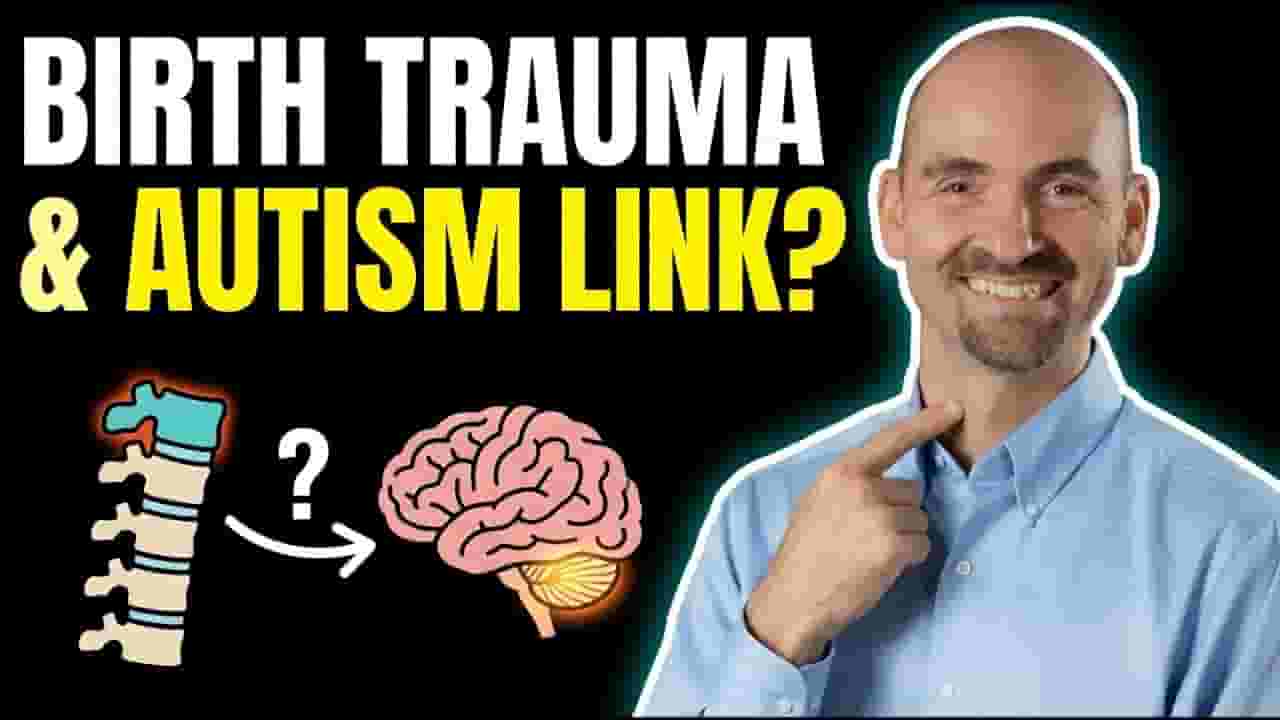
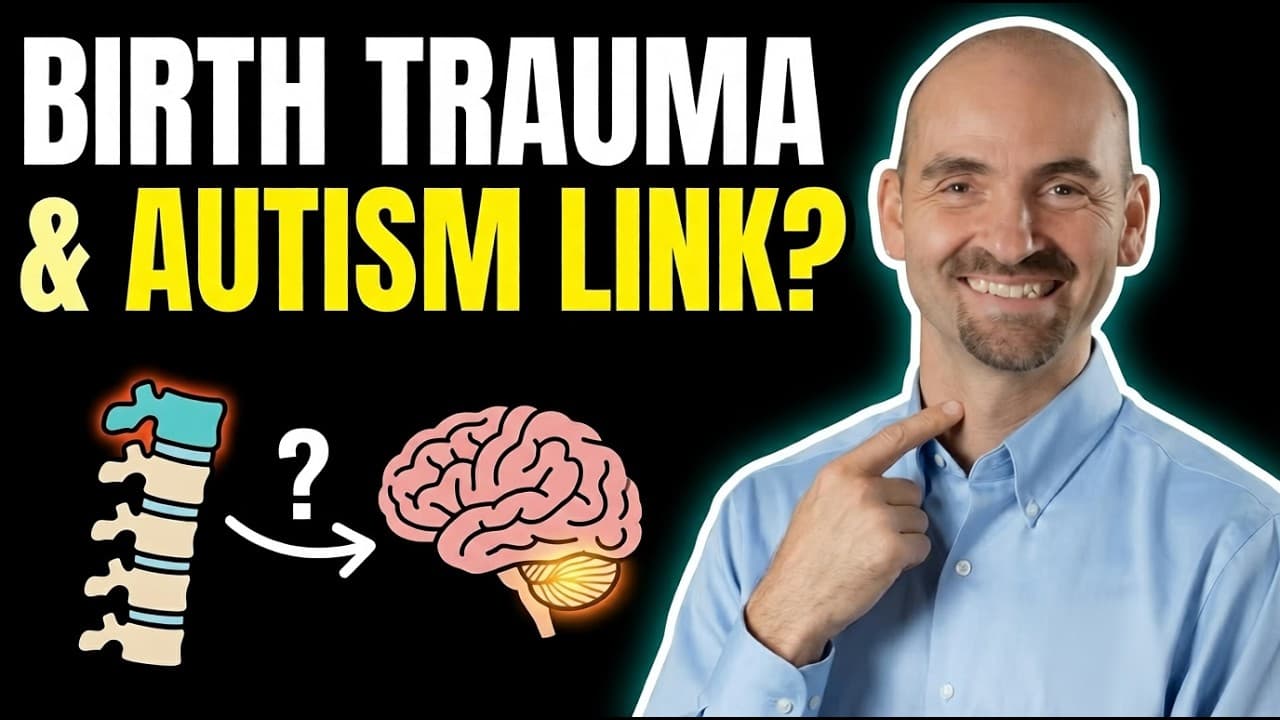
Birth Trauma's Link to Autism & Asperger's Explained This video discusses the possible connection between traumatic birth experiences, upper cervical spine alignment, the cerebellum, and child brain development. It explains how restricted movement in the first two vertebrae may affect cerebellum stimulation and how that could potentially influence social behavior, coordination, emotional processing, and communication skills in children. The speaker also talks about how these neurological patterns may relate to behaviors commonly seen in children on the autism spectrum or with Asperger’s syndrome. A difficult birth can lock the first two vertebrae, affecting the cerebellum and consequently the prefrontal cortex. This can hinder social development and behavior in children, impacting their ability to understand social cues and norms. #ChildDevelopment #BirthTrauma #Neurology #AutismAwareness #SocialSkills 🔹 Main Highlights: 👉Importance of the first two cervical vertebrae 👉Cerebellum and brain stimulation explained 👉Role of the prefrontal cortex in social behavior 👉Connection between coordination and neurological development 👉Autism spectrum and social interaction challenges 👉Understanding body language, facial expressions, and social cues 👉How early spinal issues may influence brain communication 👉Neurological development during infancy and childhood Video Chapters : 00:00 – Traumatic Birth & Upper Cervical Spine 00:08 – Cerebellum and Brain Stimulation 00:16 – How the Brain Receives Neurological Input 00:23 – The Right Prefrontal Cortex Explained 00:29 – Social Behavior Development in Children 00:37 – Autism Spectrum & Behavioral Challenges 00:46 – Socially Acceptable Behavior Discussion 00:54 – Early Childhood Brain Stimulation 01:01 – Understanding Social Integration 01:08 – Asperger’s Syndrome and Neurological Patterns\ 🔗 Follow for More : - Facebook: [ https://www.facebook.com/NetworkFamilyCareCenter ] - Instagram: [ https://www.instagram.com/networkfamilycarecenter ] - Twitter/X : [https://x.com/drmarcoc ] - Website : [ https://www.doctormarcodc.com ] - Second Website : [ https://www.networkfamilycarecenter.com/] - If you found this video helpful, don’t forget to : - Like the video to show your support 👍 - Comment your thoughts 💬 - Share this video with someone who could benefit📢 - Subscribe and turn on notifications for more videos🔔
About YouTube Real-Time View Count
With SocialCounts.org’s view counter, track your YouTube video’s live view count and YouTube likes count in real time with fast, reliable updates.
Watch every YouTube video live view count rise with our real-time YouTube views tracker—built for accuracy and minimal delay.
Follow YouTube real time views as they happen, using our dedicated view counter for YouTube videos.
Get up-to-date live view count on YouTube and see real-time growth with SocialCounts.org’s smart tracking tools.
Embed Widget
Parameters:
fullscreen=true- Fullscreen countergraph=true- Live graph chartcounter=0/1/2- Select counter (0=likes, 1=views, 2=comments)
URL
Click to copy the embed URL to your clipboard