

23,073
likes
1,780
comments
daily view 0
monthly view 0
Live Analytics
Comments 0
The B-17 that flew Without a Cockpit Analytics Table
Income Estimates for The B-17 that flew Without a Cockpit
Based on this YouTube video's total view count of 905K views and industry-standard rates, the estimated total earning is $634 - $1.81K through ad revenue. Historical data is not yet available to calculate daily, weekly, or monthly averages.
About The B-17 that flew Without a Cockpit
Explore The B-17 that flew Without a Cockpit with 905,067 views, 23,073 likes, and 1,780 comments. Experience the impact of this video content that has captured audience attention.
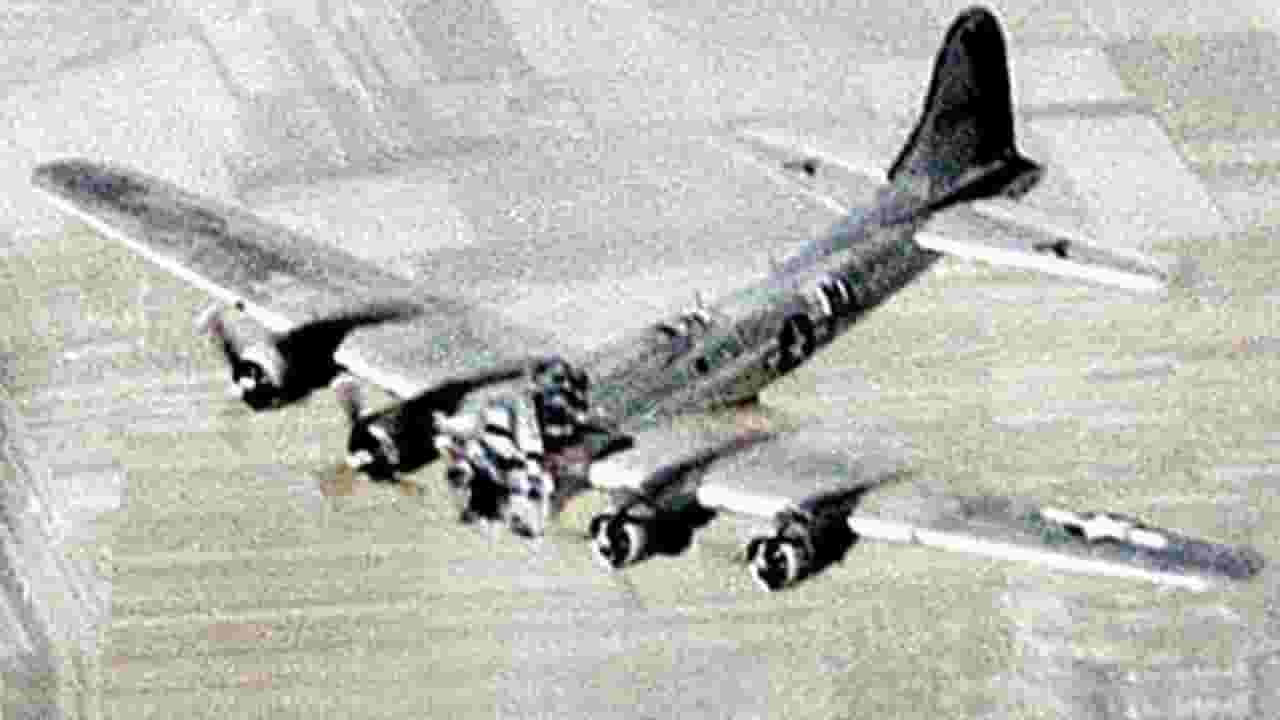
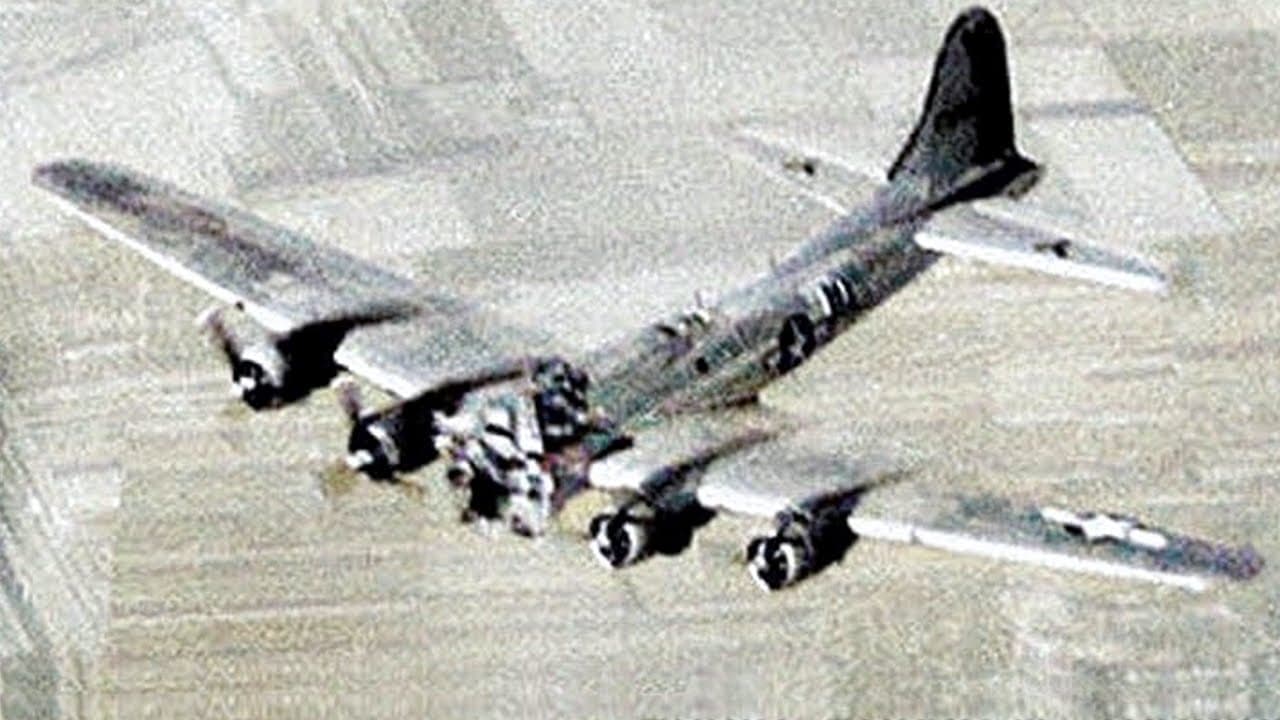
In the thick of World War II, a B-17 Flying Fortress was severely damaged in combat its entire cockpit section torn away mid-flight. By all logic, the aircraft should have gone down instantly. But somehow… it kept flying for over 10 minutes. What would happen after? This is the story of The B-17 that flew Without a Cockpit Support our work for $1 or more on Patreon, Every little helps https://www.patreon.com/SgtVittie Consider becoming a Channel member to directly support us Simply click the "Join" button next to subscribe #b17 #history NOTE : The Footage and Thumbnail of this video is the best closest representation to what happened. It is not the actual footage. Music Source https://www.youtube.com/watch?v=enk9srBmTqQ https://www.youtube.com/watch?v=vUGV5nqNEws https://www.youtube.com/watch?v=zivhwK3KsBM Background history on the Bomber https://www.britannica.com/technology/B-17 B-17, also called Flying Fortress, U.S. heavy bomber used during World War II. The B-17 was designed by the Boeing Aircraft Company in response to a 1934 Army Air Corps specification that called for a four-engined bomber at a time when two engines were the norm. The bomber was intended from the outset to attack strategic targets by precision daylight bombing, penetrating deep into enemy territory by flying above the effective range of antiaircraft artillery. Turbo-supercharged radial engines (a uniquely American development) were to give the necessary high-altitude performance, and heavy defensive armament was to provide protection against attacking fighters. Accuracy was to be achieved with the Norden bombsight, developed and fielded in great secrecy during the 1930s. The Norden consisted of a gyroscopically stabilized telescopic sight coupled to an electromechanical computer into which the bombardier fed inputs for altitude, atmospheric conditions, air speed, ground speed, and drift. During the bomb run, the sight was slaved to the automatic pilot to guide the aircraft to the precise release point. In the hands of a skilled bombardier, the Norden was a remarkably accurate sight. The first prototype bomber flew in mid-1935, and the B-17 entered small-scale production in 1937. Early versions proved to be more vulnerable to fighter attack than anticipated, but, by the time the B-17E version began to go into service shortly before the United States entered the war in 1941, the plane was equipped with turrets in the upper fuselage, belly, and tail. All but the last turret were power-operated, and each mounted a pair of 0.50-calibre (12.7-mm) machine guns. This increased firepower made the B-17 a formidable opponent for enemy fighters, particularly when flying in tightly stacked defensive formations for mutual protection. The basic element of a typical formation was a squadron “box” of 9 or 12 aircraft; three squadron boxes staggered vertically and horizontally formed a group, and three groups in trail formed a combat wing. In the event, the need to keep such tight defensive formations over Europe compromised the accuracy of the Norden bombsight, since individual bomb runs were not possible without breaking the formation. Whole bomb formations had to drop their loads on the lead bombardier’s command, and the inevitable small differences in timing and heading led to dispersed bomb patterns. During the war, B-17s were among the most modern aircraft in the U.S. inventory. However, the advent of the jet age and advances in technology made the Flying Fortress obsolete soon after the conclusion of the war. In the years following World War II, most B-17s were cut up for scrap, used in Air Force research or sold on the surplus market. In 1934, the Boeing Aircraft Company of Seattle, Washington, began construction of a four-engine heavy bomber. Known as Boeing model 299, it first took flight on July 28, 1935. The government ordered production of 13 of these aircraft, now designated the Y1B-17. Delivery of these first production models was between January 11 and August 4, 1937. The B-17 received the name Flying Fortress from a Seattle reporter who commented on its defensive firepower. The B-17 underwent a number of improvements over its 10-year production span. Models ranged from the YB-17 to the B-17-G model. Throughout the war, the B-17 was refined and improved as battle experience showed the Boeing designers where improvements could be made. The final B-17 production model, the B-17G, was produced in larger quantities (8,680) than any previous model and is considered the definitive Flying Fort. With its 13 .50-caliber machine guns – chin, top, ball, and tail turrets; waist and cheek guns – the B-17G was indeed an airplane that earned the respect of its combatants. In addition, air crews liked the B-17 for its ability to withstand heavy combat damage and still return its crew safely home. Between 1935 and May of 1945, 12,732 B-17s were produced. Of these aircraft, 4,735 were lost during combat missions. https://www.eaa.org/eaa
About YouTube Real-Time View Count
With SocialCounts.org’s view counter, track your YouTube video’s live view count and YouTube likes count in real time with fast, reliable updates.
Watch every YouTube video live view count rise with our real-time YouTube views tracker—built for accuracy and minimal delay.
Follow YouTube real time views as they happen, using our dedicated view counter for YouTube videos.
Get up-to-date live view count on YouTube and see real-time growth with SocialCounts.org’s smart tracking tools.
Embed Widget
Parameters:
fullscreen=true- Fullscreen countergraph=true- Live graph chartcounter=0/1/2- Select counter (0=likes, 1=views, 2=comments)
URL
Click to copy the embed URL to your clipboard