

4,327
likes
453
comments
daily view 0
monthly view 0
Live Analytics
Comments 0
The Distance Between Galaxies Is Worse Than You Think Analytics Table
Income Estimates for The Distance Between Galaxies Is Worse Than You Think
Based on this YouTube video's total view count of 202K views and industry-standard rates, the estimated total earning is $142 - $406 through ad revenue. Historical data is not yet available to calculate daily, weekly, or monthly averages.
About The Distance Between Galaxies Is Worse Than You Think
Explore The Distance Between Galaxies Is Worse Than You Think with 202,809 views, 4,327 likes, and 453 comments. Experience the impact of this video content that has captured audience attention.
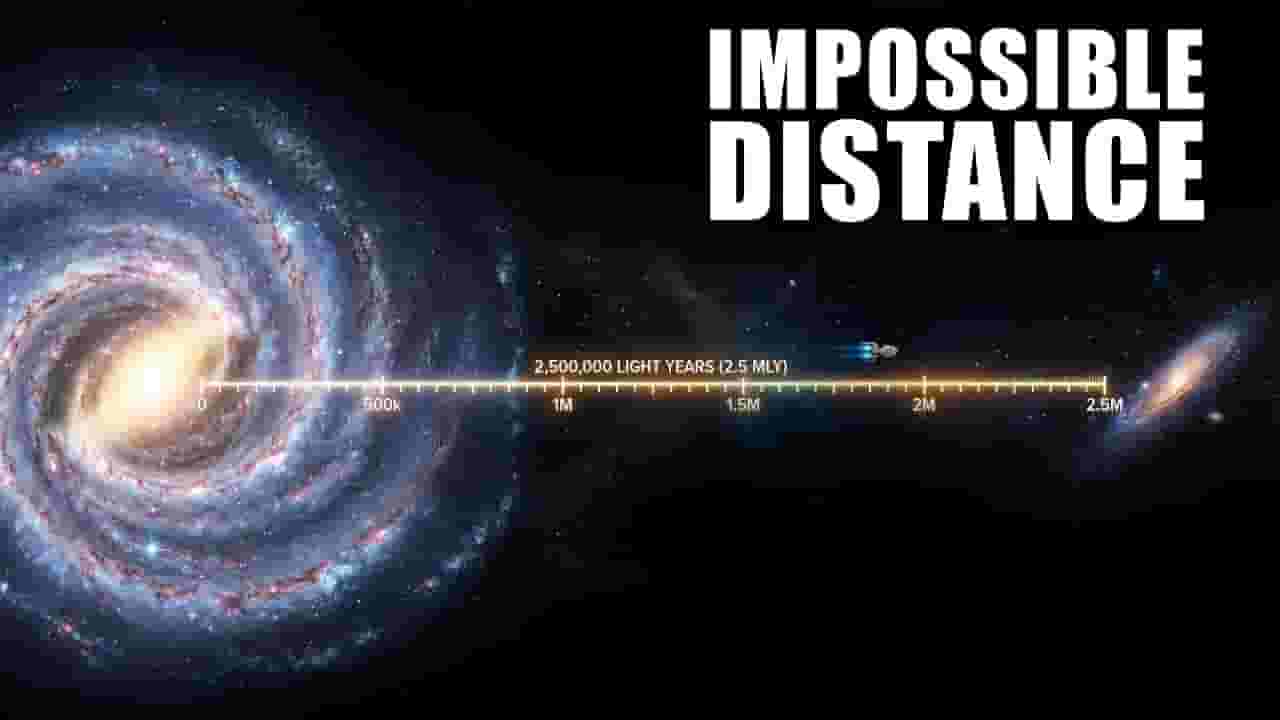
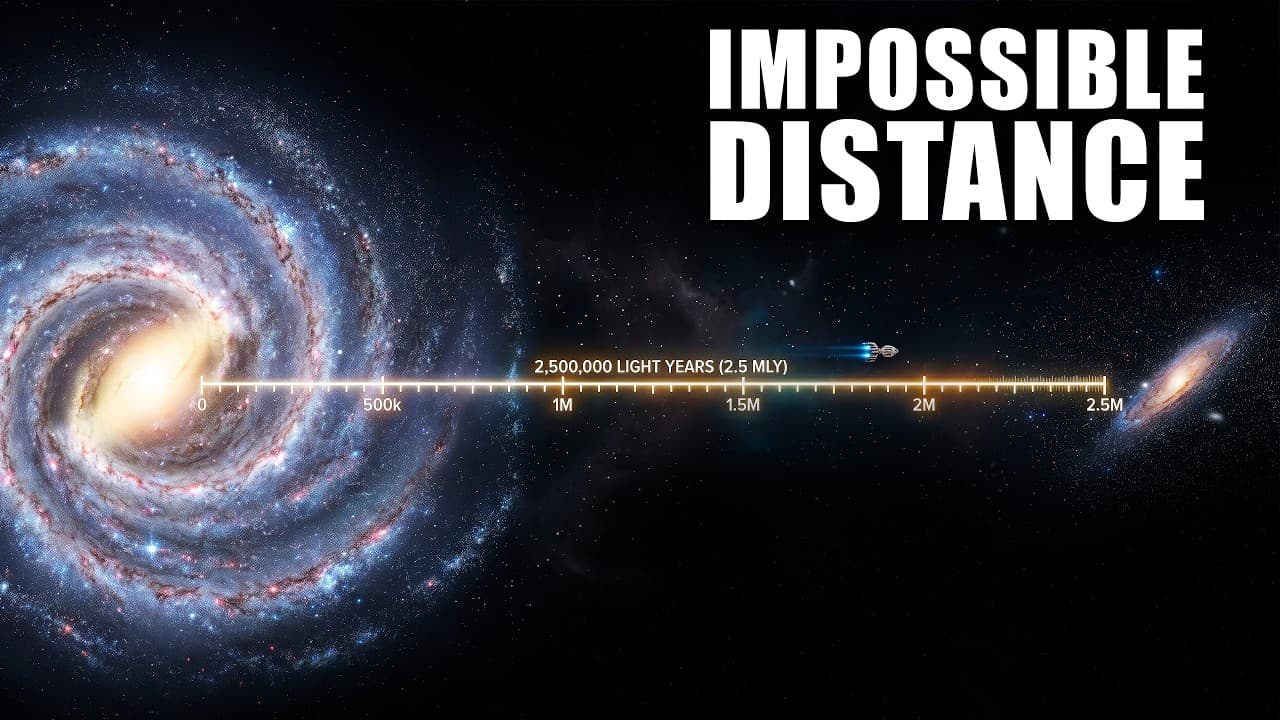
The distance between galaxies is the most terrifying measurement in all of science. Even our nearest galactic neighbor, Andromeda, sits 2.5 million light-years away - so far that the light entering your eyes tonight left before humans existed. And between those galaxies? Almost nothing. One atom per cubic meter. A void so vast and so empty that it redefines what isolation means. In this deep dive, we explore why intergalactic space is qualitatively different from anything else in the cosmos. We break down the true scale of galaxies, the shocking emptiness of the intergalactic medium, the architecture of the cosmic web, and why the expansion of the universe means 94% of all galaxies are already permanently beyond our reach - visible but untouchable, separated by distances that grow wider every second. From the warm-hot intergalactic medium and the missing baryon problem to the cosmic event horizon and the inevitable isolation of Milkomeda, this is the full story of why the space between galaxies is the loneliest place in the universe - and why it's only getting lonelier. Sources: NASA/ESA — Hubble Space Telescope Mission. https://science.nasa.gov/mission/hubble/ Nicastro, F. et al. (2018). "Observations of the missing baryons in the warm–hot intergalactic medium." Nature, 558(7710), 406–409. https://doi.org/10.1038/s41586-018-0204-1 Macquart, J.-P. et al. (2020). "A census of baryons in the Universe from localized fast radio bursts." Nature, 581(7809), 391–395. https://doi.org/10.1038/s41586-020-2300-2 Krauss, L.M. & Scherrer, R.J. (2007). "The Return of a Static Universe and the End of Cosmology." General Relativity and Gravitation, 39, 1545–1550. https://doi.org/10.1007/s10714-007-0472-9 Sawala, T. et al. (2025). "The Milky Way and Andromeda galaxies may not collide." Nature Astronomy, 9(8), 1206–1217. https://arxiv.org/abs/2501.12510 #andromeda #galaxies #universe #cosmology #space #intergalactic #deepspace
About YouTube Real-Time View Count
With SocialCounts.org’s view counter, track your YouTube video’s live view count and YouTube likes count in real time with fast, reliable updates.
Watch every YouTube video live view count rise with our real-time YouTube views tracker—built for accuracy and minimal delay.
Follow YouTube real time views as they happen, using our dedicated view counter for YouTube videos.
Get up-to-date live view count on YouTube and see real-time growth with SocialCounts.org’s smart tracking tools.
Embed Widget
Parameters:
fullscreen=true- Fullscreen countergraph=true- Live graph chartcounter=0/1/2- Select counter (0=likes, 1=views, 2=comments)
URL
Click to copy the embed URL to your clipboard