

1,883
likes
213
comments
daily view 0
monthly view 0
Live Analytics
Comments 0
2-Minute Neuroscience: Prion Diseases Analytics Table
Income Estimates for 2-Minute Neuroscience: Prion Diseases
Based on this YouTube video's total view count of 130K views and industry-standard rates, the estimated total earning is $91 - $261 through ad revenue. Historical data is not yet available to calculate daily, weekly, or monthly averages.
About 2-Minute Neuroscience: Prion Diseases
Explore 2-Minute Neuroscience: Prion Diseases with 130,576 views, 1,883 likes, and 213 comments. Experience the impact of this video content that has captured audience attention.
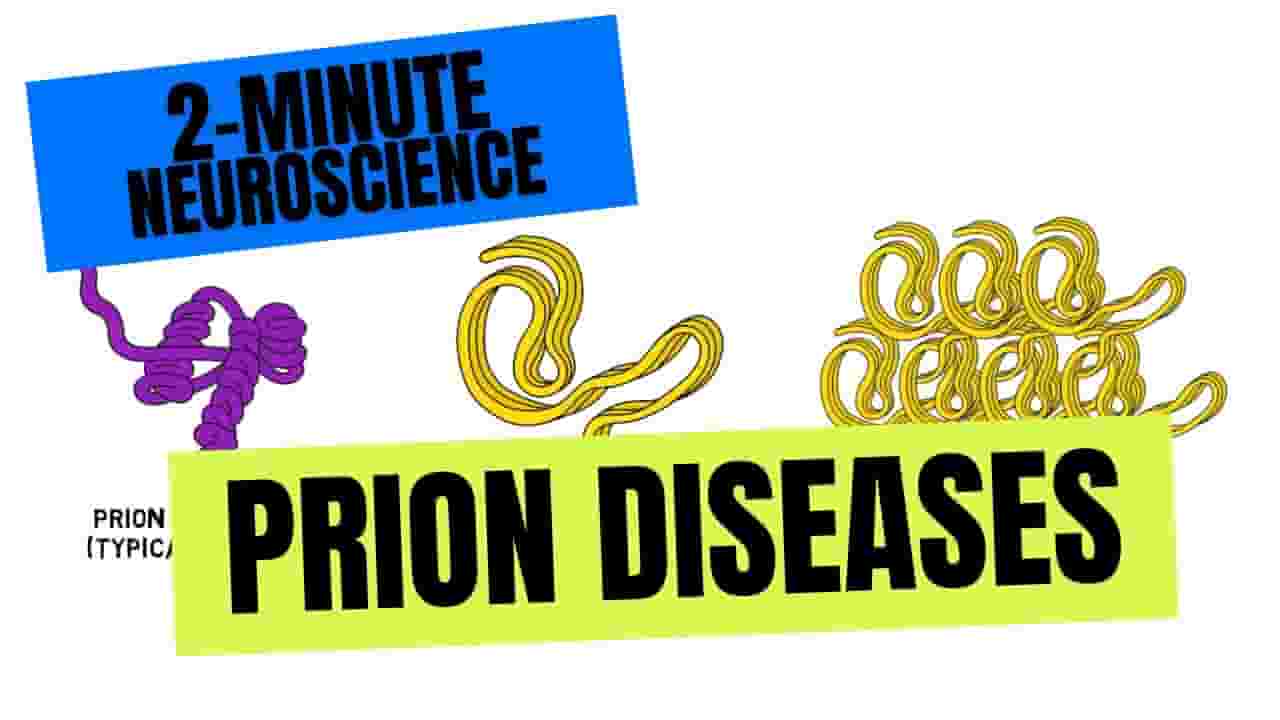
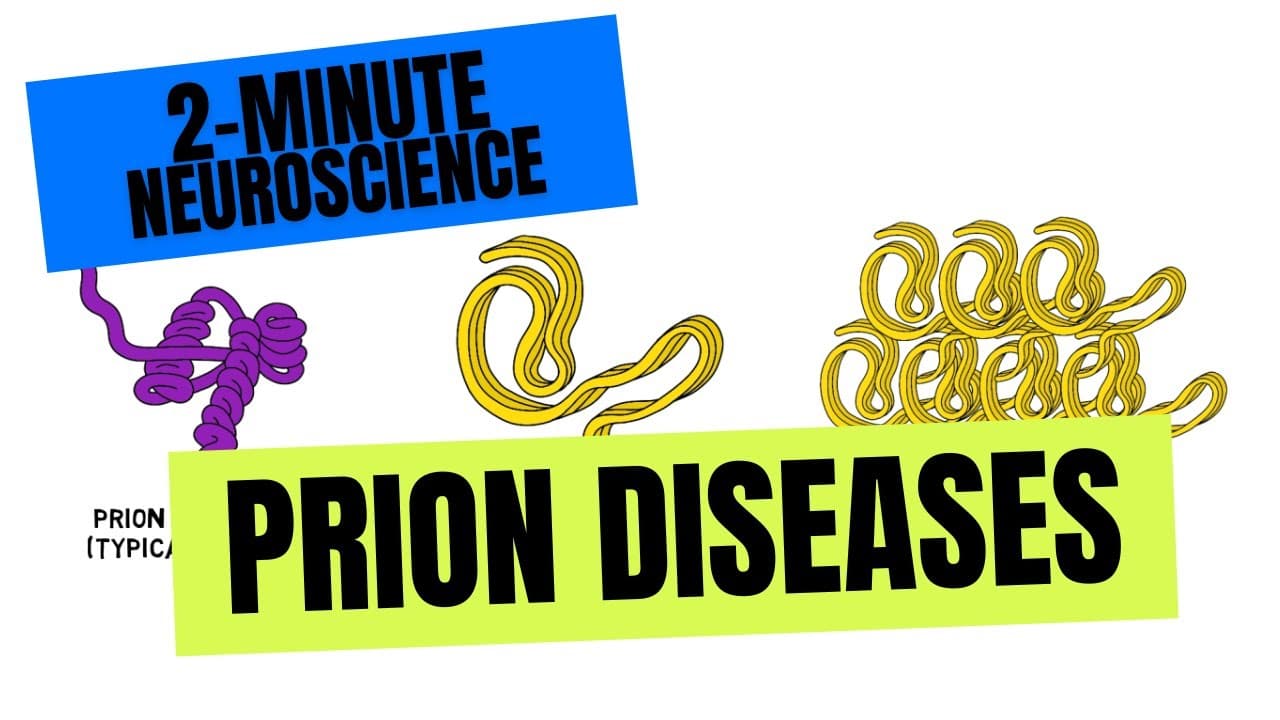
Prion diseases, also known as transmissible spongiform encephalopathies, are a group of neurodegenerative diseases that involve the accumulation of an abnormal form of a protein called prion protein into aggregates that are resistant to being broken down by brain enzymes. In this video, I discuss the general characteristics of prion diseases, including the pathophysiology, epidemiology, and prognosis. 🧠 Take your learning further with my free, self-paced Introduction to Neuroscience course featuring my videos, articles, and hundreds of quiz questions: https://neuroscientificallychallenged.com/course If you're looking for accessible and entertaining ways to learn more about the brain, check out my books: 📚Your Brain, Explained: What Neuroscience Reveals About Your Brain and its Quirks: https://www.amazon.com/Your-Brain-Explained-Neuroscience-Reveals/dp/1473696569/ 📚Bizarre: The Most Peculiar Cases of Human Behavior and What They Tell Us About How the Brain Works: https://www.amazon.com/Bizarre-Peculiar-Cases-Human-Behavior/dp/139980121X/ TRANSCRIPT Prion diseases, also known as transmissible spongiform encephalopathies, are a group of neurodegenerative diseases that involve the accumulation of an abnormal form of a protein called prion protein into aggregates that are resistant to being broken down by brain enzymes. The formation of these protein aggregates is associated with pathological changes in the nervous system, such as the formation of tiny holes in grey matter, which gives the tissue a sponge-like appearance. There is also a loss of neurons and other signs of brain pathology, which are associated with symptoms that rapidly worsen over time. The symptoms vary depending on the specific prion disease, but include severe cognitive decline and a variety of neurological problems. Prion diseases are incurable and always result in death; there is currently no treatment recognized to be effective in improving someone’s prognosis. Unlike other infectious agents, the agent that causes prion diseases seems to consist only of an abnormal form of a protein. Hence the term prion, which is an amalgamation of “proteinaceous infectious particle.” The pathogenic form of prion protein seems to be capable of transmitting its pathogenic state to other, previously healthy, proteins. Additionally, pieces of protein aggregates sometimes break off, and the particles can form additional aggregates. In these ways, prion diseases cause the spread of pathology throughout the central nervous system. Prion diseases are not transmitted like typical infectious diseases. There is no evidence, for example, of them being transmitted through casual contact. Only a very small percentage of cases are due to an acquired infection. Documented cases of acquired infections have occurred through consumption of contaminated meat or accidental transmission through a medical procedure. Approximately 10-15% of prion diseases are inherited and clearly traceable back to a mutation in the prion protein gene, but most cases are sporadic, without a known cause. REFERENCES Piñar-Morales R, Barrero-Hernández F, Aliaga-Martínez L. Human prion diseases: An overview. Med Clin (Barc). 2023 Jun 23;160(12):554-560. English, Spanish. doi: 10.1016/j.medcli.2023.03.001. Epub 2023 Apr 21. PMID: 37088611. Zerr I, Ladogana A, Mead S, Hermann P, Forloni G, Appleby BS. Creutzfeldt-Jakob disease and other prion diseases. Nat Rev Dis Primers. 2024 Feb 29;10(1):14. doi: 10.1038/s41572-024-00497-y. PMID: 38424082. Picture of spongiform degeneration of gray matter from Tulemo on Wikipedia: https://en.wikipedia.org/wiki/Transmissible_spongiform_encephalopathy#/media/File:Spongiform_degeneration_in_Creutzfeldt-Jakob_disease.jpg 📝 Pass your next test with my 2-minute neuro videos! My name is Marc, and I want to immerse you in the fascinating world of neuroscience. When I'm not making videos, I'm a university professor at Penn State. I made this channel to help simplify complex topics into easy-to-understand snippets, perfect for students & enthusiasts alike. 📚 I aim to make learning about the brain fun and easy. Whether you're a student seeking to supplement your studies or a curious mind eager to understand the basics of neuroscience, this channel will provide valuable insights and knowledge into the human brain. Subscribe and join our journey into the mind! 🧠
About YouTube Real-Time View Count
With SocialCounts.org’s view counter, track your YouTube video’s live view count and YouTube likes count in real time with fast, reliable updates.
Watch every YouTube video live view count rise with our real-time YouTube views tracker—built for accuracy and minimal delay.
Follow YouTube real time views as they happen, using our dedicated view counter for YouTube videos.
Get up-to-date live view count on YouTube and see real-time growth with SocialCounts.org’s smart tracking tools.
Embed Widget
Parameters:
fullscreen=true- Fullscreen countergraph=true- Live graph chartcounter=0/1/2- Select counter (0=likes, 1=views, 2=comments)
URL
Click to copy the embed URL to your clipboard