


43,933
likes
1,581
comments
daily view 0
monthly view 0
Live Analytics
Comments 0
What Is a Migraine Headache? Analytics Table
Income Estimates for What Is a Migraine Headache?
Based on this YouTube video's total view count of 2.90M views and industry-standard rates, the estimated total earning is $2.03K - $5.81K through ad revenue. Historical data is not yet available to calculate daily, weekly, or monthly averages.
About What Is a Migraine Headache?
Explore What Is a Migraine Headache? with 2,904,388 views, 43,933 likes, and 1,581 comments. Experience the impact of this video content that has captured audience attention.
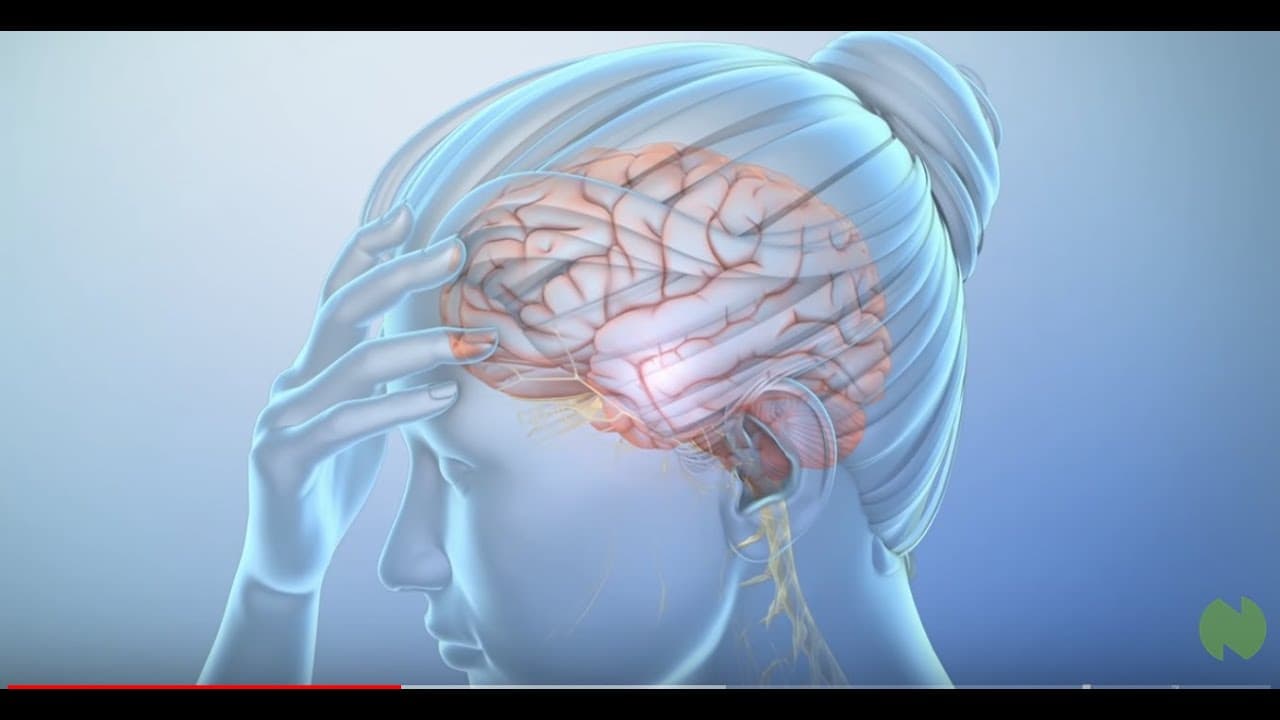
This animation is brought to you by the Association of Migraine Disorders, with support from Amgen/Novartis and AbbVie. Migraine is not just a headache, it's a complex neurological disease that impacts more than 1 billion people worldwide. This animation by Nucleus Medical Media, made in collaboration with AMD, explains possible causes of this disease and what happens in the brain during an attack. Learn more about migraine at www.MigraineDisorders.org or on the AMD YouTube Channel at https://www.youtube.com/user/MigraineEquivalent #migraine #MigraineDisorders #headache MEDICAL ANIMATION TRANSCRIPT: To sense the world, your nerves send electrical signals to and from your spinal cord and brain. Sensors throughout our body collect information about our surroundings. This information is sent by signals to our brain through a series of nerve cells. Each electrical signal is carried from one end of a nerve cell to the other using passageways called ion channels. Charged particles, called ions, pass through the channels along the nerve, which helps generate the electrical current. At the end of the nerve, the signal moves to the next via chemicals called neurotransmitters. Communication with the brain occurs via pathways and nerve centers at the base of the brain, called the brain stem. The brain stem helps control sleep, heart rate, and breathing. Migraine is a disease where one or more parts of this communication system does not function properly. Many sections of DNA, called genes, program ion channels, neurotransmitters, and other structures that support these nerve pathways. In some with migraine, inherited changes to genes, called mutations, can cause the communication system to become hypersensitive. Most mutations do not directly cause migraine, but, in combination, may explain why there are so many forms and symptoms of migraine disease. These mutated genes affect the function of other parts of the body. As a result, people with migraines may also have anxiety, depression, strokes, epilepsy, hypothyroidism, irritable bowel syndrome, pelvic floor pain, fibromyalgia, Sjogren’s disease, and others. Each attack typically has three or four phases. The typical phases of a migraine attack are prodrome, starting hours before a headache, aura, headache, and postdrome. Prodrome includes subtle symptoms, such as yawning, fatigue, or moodiness. Experienced only by some, auras may be short term visual changes, such as flashes of light, zigzags, or blind spots. Auras can also include numbness, confusion, vertigo, or even muscle weakness. Pounding headaches may occur on only one side of the head, often lasting four to seventy-two hours. Other possible symptoms include light and noise sensitivity, or nausea. Finally, during postdrome, a person feels like they have hangover, which lasts another day or two. Migraine attacks are often brought on by specific stimuli, or triggers, such as: increased stress, weather change, too much or too little sleep, or certain foods. Since it may be a cumulative effect of several triggers, avoiding as many known triggers as possible can help reduce the number of attacks. It is important for treatment planning to distinguish migraine on the basis of frequency and character of attacks. Less than fifteen headache days per month is episodic migraine. Fifteen or more headaches per month is chronic migraine. Every year about three percent of those with episodic migraine become chronic. This worsening of symptoms may be due to changes in hormones or accumulated brain damage from years of migraine attacks. While migraine is rarely deadly, it is an invisible disease that can steal years of quality time. For more information about migraine, talk to your healthcare provider, or visit migrainedisorders.org. ANH21247
About YouTube Real-Time View Count
With SocialCounts.org’s view counter, track your YouTube video’s live view count and YouTube likes count in real time with fast, reliable updates.
Watch every YouTube video live view count rise with our real-time YouTube views tracker—built for accuracy and minimal delay.
Follow YouTube real time views as they happen, using our dedicated view counter for YouTube videos.
Get up-to-date live view count on YouTube and see real-time growth with SocialCounts.org’s smart tracking tools.
Embed Widget
Parameters:
fullscreen=true- Fullscreen countergraph=true- Live graph chartcounter=0/1/2- Select counter (0=likes, 1=views, 2=comments)
URL
Click to copy the embed URL to your clipboard