


14,107
likes
1,632
comments
daily view 0
monthly view 0
Live Analytics
Comments 0
What Happens On The Streets Of CUBA 🇨🇺 Havana Analytics Table
Income Estimates for What Happens On The Streets Of CUBA 🇨🇺 Havana
Based on this YouTube video's total view count of 2.80M views and industry-standard rates, the estimated total earning is $1.96K - $5.61K through ad revenue. Historical data is not yet available to calculate daily, weekly, or monthly averages.
About What Happens On The Streets Of CUBA 🇨🇺 Havana
Explore What Happens On The Streets Of CUBA 🇨🇺 Havana with 2,805,411 views, 14,107 likes, and 1,632 comments. Experience the impact of this video content that has captured audience attention.
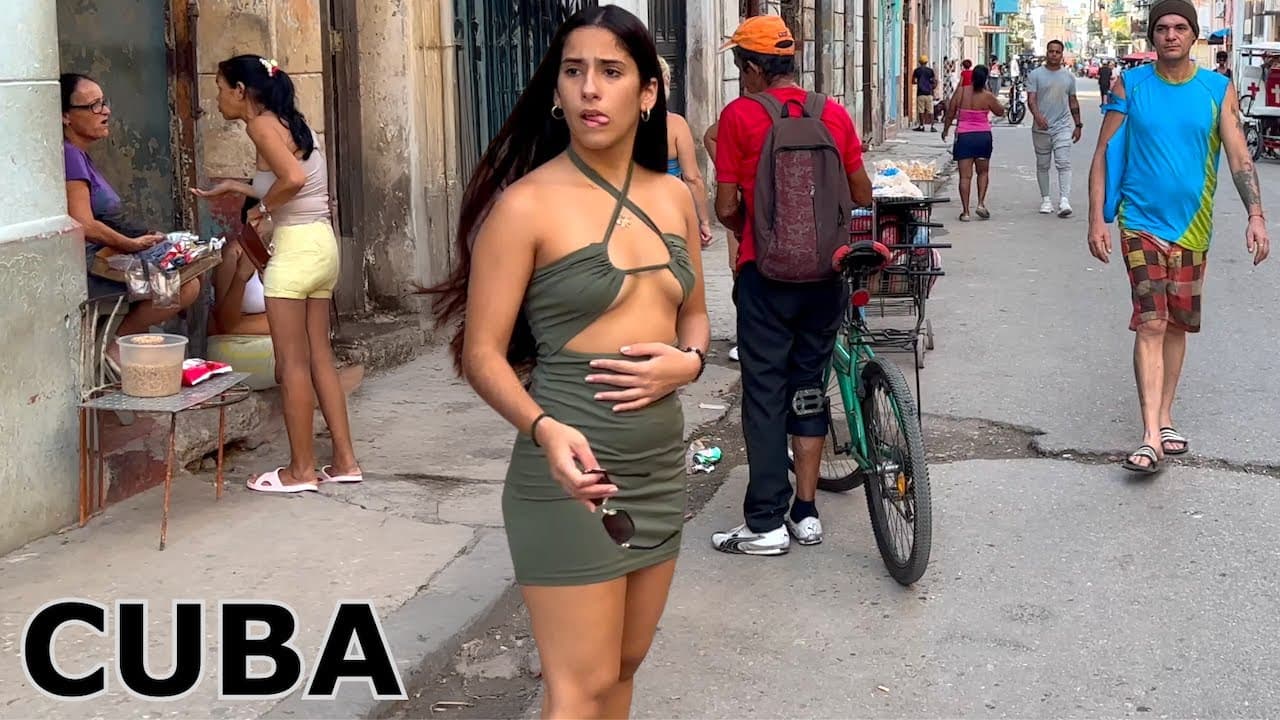
What happens on the streets of Cuba? While the romanticized version of Cuba, with its colorful streets, classic cars, and lively music, often dominates the tourist narrative, the real Cuba reflect a deeper, more complex reality. Here’s a closer look: 1. The Struggle for Basic Goods Long Lines and Shortages: The realities of living on the street in Cuba often mean waiting in long lines at stores to get basic necessities. Everything from food to toiletries can be in short supply. Residents often have to check multiple stores or markets to find what they need, and certain goods like cooking oil or soap can be hard to find for long periods. Ration Cards: Many people rely on the government’s ration system, which limits the amount of basic goods like rice, beans, and meat a person can purchase. These rations are not enough to meet all of a person’s needs, so Cubans often buy what they can on the black market, barter, or grow their own food in small urban gardens. Black Market Economy: The informal economy is a significant part of street life. You’ll see people selling everything from fresh produce to homemade goods or even services. In fact, many Cubans survive through small-scale businesses, like fixing cars, sewing clothes, or running small “paladares” (privately owned restaurants). 2. The Classic Cars Rolling History: The streets of Havana (and many other parts of Cuba) are filled with vintage American cars from the 1950s. These cars, often referred to as "Yank Tanks," are a striking feature of Cuban life. Locals have kept them running with creative repairs and ingenuity, and they serve as taxis or are used for personal transportation. Though many of these cars are in tourist-heavy areas, they also appear in the everyday neighborhoods of the city, where they’re essential for getting around. Makeshift Transportation: Outside of the classic cars, public transportation in Havana is underdeveloped. Buses are often overcrowded, and taxis are expensive. People commonly rely on almendrones (shared taxis), which are old cars that drive specific routes and pick up multiple passengers at once for a low fare. There’s also a robust network of bicycle taxis, horse-drawn carts, and people walking or riding bicycles. 3. Social Interactions Communities and Conversations: The streets of Cuba are more than just pathways, they’re spaces for social interaction. People frequently stop to chat with friends and neighbors, exchange news, or gossip. It’s common to see people sitting outside their homes in the evenings, enjoying the cooler air, and catching up with whoever passes by. The community is often very tight-knit, and it's not unusual for people to know each other by name, even in larger cities like Havana. Support Networks: People often rely on one another in practical ways, such as lending ingredients for a meal, sharing tools, or helping each other fix things. The sense of solidarity among Cubans, despite economic hardships, is palpable. 4. Street Vendors and Entrepreneurs DIY Commerce: On the streets, you'll find countless informal vendors selling everything from fruits and vegetables to homemade crafts and snacks. These vendors usually set up in areas with heavy foot traffic, trying to capitalize on both locals and tourists. Many of these sellers, like people selling cigars or paintings, are trying to make a living outside of state-controlled work. Street Food: Street food is a big part of daily life in Cuba. Tostones (fried plantains), pan con lechón (roast pork sandwiches), and empanadas are common street foods. These quick, affordable bites provide both sustenance and a bit of social space for people. The sellers often chat with their customers, making these interactions more about community than just commerce. 5. Environmental and Infrastructure Issues Decaying Infrastructure: The city’s infrastructure is aging and often in disrepair. Many buildings, especially in older neighborhoods like Habana Vieja, are crumbling, with peeling paint, broken windows, and rusted metalwork. Yet, there's a sense of pride in maintaining these structures, as they're part of Cuba’s history. Potholes and Street Maintenance: Roads can be poorly maintained, with large potholes making driving or even walking difficult. The lack of resources to repair infrastructure is often visible, especially in poorer districts. 00:00 Intro 00:38 The Real Havana 18:41 Havana Tourist Zone 30:44 Havana Carnival #havana #cuba #habana
About YouTube Real-Time View Count
With SocialCounts.org’s view counter, track your YouTube video’s live view count and YouTube likes count in real time with fast, reliable updates.
Watch every YouTube video live view count rise with our real-time YouTube views tracker—built for accuracy and minimal delay.
Follow YouTube real time views as they happen, using our dedicated view counter for YouTube videos.
Get up-to-date live view count on YouTube and see real-time growth with SocialCounts.org’s smart tracking tools.
Embed Widget
Parameters:
fullscreen=true- Fullscreen countergraph=true- Live graph chartcounter=0/1/2- Select counter (0=likes, 1=views, 2=comments)
URL
Click to copy the embed URL to your clipboard