

268
likes
12
comments
daily view 0
monthly view 0
Live Analytics
Comments 0
What Are The Differences Between Sidereal And Synodic Orbital Periods? Analytics Table
Income Estimates for What Are The Differences Between Sidereal And Synodic Orbital Periods?
Based on this YouTube video's total view count of 18.0K views and industry-standard rates, the estimated total earning is $13 - $36 through ad revenue. Historical data is not yet available to calculate daily, weekly, or monthly averages.
About What Are The Differences Between Sidereal And Synodic Orbital Periods?
Explore What Are The Differences Between Sidereal And Synodic Orbital Periods? with 18,096 views, 268 likes, and 12 comments. Experience the impact of this video content that has captured audience attention.
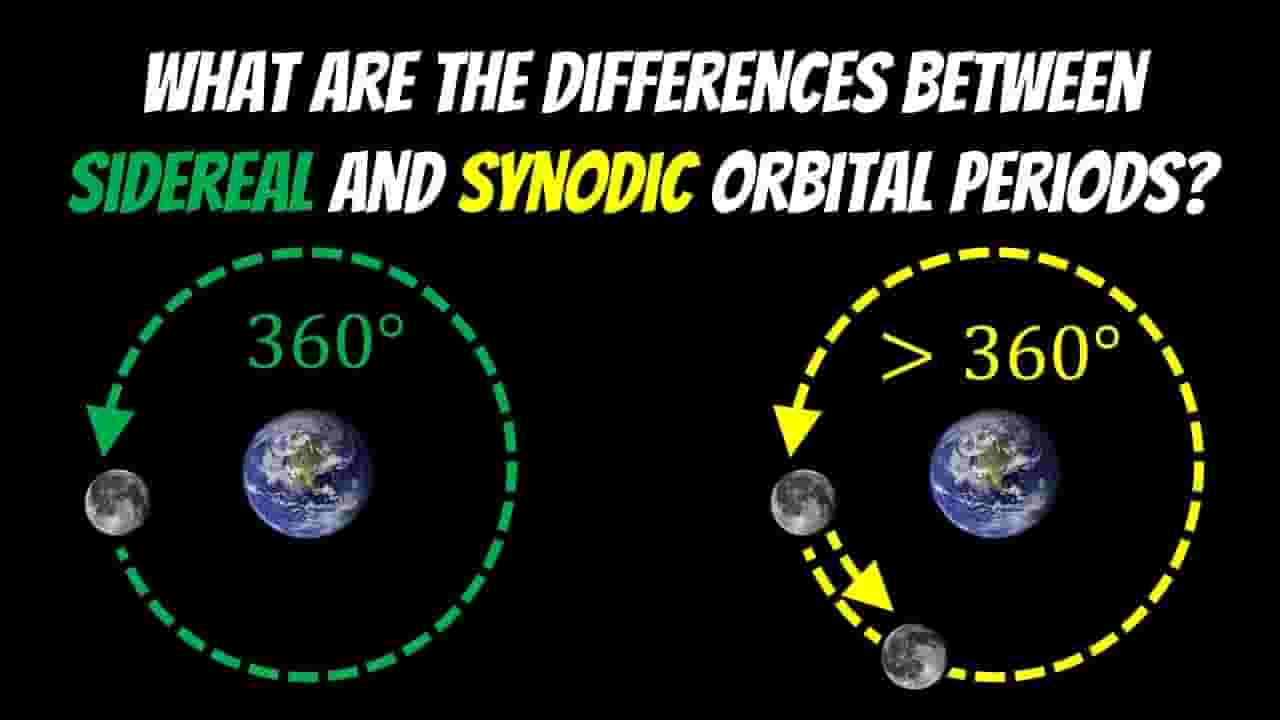
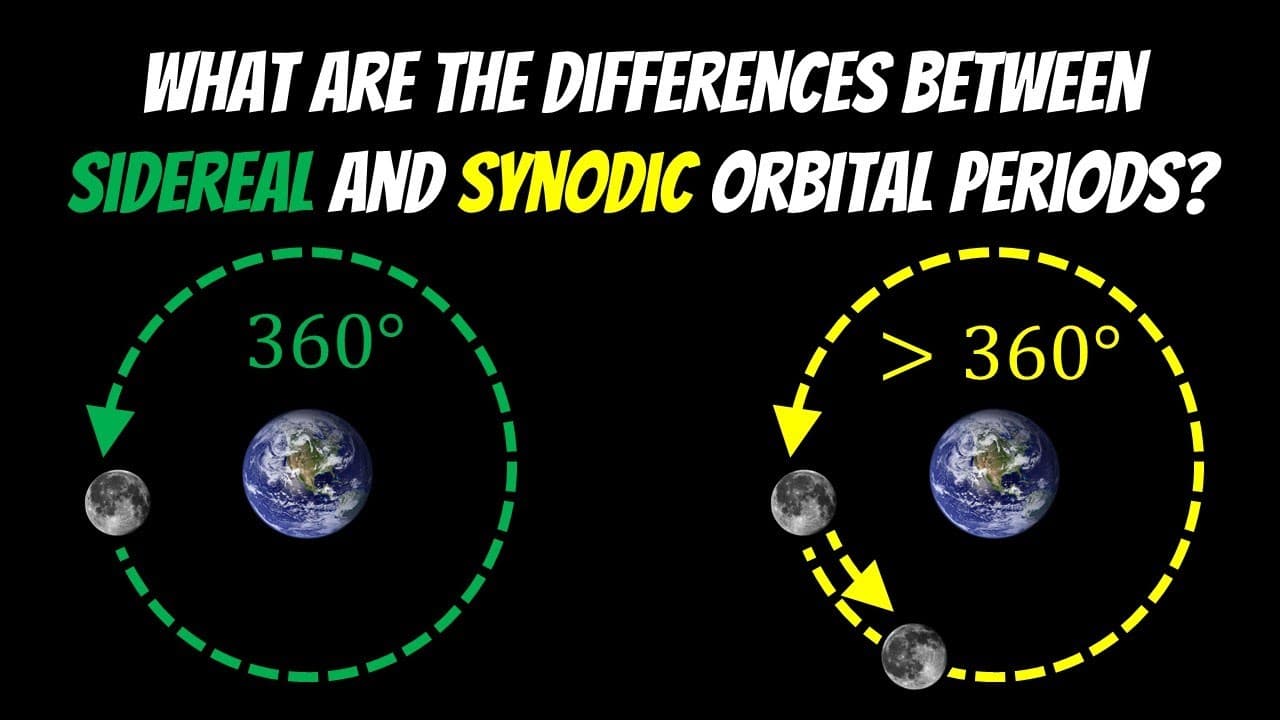
Help support this channel on Patreon: https://www.patreon.com/astrophil Join this channel to get access to perks: https://www.youtube.com/channel/UCEo5y4iVybEu7AZ1w2lJlEg/join Welcome, my name is Phil, and in this video I explain the differences between sidereal and synodic periods. Synodic and sidereal periods are terms used in astronomy to describe different types of time intervals related to the motion of celestial bodies, particularly planets and moons. Synodic Period: The synodic period refers to the time it takes for a celestial body, such as a planet, to complete one orbit relative to another body, typically Earth, as observed from a fixed point in space. In the case of planets, the synodic period is the time it takes for a planet to return to the same position relative to the Sun and Earth. For example, the synodic period of Mars is the time it takes for Mars to return to the same position in the sky relative to Earth and the Sun, which is approximately 780 days. Sidereal Period: The sidereal period, on the other hand, refers to the time it takes for a celestial body to complete one orbit around another body, typically a star, as measured relative to distant stars. Unlike the synodic period, which is measured relative to Earth's position, the sidereal period is measured relative to the fixed stars in the sky. For example, the sidereal period of Mars is the time it takes for Mars to complete one orbit around the Sun relative to the distant stars, which is approximately 687 Earth days. In summary, the synodic period is the time it takes for a celestial body to return to the same position relative to Earth and the Sun, while the sidereal period is the time it takes for a celestial body to complete one orbit relative to distant stars.
About YouTube Real-Time View Count
With SocialCounts.org’s view counter, track your YouTube video’s live view count and YouTube likes count in real time with fast, reliable updates.
Watch every YouTube video live view count rise with our real-time YouTube views tracker—built for accuracy and minimal delay.
Follow YouTube real time views as they happen, using our dedicated view counter for YouTube videos.
Get up-to-date live view count on YouTube and see real-time growth with SocialCounts.org’s smart tracking tools.
Embed Widget
Parameters:
fullscreen=true- Fullscreen countergraph=true- Live graph chartcounter=0/1/2- Select counter (0=likes, 1=views, 2=comments)
URL
Click to copy the embed URL to your clipboard