

7,560
likes
124
comments
daily view 0
monthly view 0
Live Analytics
Comments 0
2-Minute Neuroscience: Blood-Brain Barrier Analytics Table
Income Estimates for 2-Minute Neuroscience: Blood-Brain Barrier
Based on this YouTube video's total view count of 638K views and industry-standard rates, the estimated total earning is $447 - $1.27K through ad revenue. Historical data is not yet available to calculate daily, weekly, or monthly averages.
About 2-Minute Neuroscience: Blood-Brain Barrier
Explore 2-Minute Neuroscience: Blood-Brain Barrier with 638,146 views, 7,560 likes, and 124 comments. Experience the impact of this video content that has captured audience attention.
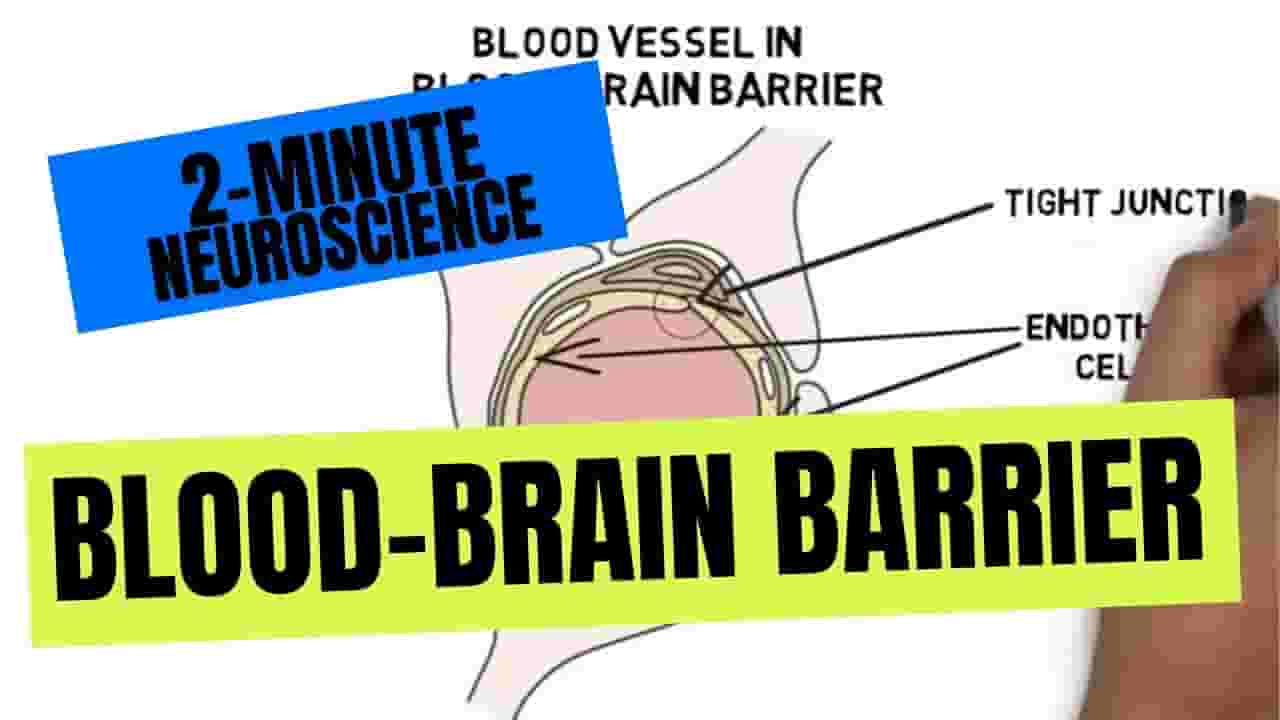
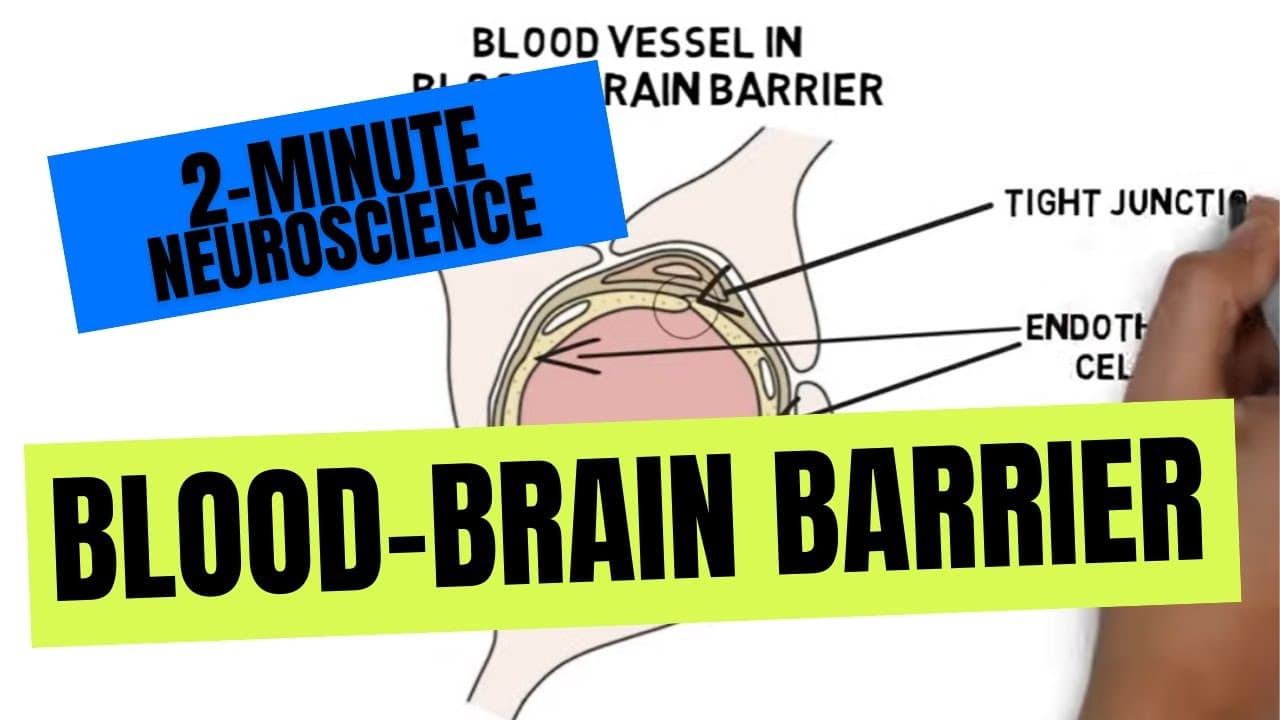
In this video, I discuss the blood-brain barrier, a complex that surrounds most of the blood vessels in the brain and protects the brain from potentially dangerous substances that might be circulating in the blood stream. I discuss the tight junctions of endothelial cells as one of the main structural components of the blood-brain barrier, as well as describe the contribution of astrocytic end-feet to the formation and maintenance of the blood-brain barrier. Finally, I discuss the circumventricular organs as structures in the brain that lack a blood-brain barrier. 🧠 Take your learning further with my free, self-paced Introduction to Neuroscience course featuring my videos, articles, and hundreds of quiz questions: https://neuroscientificallychallenged.com/course If you're looking for accessible and entertaining ways to learn more about the brain, check out my books: 📚Your Brain, Explained: What Neuroscience Reveals About Your Brain and its Quirks: https://www.amazon.com/Your-Brain-Explained-Neuroscience-Reveals/dp/1473696569/ 📚Bizarre: The Most Peculiar Cases of Human Behavior and What They Tell Us About How the Brain Works: https://www.amazon.com/Bizarre-Peculiar-Cases-Human-Behavior/dp/139980121X/ TRANSCRIPT: Welcome to 2 minute neuroscience, where I simplistically explain neuroscience topics in 2 minutes or less. In this installment I will discuss the blood-brain barrier. The blood-brain barrier is a complex that surrounds most of the blood vessels in the brain. It acts as a barrier between the bloodstream and the extracellular space of the brain, allowing only certain substances like water, oxygen, and small lipid-soluble substances to easily cross from the blood into the brain. This prevents toxins, pathogens, and other potentially dangerous substances from crossing from the circulatory system into the brain. It is thought that the central components of the structure of the blood-brain barrier are the tight junctions of endothelial cells, the cells that make up the interior surface of blood vessels. In other blood vessels throughout the body, there are small spaces between these endothelial cells; small blood-borne substances can pass through these spaces and into surrounding tissues. The endothelial cells that make up the blood-brain barrier, however, are fused tightly together to form tight junctions that restrict diffusion across the blood vessel lining. Glial cells called astrocytes also have projections called astrocytic end-feet that extend to the walls of blood vessels that are part of the blood-brain barrier. Astrocytic end-feet often completely surround blood vessels in the brain and are thought to play critical roles in the formation of the blood-brain barrier. For example, they seem to be involved with signaling that prompts endothelial cells to form the tight junctions necessary to create the blood-brain barrier and they are believed to have multiple functions involving the maintenance and regulation of the blood-brain barrier. The blood-brain barrier protects most of the blood vessels in the brain, but there are some areas that lack a blood-brain barrier, allowing substances to pass from the circulatory system to the brain and back. For example, the circumventricular organs are a group of structures lacking a blood-brain barrier that are centered around the ventricles of the brain. These structures are thought to be lacking a blood-brain barrier because their functions require access to the bloodstream. The posterior pituitary gland, for example, has to be able to release hormones directly into the bloodstream. REFERENCE: Ballabh P, Braun A, & Nedergaard M (2004). The blood-brain barrier: an overview: structure, regulation, and clinical implications. Neurobiology of disease, 16 (1), 1-13 PMID: 15207256
About YouTube Real-Time View Count
With SocialCounts.org’s view counter, track your YouTube video’s live view count and YouTube likes count in real time with fast, reliable updates.
Watch every YouTube video live view count rise with our real-time YouTube views tracker—built for accuracy and minimal delay.
Follow YouTube real time views as they happen, using our dedicated view counter for YouTube videos.
Get up-to-date live view count on YouTube and see real-time growth with SocialCounts.org’s smart tracking tools.
Embed Widget
Parameters:
fullscreen=true- Fullscreen countergraph=true- Live graph chartcounter=0/1/2- Select counter (0=likes, 1=views, 2=comments)
URL
Click to copy the embed URL to your clipboard