


79
likes
1
comments
daily view 0
monthly view 0
Live Analytics
Comments 0
Tips to control PCOS (Polycystic Ovarian Syndrome) in Marathi Analytics Table
Income Estimates for Tips to control PCOS (Polycystic Ovarian Syndrome) in Marathi
Based on this YouTube video's total view count of 2.63K views and industry-standard rates, the estimated total earning is $2 - $5 through ad revenue. Historical data is not yet available to calculate daily, weekly, or monthly averages.
About Tips to control PCOS (Polycystic Ovarian Syndrome) in Marathi
Explore Tips to control PCOS (Polycystic Ovarian Syndrome) in Marathi with 2,629 views, 79 likes, and 1 comments. Experience the impact of this video content that has captured audience attention.
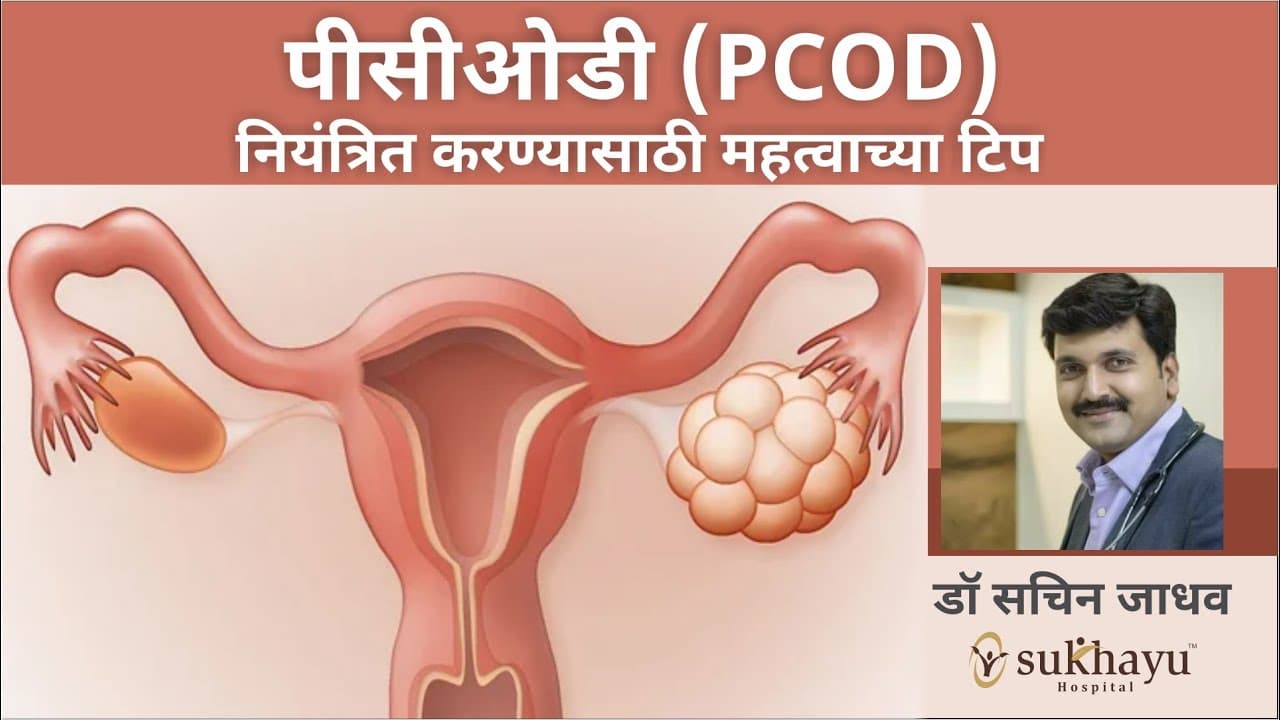
https://www.youtube.com/c/SachinJadhavDr Polycystic ovary syndrome (PCOS) is a problem with hormones that happens during the reproductive years. If you have PCOS, you may not have periods very often. Or you may have periods that last many days. You may also have too much of a hormone called androgen in your body. With PCOS, many small sacs of fluid develop along the outer edge of the ovary. These are called cysts. The small fluid-filled cysts contain immature eggs. These are called follicles. The follicles fail to regularly release eggs. The exact cause of PCOS is unknown. Early diagnosis and treatment along with weight loss may lower the risk of long-term complications such as type 2 diabetes and heart disease. Symptoms Symptoms of PCOS often start around the time of the first menstrual period. Sometimes symptoms develop later after you have had periods for a while. The symptoms of PCOS vary. A diagnosis of PCOS is made when you have at least two of these: Irregular periods. Having few menstrual periods or periods that aren't regular are common signs of PCOS. So is having periods that last for many days or longer than is typical for a period. For example, you might have fewer than nine periods a year. And those periods may occur more than 35 days apart. You may have trouble getting pregnant. Too much androgen. High levels of the hormone androgen may result in excess facial and body hair. This is called hirsutism. Sometimes, severe acne and male-pattern baldness can happen, too. Polycystic ovaries. Your ovaries might be bigger. Many follicles containing immature eggs may develop around the edge of the ovary. The ovaries might not work the way they should. PCOS signs and symptoms are typically more severe in people with obesity. When to see a doctor See your healthcare provider if you're worried about your periods, if you're having trouble getting pregnant, or if you have signs of excess androgen. These might include new hair growth on your face and body, acne and male-pattern baldness. Causes The exact cause of PCOS isn't known. Factors that might play a role include: Insulin resistance. Insulin is a hormone that the pancreas makes. It allows cells to use sugar, your body's primary energy supply. If cells become resistant to the action of insulin, then blood sugar levels can go up. This can cause your body to make more insulin to try to bring down the blood sugar level. Too much insulin might cause your body to make too much of the male hormone androgen. You could have trouble with ovulation, the process where eggs are released from the ovary. One sign of insulin resistance is dark, velvety patches of skin on the lower part of the neck, armpits, groin or under the breasts. A bigger appetite and weight gain may be other signs. Low-grade inflammation. White blood cells make substances in response to infection or injury. This response is called low-grade inflammation. Research shows that people with PCOS have a type of long-term, low-grade inflammation that leads polycystic ovaries to produce androgens. This can lead to heart and blood vessel problems. Heredity. Research suggests that certain genes might be linked to PCOS. Having a family history of PCOS may play a role in developing the condition. Excess androgen. With PCOS, the ovaries may produce high levels of androgen. Having too much androgen interferes with ovulation. This means that eggs don't develop on a regular basis and aren't released from the follicles where they grow. Excess androgen also can result in hirsutism and acne. Complications Complications of PCOS can include: Infertility Gestational diabetes or pregnancy-induced high blood pressure Miscarriage or premature birth Nonalcoholic steatohepatitis — a severe liver inflammation caused by fat buildup in the liver Metabolic syndrome — a cluster of conditions including high blood pressure, high blood sugar, and unhealthy cholesterol or triglyceride levels that significantly increase your risk of heart and blood vessel (cardiovascular) disease Type 2 diabetes or prediabetes Sleep apnea Depression, anxiety and eating disorders Cancer of the uterine lining (endometrial cancer) Obesity commonly occurs with PCOS and can worsen complications of the disorder.
About YouTube Real-Time View Count
With SocialCounts.org’s view counter, track your YouTube video’s live view count and YouTube likes count in real time with fast, reliable updates.
Watch every YouTube video live view count rise with our real-time YouTube views tracker—built for accuracy and minimal delay.
Follow YouTube real time views as they happen, using our dedicated view counter for YouTube videos.
Get up-to-date live view count on YouTube and see real-time growth with SocialCounts.org’s smart tracking tools.
Embed Widget
Parameters:
fullscreen=true- Fullscreen countergraph=true- Live graph chartcounter=0/1/2- Select counter (0=likes, 1=views, 2=comments)
URL
Click to copy the embed URL to your clipboard