

25,646
likes
1,143
comments
daily view 0
monthly view 0
Live Analytics
Comments 0
Tornike the Georgian - Epic Byzantine Music Analytics Table
Income Estimates for Tornike the Georgian - Epic Byzantine Music
Based on this YouTube video's total view count of 2.01M views and industry-standard rates, the estimated total earning is $1.41K - $4.02K through ad revenue. Historical data is not yet available to calculate daily, weekly, or monthly averages.
About Tornike the Georgian - Epic Byzantine Music
Explore Tornike the Georgian - Epic Byzantine Music with 2,013,472 views, 25,646 likes, and 1,143 comments. Experience the impact of this video content that has captured audience attention.
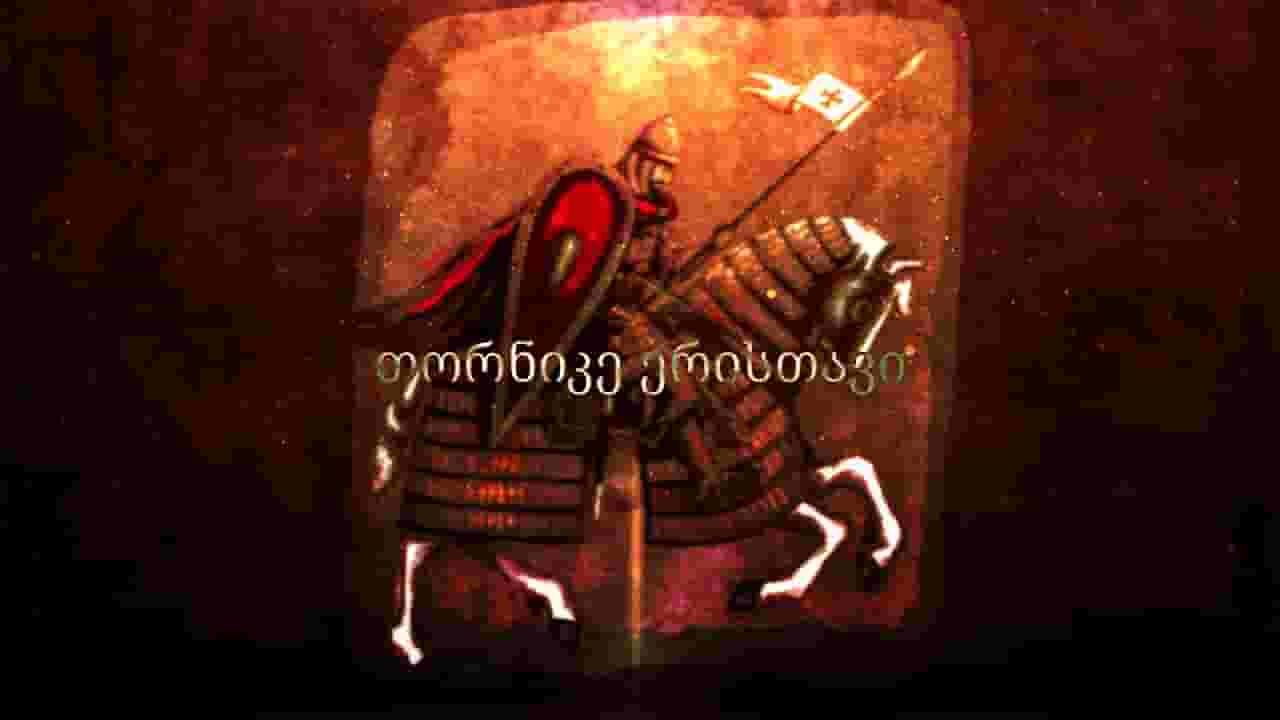
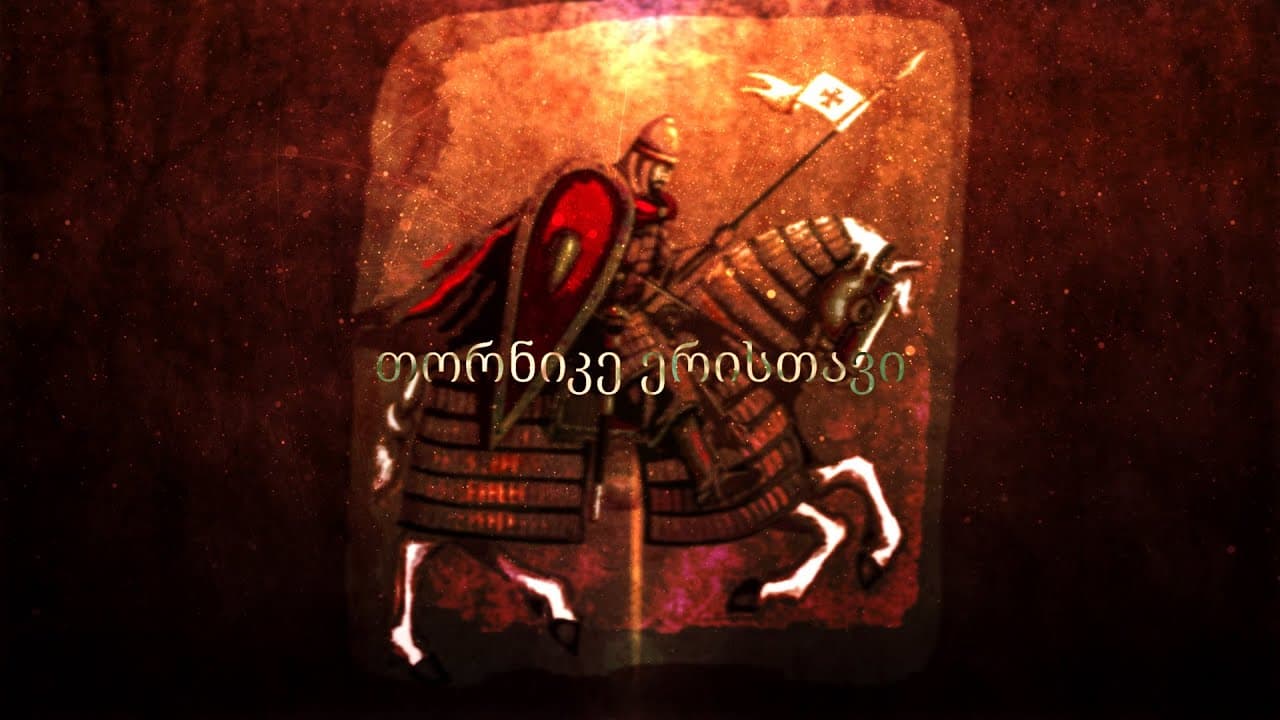
Tsambouna by Dimitris Athanasopoulos of the @dimitris_athanasopoulos Noise channel (check out more of his awesome music there) music and vocals by Farya Faraji, based on Georgian folk motifs. The Epic Byzantine series is a project that uses the sounds of the current, living heritage of Greek traditional music to explore the themes, myths, and folklore that originated in the medieval Eastern Roman (Byzantine) period. These works are not reconstructions of medieval Greek music, nor "epic music" in a cinematic soundtrack sense, but an ethnomusicological project reflecting the living tradition of Greek music as it exists today. The repertoire of Greek traditional music is a direct continuation of the narrative traditions that crystallised in the Byzantine period, including the Akritic songs and other local legends. Likewise, Greek traditional music continues the modal and monophonic musical language of medieval Greece, preserved in forms such as Byzantine chant. The Epic Byzantine series therefore explores Byzantine-era epic narratives through today's Greek traditional music, understood as a direct continuation of that earlier cultural and musical world. I wanted to try my hand at a bit of Georgian music, and the history of Tornike Eristavi was a fascinating one to do it with. Tornike Eristavi was a 10th century Georgian noble and military general with a successful military career in his native homeland. However, he retired and became a monk at the end of his life, traveling to Greece where he settled, and founded the Iviron monastery on Mount Athos. The song follows the basic conventions of different styles of Georgian folk music, namely the gandagana and acharuli dance forms, many of them typical of the Adjarian region. These musical forms are defined by a triple metre and similar melodic progressions also found in neighbouring cultures. Traditionally, that is before the arrival of instruments due to Russian influence like the accordion, Georgian bagpipes were one of the main instruments in these genres, although we used a tsambouna here, played by Dimitris, to represent the Greco-Georgian musical fusion of the subject. The second instrument in use is the panduri, a Georgian lute played both melodically, and to provide basic chord progressions to the song. The final component is the usage of the famous Georgian polyphony, one of the oldest and most renowned uses of harmony in the world. Traditional Georgian harmony is characterised by drone harmony: a voice sings the fully fledged melody whilst other voices support the main vocals by repeating the same notes over a span of time, creating various harmonic intervals, usually based on fourths and fifths. The main chorus sings a passage from the epic Georgian poem: The Knight in the Panther's Skin, one of the defining monuments of Georgian literature from the Georgian Golden Age of the 11th and 13th century when the Kingdom of Georgia reached an unprecedented peak of advancement. It was written by Shota Rustaveli, now regarded as a national poet of the Georgians. Lyrics in Greek and Georgian: Απ' τα βάθη μακριά, απ' την Ανατολή, ah! Απ' τα βάθη μακριά Tα Άλογα με έφεραν εδώ Κατάγομαι από τα βουνά της ιβηρίας, Kαι τα βουνά τραγουδούν: რასაცა გასცემ შენია, რას არა დაკარგულია Mε έλεγαν εριστάβι, მეომარი Mε έλεγαν θάνατο, Tornike τοv κόκκινο, Kαι ξέχασα τα σοφά λόγια: რასაცა გასცემ შენია, რას არა დაკარგულია ნახვამდის თორნიკე πολεμιστής, τοv κόκκινο, ნახვამდის πατρίδα μου, ნახვამდის αχ βουνά μου! Tώρα ο δρόμος μου είναι ο δρόμος της αγάπης, Kαι ζω με αυτά τα λόγια των βουνών: რასაცა გასცემ შენია, რას არა დაკარგულია English translation: From the faraway depths, from the East, From the faraway depths, horses have brought me here, I came from the mountains of Iberia* And those mountains, they sang: "That which we give makes us richer, that which is hoarded is lost." They called me general, warrior, They called me Tornike the red-stained. And I had forgotten those wise words: "That which we give makes us richer, that which is hoarded is lost." Farewell Tornike the warrior, the red-stained, Farewelll, my homeland, farewell, my mountains, Now my road is the road of love, And I shall live by these words of the mountains: "That which we give makes us richer, that which is hoarded is lost." *Iberia here refers to the Georgian lands in the Caucasus, a name which was given to it in the West. It is distinct from the Iberian peninsula in Southwestern Europe.
About YouTube Real-Time View Count
With SocialCounts.org’s view counter, track your YouTube video’s live view count and YouTube likes count in real time with fast, reliable updates.
Watch every YouTube video live view count rise with our real-time YouTube views tracker—built for accuracy and minimal delay.
Follow YouTube real time views as they happen, using our dedicated view counter for YouTube videos.
Get up-to-date live view count on YouTube and see real-time growth with SocialCounts.org’s smart tracking tools.
Embed Widget
Parameters:
fullscreen=true- Fullscreen countergraph=true- Live graph chartcounter=0/1/2- Select counter (0=likes, 1=views, 2=comments)
URL
Click to copy the embed URL to your clipboard