

576
likes
77
comments
daily view 0
monthly view 0
Live Analytics
Comments 0
Indian History Episode 18 | How Chanakya found Chandragupta | In Telugu By Karthik Bharatham Analytics Table
Income Estimates for Indian History Episode 18 | How Chanakya found Chandragupta | In Telugu By Karthik Bharatham
Based on this YouTube video's total view count of 18.0K views and industry-standard rates, the estimated total earning is $13 - $36 through ad revenue. Historical data is not yet available to calculate daily, weekly, or monthly averages.
About Indian History Episode 18 | How Chanakya found Chandragupta | In Telugu By Karthik Bharatham
Explore Indian History Episode 18 | How Chanakya found Chandragupta | In Telugu By Karthik Bharatham with 18,090 views, 576 likes, and 77 comments. Experience the impact of this video content that has captured audience attention.
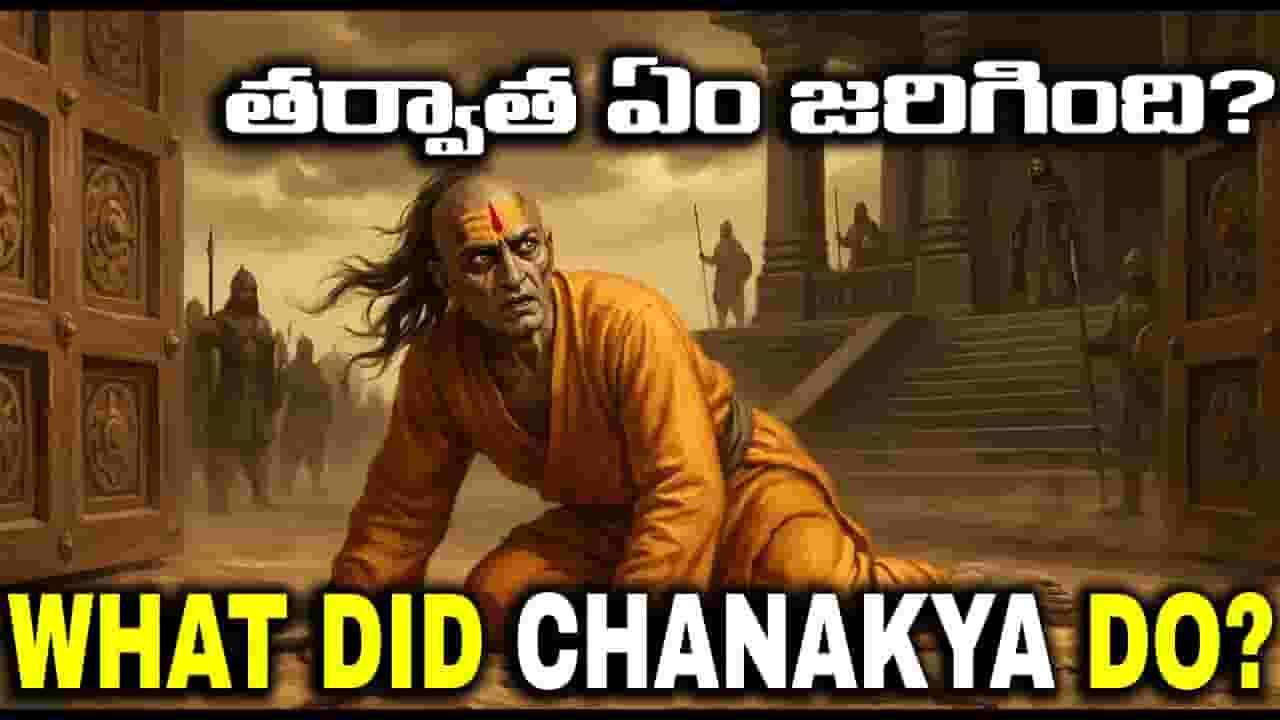
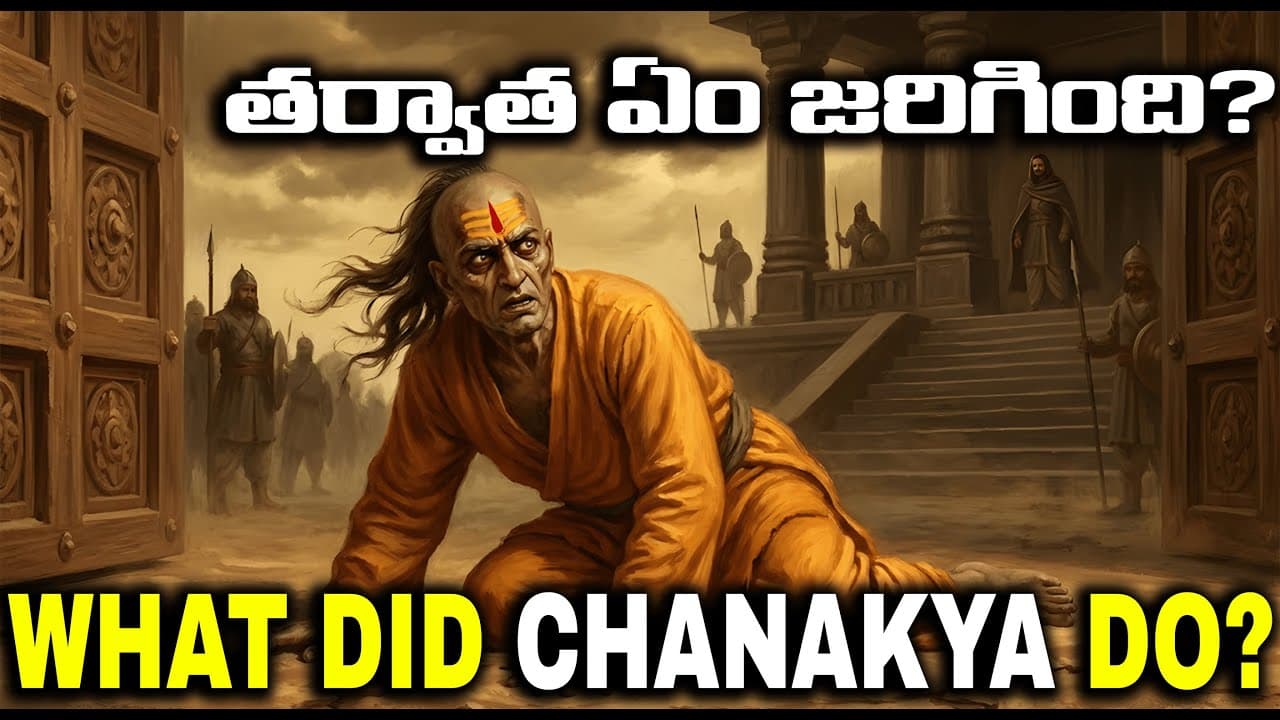
In this episode, we witness the birth of a revolution. After being brutally insulted in the court of Dhana Nanda, Chanakya unties his Shikha and swears a terrifying oath: he will not rest until the Nanda dynasty is destroyed root and branch. But a teacher cannot fight a war alone—he needs a weapon. Follow Chanakya’s desperate escape into the Vindhya forests, his discovery of a mysterious boy playing "King" among commoners, and the brutal training regime at Takshashila that turned a village boy into the lethal warrior known as Chandragupta Maurya. The episode concludes with a heart-stopping cliffhanger: The young lion, Chandragupta, walks into the lion's den to face the world conqueror himself—Alexander the Great. Timestamps: 0:00 - The Vow of Destruction (Chanakya’s Oath) 04:12 - The Escape & The Kusha Grass Incident 08:25 - The Game of Kings (Finding Chandragupta) 12:40 - The Deal: Buying a Future Emperor 16:15 - The Forge: Brutal Training at Takshashila 20:50 - The Poison Ritual (Mithridatism) 24:30 - Face to Face: Chandragupta Meets Alexander 📚 Sources & Historical Citations This narrative is constructed using a blend of Buddhist, Jain, and Greek historical records. Below is the section-by-section breakdown of the sources used in this video. 1. The Oath & The Escape The Insult & Vow: Based on the Sanskrit play Mudrarakshasa by Visakhadatta. It dramatizes Chanakya’s public humiliation and his vow to keep his hair untied until Nanda is destroyed. The "Kusha Grass" Incident: Sourced from the Jain text Parishishtaparvan (also known as Sthaviravali Charitra) by Hemachandra. It illustrates Chanakya’s vengeful nature—destroying the grass from its roots with sugar water to attract ants. 2. Finding Chandragupta (The Game of Kings) Rajakilam (The Game): Sourced from the Buddhist chronicle Mahavamsa (Chapter 5). It describes Chanakya spotting a young boy playing a game called Rajakilam, where he acted as a King judging his peers with natural authority. The Transaction: The Mahavamsa Tika (Commentary) mentions Chanakya paying 1,000 Kahapanas (ancient coins) to Chandragupta’s foster father (a hunter/herdsman) to adopt him. 3. Chandragupta’s Lineage (The Backstory) Moriya/Kshatriya Origin: According to the Mahavamsa and Digha Nikaya (Mahaparinibbana Sutta), Chandragupta belonged to the Moriya Clan, a branch of the noble Sakya Kshatriyas (the same lineage as Gautama Buddha), whose father was killed in a border war. The "Peacock" Connection: The name "Maurya" is often linked to the region of Pipphalivana (place of peacocks) or his caretakers who were peacock tamers (Mayura-poshaka), as per Jain traditions. 4. The Training (Takshashila & Poison) Takshashila Education: Historical consensus, supported by Buddhist texts, states that Chanakya took the boy to Takshashila (modern-day Pakistan) for 7-8 years of education in the arts of war and governance (Arthashastra). The Poisoning (Mithridatism): The practice of feeding small doses of poison to the King to build immunity is a well-documented statecraft strategy in ancient India. This specific legend is found in the Parishishtaparvan and later elaborated in the Mudrarakshasa. 5. The Meeting with Alexander Historical Proof: The meeting between Chandragupta and Alexander is recorded by ancient Greek historians. Plutarch (Life of Alexander, 62): States that "Androcottus" (Chandragupta), then a youth, saw Alexander and later commented that Alexander could have easily conquered India because the Nanda King was hated for his "wickedness and low birth." Justin (Epitome of Pompeius Trogus, XV.4): Records that Chandragupta offended Alexander with his boldness and barely escaped execution. The "Barber" Insult: Greek sources (Curtius Rufus, Diodorus Siculus) corroborate the Indian claim that the Nanda King (Agrammes/Xandrames) was the son of a barber, which Chandragupta used to undermine Nanda's legitimacy. Disclaimer: This video is a dramatic storytelling presentation based on historical texts, folklore, and legends. While major events (The Vow, The Training, The Meeting with Alexander) are historically grounded, specific dialogues and scene compositions are dramatized for narrative engagement. #Chanakya #ChandraguptaMaurya #HistoryOfIndia #AlexanderTheGreat #Geopolitics #IndianHistory
About YouTube Real-Time View Count
With SocialCounts.org’s view counter, track your YouTube video’s live view count and YouTube likes count in real time with fast, reliable updates.
Watch every YouTube video live view count rise with our real-time YouTube views tracker—built for accuracy and minimal delay.
Follow YouTube real time views as they happen, using our dedicated view counter for YouTube videos.
Get up-to-date live view count on YouTube and see real-time growth with SocialCounts.org’s smart tracking tools.
Embed Widget
Parameters:
fullscreen=true- Fullscreen countergraph=true- Live graph chartcounter=0/1/2- Select counter (0=likes, 1=views, 2=comments)
URL
Click to copy the embed URL to your clipboard