

8,516
likes
111
comments
daily view 0
monthly view 0
Live Analytics
Comments 0
Blood Brain Barrier, Animation Analytics Table
Income Estimates for Blood Brain Barrier, Animation
Based on this YouTube video's total view count of 415K views and industry-standard rates, the estimated total earning is $291 - $831 through ad revenue. Historical data is not yet available to calculate daily, weekly, or monthly averages.
About Blood Brain Barrier, Animation
Explore Blood Brain Barrier, Animation with 415,408 views, 8,516 likes, and 111 comments. Experience the impact of this video content that has captured audience attention.
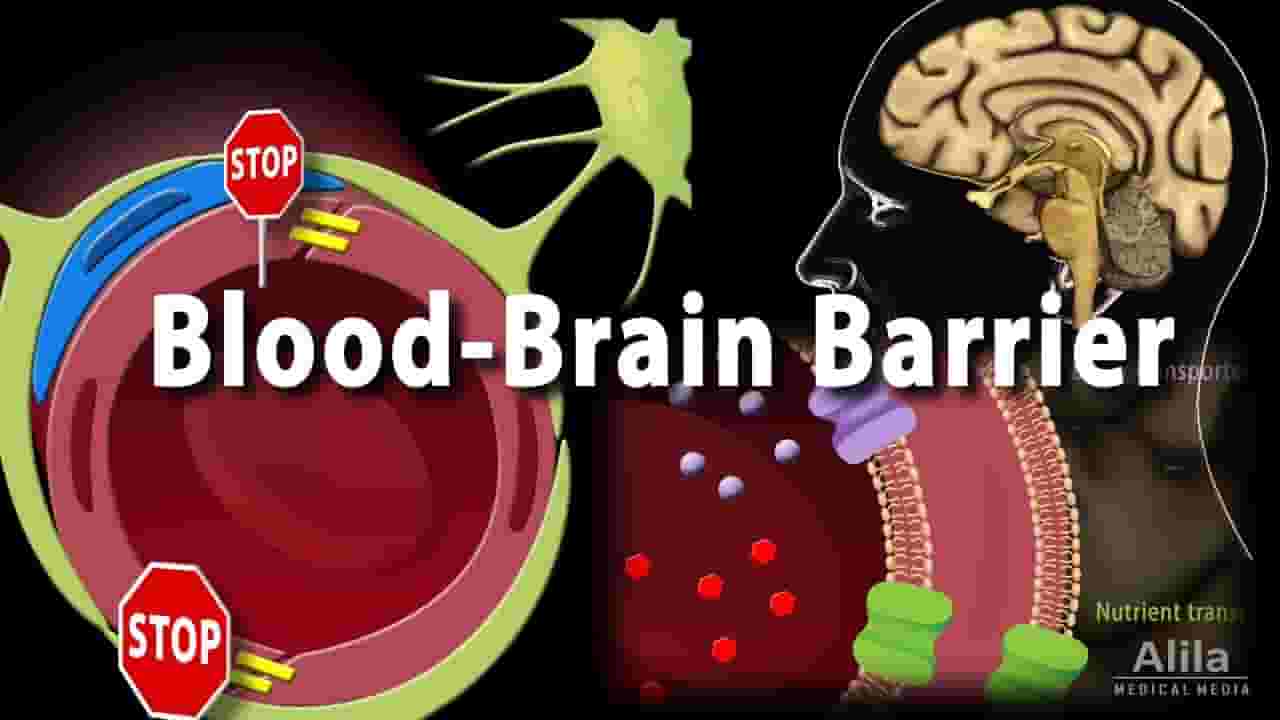
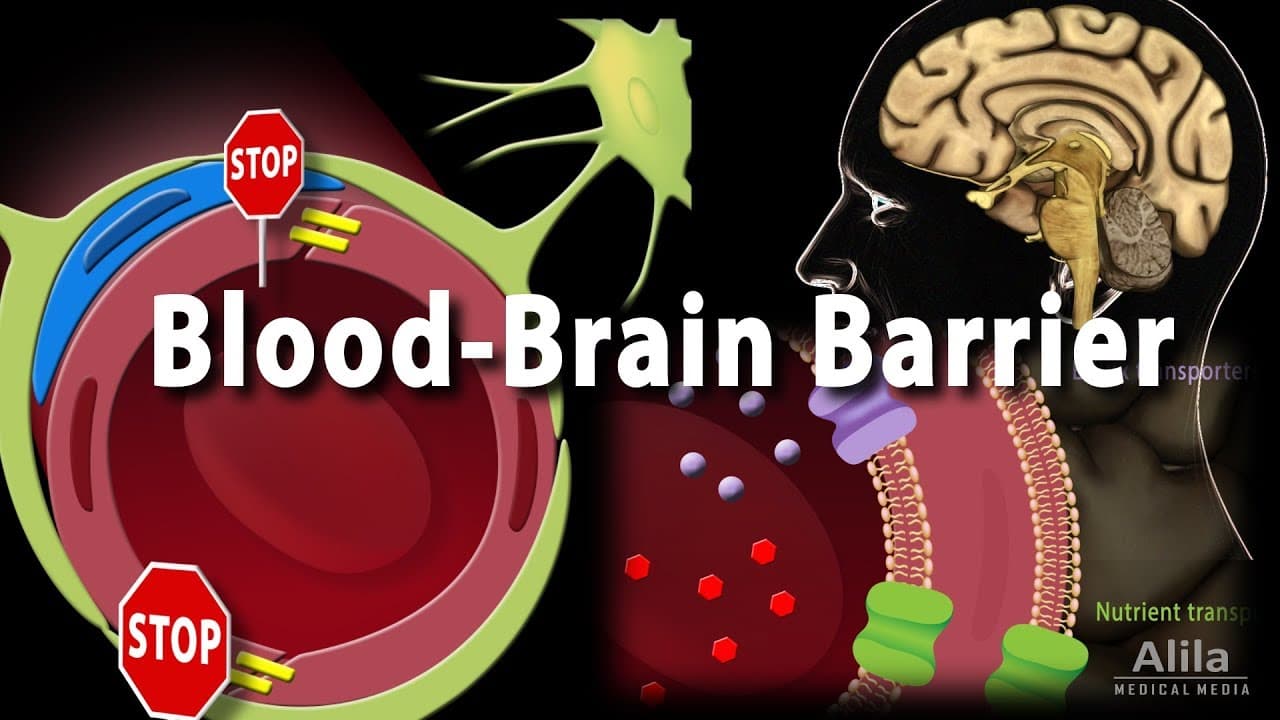
(USMLE topics) Structure, functions of the BBB. Physical, transport and metabolic barriers. Non-barrier areas. Strategies to overcome the barrier, to deliver therapeutic drugs into the brain. Purchase a license to download a non-watermarked version of this video on AlilaMedicalMedia(dot)com Check out our new Alila Academy - AlilaAcademy(dot)com - complete video courses with quizzes, PDFs, and downloadable images. ©Alila Medical Media. All rights reserved. Voice by: Ashley Fleming All images/videos by Alila Medical Media are for information purposes ONLY and are NOT intended to replace professional medical advice, diagnosis or treatment. Always seek the advice of a qualified healthcare provider with any questions you may have regarding a medical condition. The blood-brain barrier refers to the highly selective permeability of blood vessels within the central nervous system. The barrier controls substances that can enter or leave the nervous tissue. It helps maintain the stable state, or homeostasis, of brain tissue, amid the fluctuations of circulating substances in the blood, many of which can act as neurotransmitters and could create chaos in neuronal activities if allowed to diffuse freely into the brain. The barrier also protects the brain from blood-borne pathogens and toxins. The blood-brain barrier is composed of several cell types, including: - Endothelial cells that form the wall of blood vessels; - Mural cells, namely pericytes, partially covering the outside of endothelial cells; - And glial cells astrocytes, whose extended processes, called end-feet, wrap around the vessels. The endothelial cells alone can fulfill the functions of the blood-brain barrier, but their interactions with the adjacent cells seem to be required for its formation, maintenance and regulation. The brain endothelial cells, unlike their counterparts in other tissues, possess unique properties that allow them to tightly control the passage of substances between the blood and brain. These properties can be classified into physical, transport, and metabolic categories: - The brain endothelial cells are held together by tight junctions, which serve as physical barriers, preventing movements of substances through the space between cells. - They have very low rates of vesicle-mediated transcellular transport. - They control the movement of ions and substances with specific transporters, of which there are two major types: efflux transporters and nutrient transporters: + Efflux transporters use cellular energy to move substances against their concentration gradient. These transporters are usually located on the blood side of endothelial cells. They transport lipophilic molecules, which have passively diffused through the cell membrane, back to the blood. + Nutrient transporters, on the other hand, facilitate the movement of nutrients, such as glucose and essential amino acids, into the brain, down their concentration gradient. - The brain endothelial cells also contains a number of enzymes that metabolize, and thus inactivate, certain neurotransmitters, drugs and toxins, preventing them from entering the brain. An intact blood-brain barrier is critical for normal brain functions. Neurological diseases such as encephalitis, multiple sclerosis, brain traumas, Alzheimer's disease, epilepsy, strokes and tumors, can breach the barrier, and this, in turn, contributes to disease pathology and further progression. But not all areas of the brain have the blood-brain barrier. Some brain structures are involved in hormonal control and require better access to systemic blood, so they can detect changes in circulating signals and respond accordingly. These non-barrier areas are located around the midline of the ventricular system, and are known as circumventricular organs. Some of their bordering regions have a leaky barrier. The blood-brain barrier also has its downside. While it protects the brain from unwanted drugs and toxins, it also prevents therapeutic drugs from entering the central nervous system to treat diseases. Several strategies are developed to overcome this obstacle.
About YouTube Real-Time View Count
With SocialCounts.org’s view counter, track your YouTube video’s live view count and YouTube likes count in real time with fast, reliable updates.
Watch every YouTube video live view count rise with our real-time YouTube views tracker—built for accuracy and minimal delay.
Follow YouTube real time views as they happen, using our dedicated view counter for YouTube videos.
Get up-to-date live view count on YouTube and see real-time growth with SocialCounts.org’s smart tracking tools.
Embed Widget
Parameters:
fullscreen=true- Fullscreen countergraph=true- Live graph chartcounter=0/1/2- Select counter (0=likes, 1=views, 2=comments)
URL
Click to copy the embed URL to your clipboard