

45,721
likes
9,316
comments
daily view 0
monthly view 0
Live Analytics
Comments 0
English Patriotic Song - I Vow to Thee, My Country Analytics Table
Income Estimates for English Patriotic Song - I Vow to Thee, My Country
Based on this YouTube video's total view count of 5.74M views and industry-standard rates, the estimated total earning is $4.02K - $11.4K through ad revenue. Historical data is not yet available to calculate daily, weekly, or monthly averages.
About English Patriotic Song - I Vow to Thee, My Country
Explore English Patriotic Song - I Vow to Thee, My Country with 5,742,387 views, 45,721 likes, and 9,316 comments. Experience the impact of this video content that has captured audience attention.
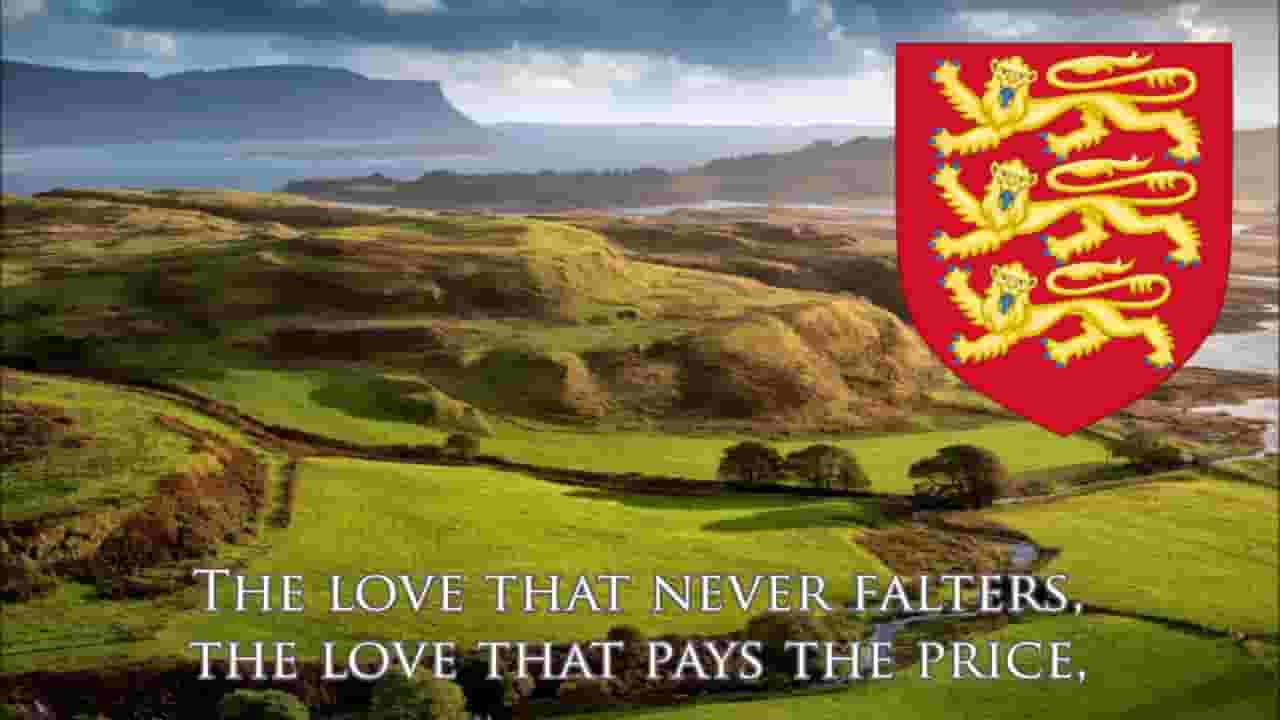
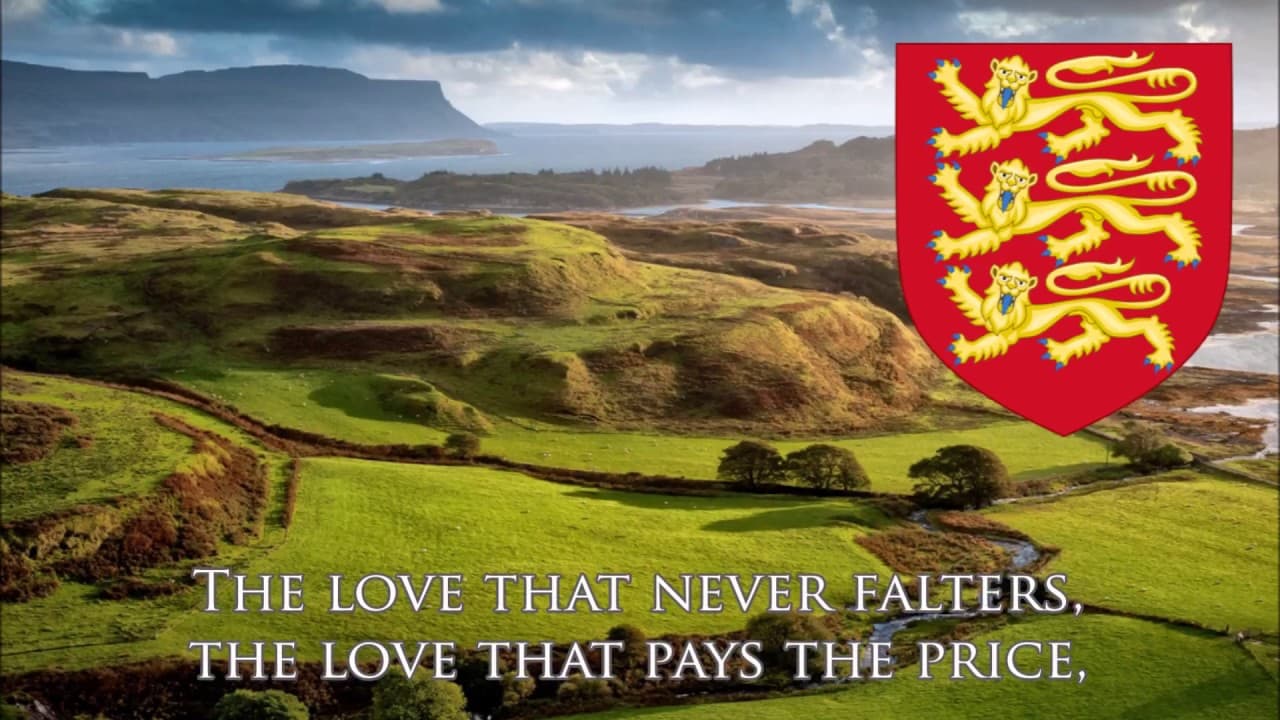
Land of Hope and Glory: https://youtu.be/9U6IXugpPYc Our Discord group: https://discord.gg/hQksrRv "I Vow to Thee, My Country" is a British hymn (patriotic song), created in 1921, when a poem by Sir Cecil Spring Rice was set to music by Gustav Holst. The origin of the hymn's text is a poem by diplomat Sir Cecil Spring Rice, which he wrote in 1908 or 1912, entitled Urbs Dei ("The City of God") or The Two Fatherlands. The poem described how a Christian owes his loyalties to both his homeland and the heavenly kingdom. In 1908, Spring Rice was posted to the British Embassy in Stockholm. In 1912, he was appointed as Ambassador to the United States of America, where he influenced the administration of Woodrow Wilson to abandon neutrality and join Britain in the war against Germany. After the United States entered the war, he was recalled to Britain. Shortly before his departure from the US in January 1918, he re-wrote and renamed Urbs Dei, significantly altering the first verse to concentrate on the themes of love and sacrifice rather than "the noise of battle" and "the thunder of her guns", creating a more sombre tone in view of the dreadful loss of life suffered in the Great War. The first verse in both versions invoke Britain (in the 1912 version anthropomorphised as Britannia with sword and shield, in the second version simply called "my country"), the second verse the Kingdom of Heaven. According to Sir Cecil's granddaughter, the rewritten verse of 1918 was never intended to appear alongside the first verse of the original poem, but was replacing it; the original first verse is nevertheless sometimes known as the "rarely sung middle verse". The text of the original poem was sent by Spring Rice to William Jennings Bryan in a letter shortly before his death in February 1918. The poem circulated privately for a few years, until it was set to music by Holst, to a tune he adapted from his Jupiter to fit the words of the poem. It was performed as a unison song with orchestra in the early 1920s, and it was finally published as a hymn in 1925/6 in the Songs of Praise hymnal (no. 188).
About YouTube Real-Time View Count
With SocialCounts.org’s view counter, track your YouTube video’s live view count and YouTube likes count in real time with fast, reliable updates.
Watch every YouTube video live view count rise with our real-time YouTube views tracker—built for accuracy and minimal delay.
Follow YouTube real time views as they happen, using our dedicated view counter for YouTube videos.
Get up-to-date live view count on YouTube and see real-time growth with SocialCounts.org’s smart tracking tools.
Embed Widget
Parameters:
fullscreen=true- Fullscreen countergraph=true- Live graph chartcounter=0/1/2- Select counter (0=likes, 1=views, 2=comments)
URL
Click to copy the embed URL to your clipboard