

88
likes
51
comments
daily view 0
monthly view 0
Live Analytics
Comments 0
The Long March: Mao's Journey to Power Analytics Table
Income Estimates for The Long March: Mao's Journey to Power
Based on this YouTube video's total view count of 5.81K views and industry-standard rates, the estimated total earning is $4 - $12 through ad revenue. Historical data is not yet available to calculate daily, weekly, or monthly averages.
About The Long March: Mao's Journey to Power
Explore The Long March: Mao's Journey to Power with 5,809 views, 88 likes, and 51 comments. Experience the impact of this video content that has captured audience attention.
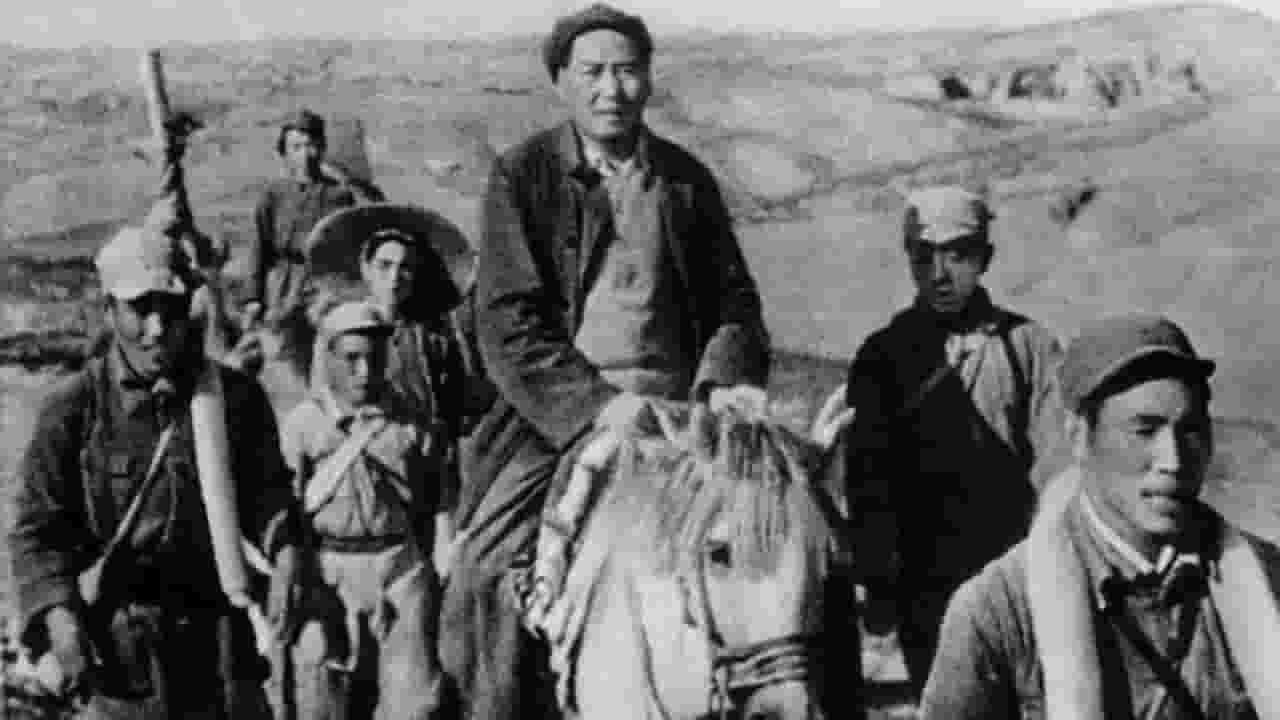
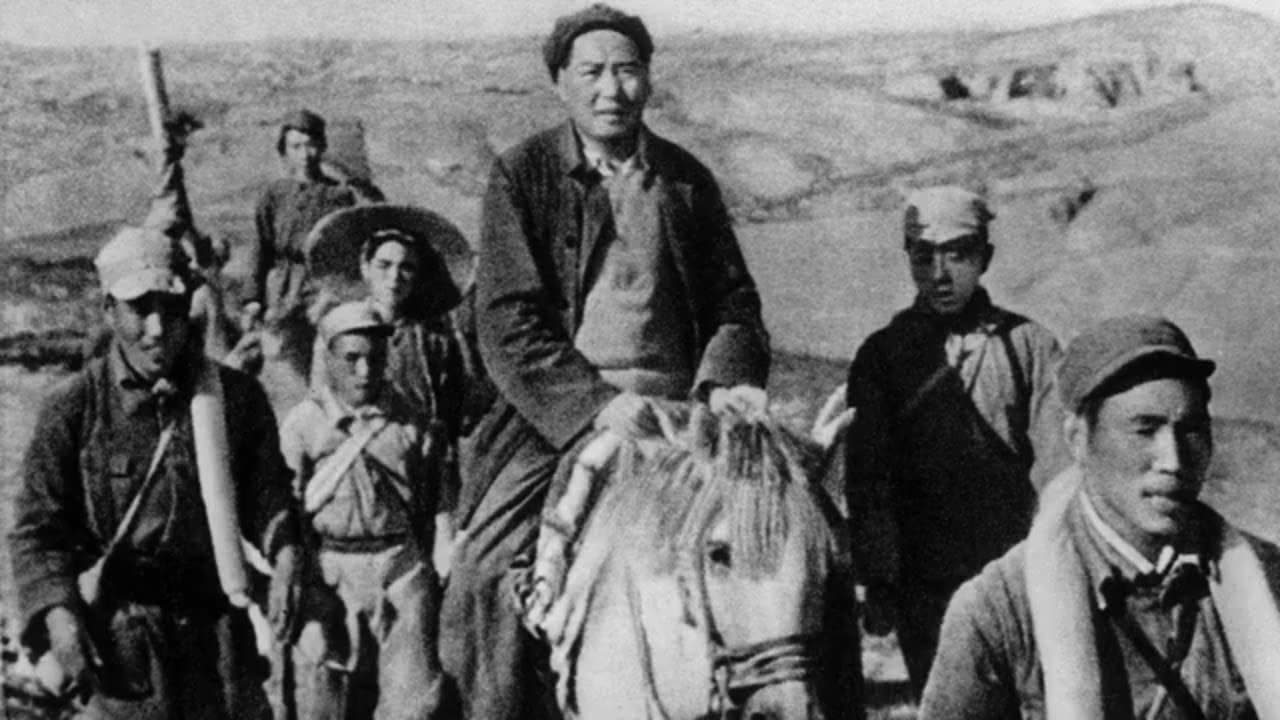
The reason for The Long March was to escape the encirclement of the Central Soviet Republic by Chiang Kai-shek's armies. Zhou Enlai planned in secret the details of the Chinese Communist's escape from the encirclement of the Central Soviet. He identified a Guangdong warlord who preferred to save his troops rather than fight the Red Army. Who undertook the Long March of 1934? The First Red Army was able to pass through a number of blockhouses, before reaching the last of Chiang Kai-shek's (Jiang Jieshi) fortifications near the Xiang River and suffering major casualties. They lost their heavy weapons and almost half their troops at that battle. That was a difficult beginning for the Chinese Long March. Then the Red Army moved quickly and often at night on The Long March. They reached northern Guizhou, close to the base of the Second Red Army, and rested. At the Zunyi Conference, the 28 Bolsheviks lost their previous influence over the Communist Party of China (CPC) and Mao Zedong (Mao Tse-tung) began his rise to power. Mobile and guerilla warfare again became military policy. The destination for the Long March changed at this point and instead of staying in Guizhou, the First Red Army tried to cross north into Sichuan. Faced with defensive resistance and at risk of annihilation, the First Red Army crossed the Chishui River four times. They escaped destruction, but now chose to move west and then north through Yunnan. They reached western, rather than eastern Sichuan. The Long Marchers faced Snowy Mountains and a treacherous bog. The First Red Army finally met up with the leader of the Fourth Red Army, Zhang Guotao, but couldn't reach agreement on a destination. Zhang preferred that they all settle around Sichuan, where he already had built a base and had the strongest Red Army. Mao preferred to continue travelling to northern Shaanxi. His column arrived there in late 1935 and in 1936, moved within northern Shaanxi to Yenan. It is said they crossed 18 mountain ranges and 24 rivers to reach there. Early on, Mao saw the Long March's myth-making potential and used it to turn this military retreat into a story of the Communists trip through the wilderness to a new land. It was symbolic of the journey from the old China to the new promised China. Zhang Guotao's column was soon defeated and, having lost his military strength, Zhang also lost power in the Communist Party and after a trial and self-criticism, went over to the Guomindang. Chiang Kai shek might have allowed the Communists to retreat westward in order to follow them and take greater control over autonomous provinces like Guangxi and Sichuan. Because of the Long March, he was able to influence Sichuan for the first time and later made its then city of Chongqing his capital during World War II. The Communist Party leadership survived because of the Long March, but most ordinary soldiers did not. Mao's wife gave birth painfully along the way. Of the approximately 80,000 troops who left the Central Soviet, only about 7,000 arrived in northern Shaanxi, and that was with recruitment along the way. Yet much had changed, including greater autonomy of the Chinese Communists (CPC) from Moscow. The time for socialism with Chinese characteristics was beginning. The Chinese Red Army's Long March was over with Mao Zedong in Yan'an. His journey to the west and north was over and he would now settle down for a while. This is episode 55 of the Chinese Revolution series.
About YouTube Real-Time View Count
With SocialCounts.org’s view counter, track your YouTube video’s live view count and YouTube likes count in real time with fast, reliable updates.
Watch every YouTube video live view count rise with our real-time YouTube views tracker—built for accuracy and minimal delay.
Follow YouTube real time views as they happen, using our dedicated view counter for YouTube videos.
Get up-to-date live view count on YouTube and see real-time growth with SocialCounts.org’s smart tracking tools.
Embed Widget
Parameters:
fullscreen=true- Fullscreen countergraph=true- Live graph chartcounter=0/1/2- Select counter (0=likes, 1=views, 2=comments)
URL
Click to copy the embed URL to your clipboard