

198,227
likes
7,383
comments
daily view 0
monthly view 0
Live Analytics
Comments 0
What Did Ancient Humans Do at Night? Analytics Table
Income Estimates for What Did Ancient Humans Do at Night?
Based on this YouTube video's total view count of 7.87M views and industry-standard rates, the estimated total earning is $5.51K - $15.7K through ad revenue. Historical data is not yet available to calculate daily, weekly, or monthly averages.
About What Did Ancient Humans Do at Night?
Explore What Did Ancient Humans Do at Night? with 7,870,702 views, 198,227 likes, and 7,383 comments. Experience the impact of this video content that has captured audience attention.
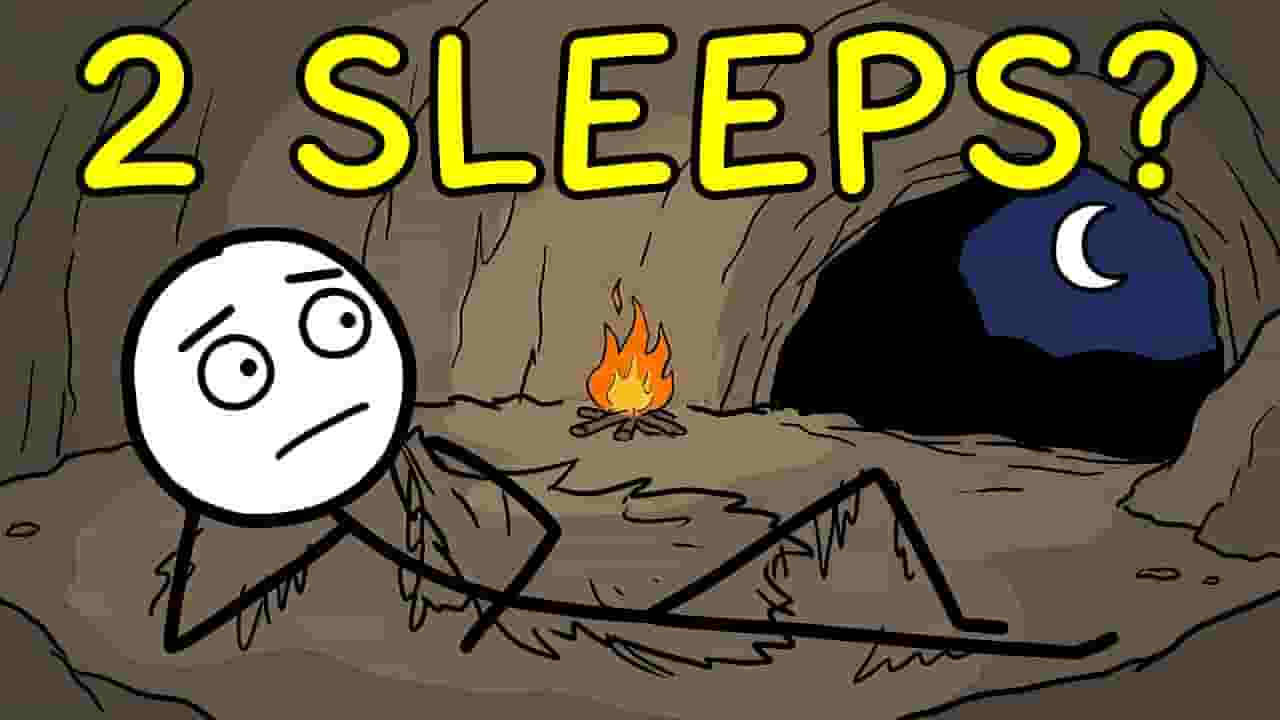
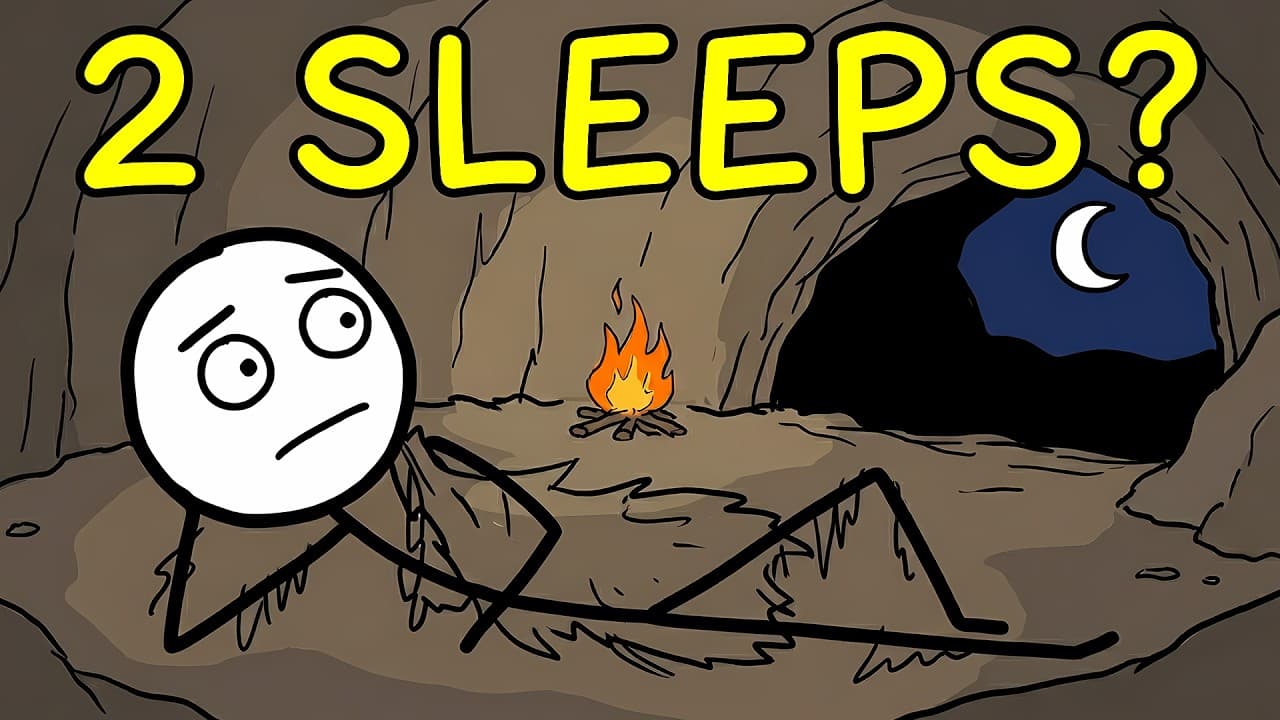
Tonight, when you flip a light switch, you probably won’t think twice about it. But for 99.9% of human history, that switch didn’t exist. For over 300,000 years, your ancestors spent half their lives in a darkness so thick they couldn't see their own hands—and it turns out, that darkness made us who we are. In this video, we explore how the discovery of fire didn't just keep us safe from predators; it literally restructured the human brain. We dive into the fascinating "lost history" of sleep, revealing that the eight-hour block we struggle to achieve today is actually a modern invention. In this video, we discuss: The Campfire Revolution: How 30 feet of light transformed us from prey into storytellers. First and Second Sleep: The forgotten rhythm of human rest that existed for millennia before the light bulb. The "Watch": That mysterious, meditative window of midnight wakefulness that modern science is only just rediscovering. The Cost of Progress: What happens to our biology when we trade the Milky Way for a smartphone screen. If you’ve ever found yourself wide awake at 2 AM, feeling like your body is malfunctioning, the truth might be much more interesting: your body isn't broken—it's just remembering. Sources: Earliest controlled fire evidence: Berna et al., 2012 (PNAS). "Microstratigraphic evidence of in situ fire in the Acheulean strata of Wonderwerk Cave" Firelight & storytelling among hunter-gatherers: Wiessner, 2014 (PNAS). "Embers of society: Firelight talk among the Ju/'hoansi Bushmen" Pre-industrial two-phase sleep (historical record): Ekirch, 2001 (American Historical Review). "Sleep We Have Lost: Pre-Industrial Slumber in the British Isles." Expanded in his 2005 book "At Day's Close: Night in Times Past" Darkness experiment confirming biphasic sleep: Wehr, 1992 (Journal of Sleep Research). "In short photoperiods, human sleep is biphasic" Camping resets the circadian clock by ~2 hours: Wright et al., 2013 (Current Biology). "Entrainment of the Human Circadian Clock to the Natural Light-Dark Cycle" Paris street lighting under Louis XIV (1667): Lt. Gen. Gabriel Nicolas de la Reynie, historical record Curfew etymology (couvre-feu, "cover fire"): Oxford English Dictionary ━━━━━━━━━━━━━━━━━━━━━━━━━━━━ 🛑 WATCH - What Did Ancient Humans Do All Day? https://youtu.be/QZNB21kQCgQ 🛑 WATCH - What Did Ancient Humans Actually Eat? https://youtu.be/d8lMW1uDN4s #HumanHistory #SleepScience #Evolution #TheGreatDarkness #Anthropology
About YouTube Real-Time View Count
With SocialCounts.org’s view counter, track your YouTube video’s live view count and YouTube likes count in real time with fast, reliable updates.
Watch every YouTube video live view count rise with our real-time YouTube views tracker—built for accuracy and minimal delay.
Follow YouTube real time views as they happen, using our dedicated view counter for YouTube videos.
Get up-to-date live view count on YouTube and see real-time growth with SocialCounts.org’s smart tracking tools.
Embed Widget
Parameters:
fullscreen=true- Fullscreen countergraph=true- Live graph chartcounter=0/1/2- Select counter (0=likes, 1=views, 2=comments)
URL
Click to copy the embed URL to your clipboard