

4,192
likes
127
comments
daily view 0
monthly view 0
Live Analytics
Comments 0
2-Minute Neuroscience: Oxytocin Analytics Table
Income Estimates for 2-Minute Neuroscience: Oxytocin
Based on this YouTube video's total view count of 345K views and industry-standard rates, the estimated total earning is $242 - $691 through ad revenue. Historical data is not yet available to calculate daily, weekly, or monthly averages.
About 2-Minute Neuroscience: Oxytocin
Explore 2-Minute Neuroscience: Oxytocin with 345,711 views, 4,192 likes, and 127 comments. Experience the impact of this video content that has captured audience attention.
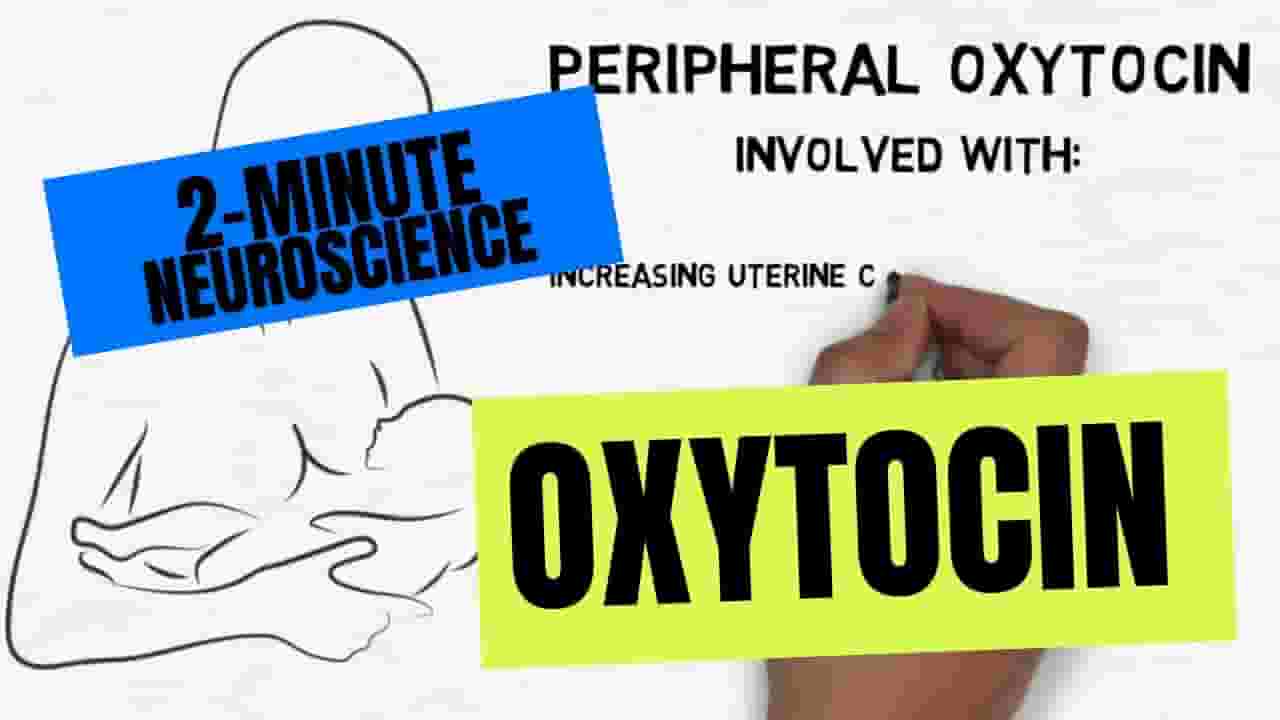
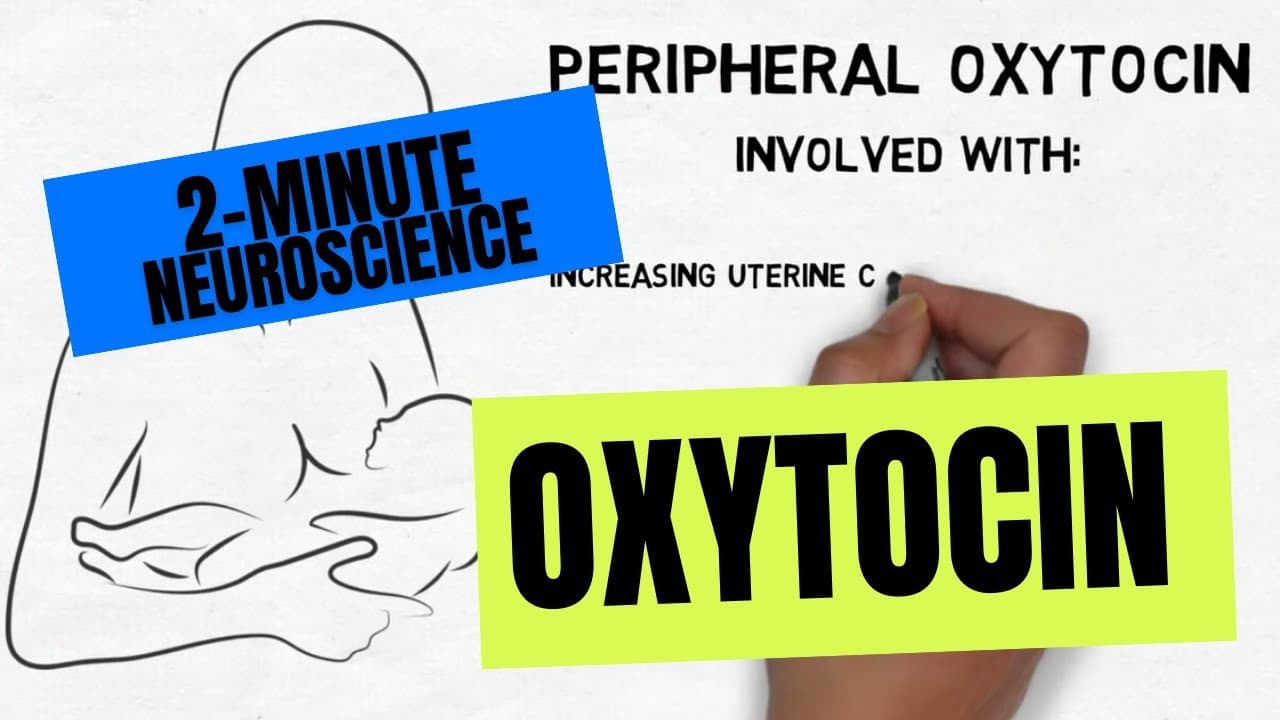
Oxytocin is a peptide hormone and neuropeptide that is thought to have a variety of effects ranging from increasing uterine contractions during labor to influencing social interactions. In this video, I discuss where in the brain oxytocin is synthesized and the hypothesized effects of oxytocin. 🧠 Take your learning further with my free, self-paced Introduction to Neuroscience course featuring my videos, articles, and hundreds of quiz questions: https://neuroscientificallychallenged.com/course If you're looking for accessible and entertaining ways to learn more about the brain, check out my books: 📚Your Brain, Explained: What Neuroscience Reveals About Your Brain and its Quirks: https://www.amazon.com/Your-Brain-Explained-Neuroscience-Reveals/dp/1473696569/ 📚Bizarre: The Most Peculiar Cases of Human Behavior and What They Tell Us About How the Brain Works: https://www.amazon.com/Bizarre-Peculiar-Cases-Human-Behavior/dp/139980121X/ TRANSCRIPT: Welcome to 2 minute neuroscience, where I explain neuroscience topics in 2 minutes or less. In this installment I will discuss oxytocin. Oxytocin is a peptide hormone and a neuropeptide, which is a name for a peptide that can also act as a neurotransmitter. Oxytocin is primarily produced in the hypothalamus and transported through axons to the posterior lobe of the pituitary gland. From there it can be secreted into the bloodstream of the body. Although there are a number of effects linked to this peripherally-acting oxytocin, the best understood effects have to do with childbirth and breastfeeding. Oxytocin is involved with increasing uterine contractions during labor and with the milk let-down reflex, which causes milk to be released during breastfeeding. There is also evidence, however, that some oxytocin-containing neurons project to other areas of the central nervous system including the hippocampus, cerebral cortex, brainstem, amygdala, and spinal cord. The effects of this centrally-released oxytocin are not as clearly understood. Some research suggests it is involved with trust, empathy, and social bonding. These findings have caused some to call oxytocin the trust hormone, the love hormone, or even the cuddle hormone. Others have argued, however, that oxytocin’s effects on the brain are not so clear-cut. Some researchers have found oxytocin to be associated with negative emotions and aggression, and some of the research supporting oxytocin’s function as a love or trust hormone has been criticized for methodological problems. Other researchers have hypothesized that oxytocin might be involved in promoting responsiveness to social cues in general, whether they be positive or negative. Thus, at this point there is no consensus on the effects of oxytocin’s actions on behavior. It is likely, however, that its effects on behavior are far more complex than a simple designation like the “love hormone” would suggest. REFERENCES: Veenema AH, Neumann ID. Central vasopressin and oxytocin release: regulation of complex social behaviours. Prog Brain Res. 2008;170:261-76. doi: 10.1016/S0079-6123(08)00422-6. Also, please see this article on my website that includes links to many other references about this topic, some of which were the basis for statements made in this video: https://www.neuroscientificallychallenged.com/blog/what-are-we-getting-wrong-in-neuroscience Image of breastfeeding mother taken from Max Pixel: http://maxpixel.freegreatpicture.com/Infant-Mother-Baby-Mother-And-Child-Breastfeeding-2730855
About YouTube Real-Time View Count
With SocialCounts.org’s view counter, track your YouTube video’s live view count and YouTube likes count in real time with fast, reliable updates.
Watch every YouTube video live view count rise with our real-time YouTube views tracker—built for accuracy and minimal delay.
Follow YouTube real time views as they happen, using our dedicated view counter for YouTube videos.
Get up-to-date live view count on YouTube and see real-time growth with SocialCounts.org’s smart tracking tools.
Embed Widget
Parameters:
fullscreen=true- Fullscreen countergraph=true- Live graph chartcounter=0/1/2- Select counter (0=likes, 1=views, 2=comments)
URL
Click to copy the embed URL to your clipboard