


1,728
likes
2
comments
daily view 0
monthly view 0
Live Analytics
Comments 0
Exploring Dwarf Planets: The Strangest Worlds in Our Solar System Analytics Table
Income Estimates for Exploring Dwarf Planets: The Strangest Worlds in Our Solar System
Based on this YouTube video's total view count of 13.9K views and industry-standard rates, the estimated total earning is $10 - $28 through ad revenue. Historical data is not yet available to calculate daily, weekly, or monthly averages.
About Exploring Dwarf Planets: The Strangest Worlds in Our Solar System
Explore Exploring Dwarf Planets: The Strangest Worlds in Our Solar System with 13,956 views, 1,728 likes, and 2 comments. Experience the impact of this video content that has captured audience attention.
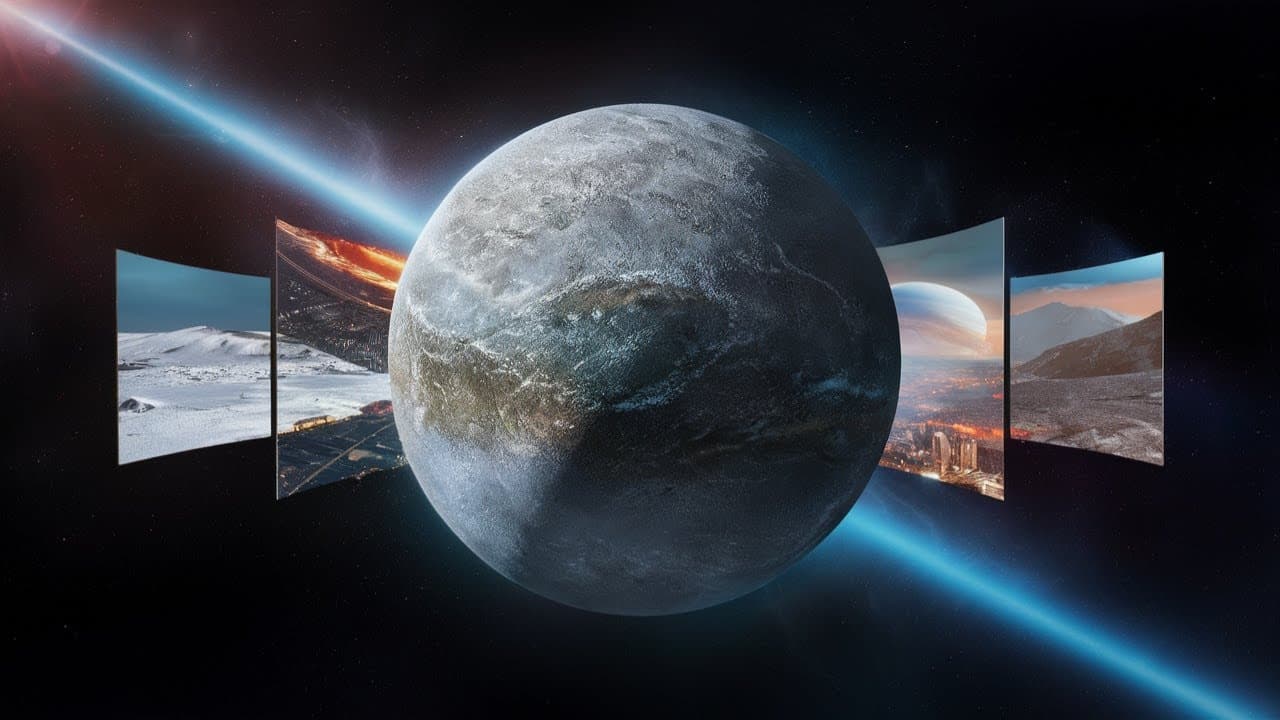
Exploring Dwarf Planets Strangest Worlds in Our Solar System. Dwarf Planets of the Solar System: Ceres, Pluto, Haumea, Makemake, and Eris Embark on an exhilarating adventure into the realm of the solar system's dwarf planets! In this captivating animation, we journey through the fascinating worlds of Ceres, Pluto, Haumea, Makemake, and Eris-each offering unique insights into the universe we call home. Perfect for astronomy enthusiasts or those simply curious about space, this video reveals the secrets of these lesser-known celestial wonders that orbit our Sun. 🌌 What You'll Discover: Ceres: The largest object in the asteroid belt and our closest dwarf planet, Ceres provides a glimpse into the solar system's beginnings. With its mysterious bright spots and possible subsurface ocean, Ceres is anything but ordinary. Pluto: Once the ninth planet, Pluto has captured our imaginations with its heart-shaped glacier and dynamic atmosphere. Thanks to NASA's New Horizons mission, we've uncovered incredible details about this iconic dwarf planet. Haumea: With its unique elongated shape and rapid rotation, Haumea stands out as a one-of-a-kind dwarf planet nestled in the Kuiper Belt. Its extraordinary features make it a fascinating subject of exploration. Makemake: This strikingly reddish Kuiper Belt object played a key role in the reclassification of planets. Makemake's unique properties add depth to our understanding of planetary formation. Eris: The most massive dwarf planet, Eris resides in the scattered disk and has challenged our understanding of what defines a planet. Each of these dwarf planets holds keys to the formation and evolution of our solar system. From Ceres' captivating bright spots to Pluto's lively atmosphere, we'll explore their distinct characteristics and importance in planetary science. 🌠 Why Tune In? Gain a deeper understanding of what makes each dwarf planet unique. Discover the latest breakthroughs in planetary science. Ideal for both newcomers and seasoned space enthusiasts! 👍 If You Enjoyed This Video: Hit the like button to support our channel. Subscribe for more thrilling space content, including animations and documentaries. Share with friends who love astronomy! 🔔 Turn on notifications so you never miss an update. Let's keep exploring the wonders of space together! #Exploring #DwarfPlanets #SolarSystem #SpaceScience #Astronomy #Ceres #Pluto #Haumea #Makemake #Eris #KuiperBelt #AsteroidBelt #SpaceExploration #CosmicJourney #SpaceEducation #SpaceDocumentary
About YouTube Real-Time View Count
With SocialCounts.org’s view counter, track your YouTube video’s live view count and YouTube likes count in real time with fast, reliable updates.
Watch every YouTube video live view count rise with our real-time YouTube views tracker—built for accuracy and minimal delay.
Follow YouTube real time views as they happen, using our dedicated view counter for YouTube videos.
Get up-to-date live view count on YouTube and see real-time growth with SocialCounts.org’s smart tracking tools.
Embed Widget
Parameters:
fullscreen=true- Fullscreen countergraph=true- Live graph chartcounter=0/1/2- Select counter (0=likes, 1=views, 2=comments)
URL
Click to copy the embed URL to your clipboard