

7,900
likes
1,079
comments
daily view 0
monthly view 0
Live Analytics
Comments 0
How Big The Great Pacific Garbage Patch Really Is Analytics Table
Income Estimates for How Big The Great Pacific Garbage Patch Really Is
Based on this YouTube video's total view count of 1.08M views and industry-standard rates, the estimated total earning is $761 - $2.17K through ad revenue. Historical data is not yet available to calculate daily, weekly, or monthly averages.
About How Big The Great Pacific Garbage Patch Really Is
Explore How Big The Great Pacific Garbage Patch Really Is with 1,087,540 views, 7,900 likes, and 1,079 comments. Experience the impact of this video content that has captured audience attention.
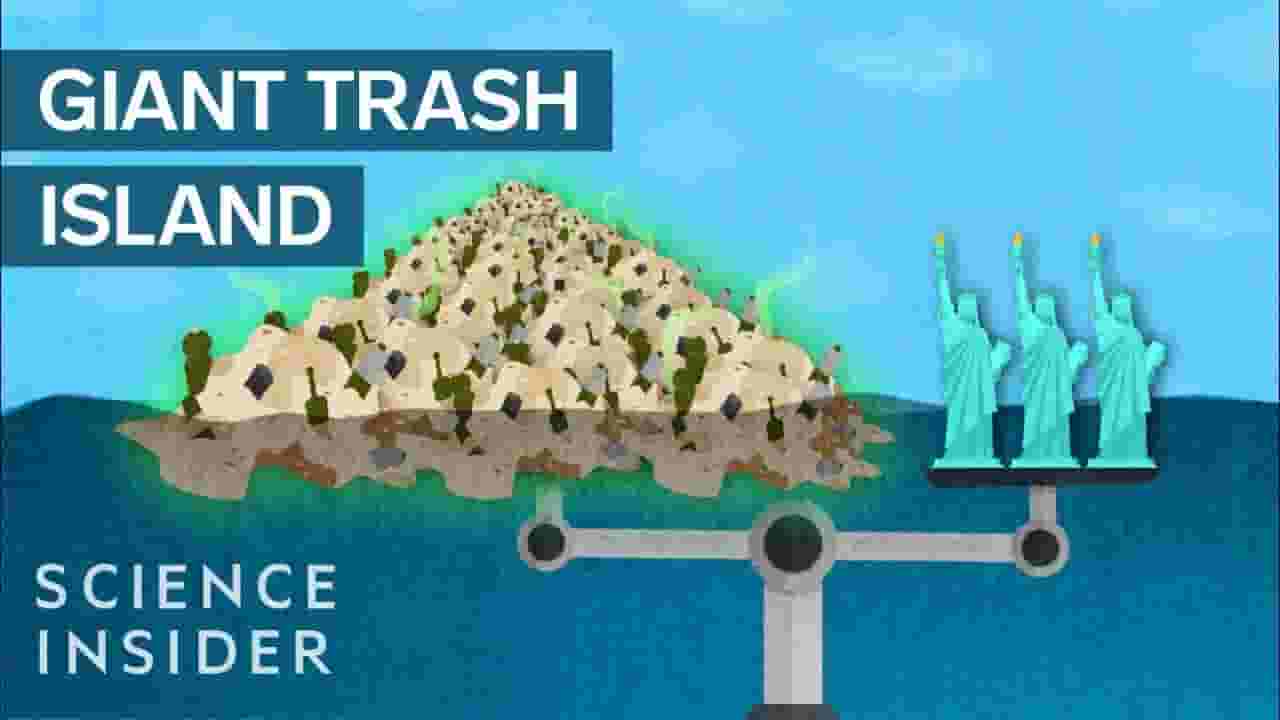
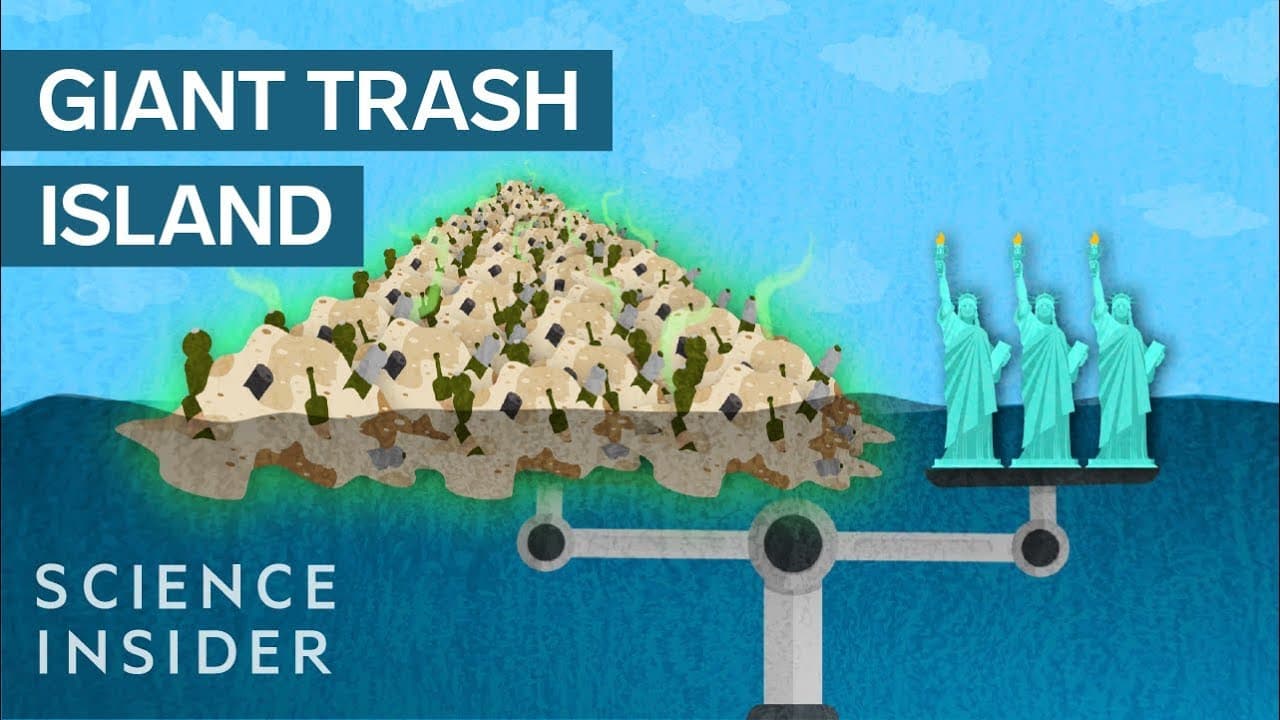
Eight million tons of plastic winds up into the world’s oceans every year, much of that accumulating in the Great Pacific Garbage Patch. That 80,000 tons of fishing net, bottles, and other trash has more pieces of plastic than there are stars in the Milky Way Galaxy. And it’s only getting bigger. ------------------------------------------------------ #GreatPacificGarbagePatch #Recycling Science Insider tells you all you need to know about science: space, medicine, biotech, physiology, and more. Subscribe to our channel and visit us at: http://www.businessinsider.com/science Science Insider on Facebook: https://www.facebook.com/BusinessInsiderScience/ Science Insider on Instagram: https://www.instagram.com/science_insider/ Business Insider on Twitter: https://twitter.com/businessinsider Tech Insider on Twitter: https://twitter.com/techinsider ------------------------------------------------------ How Big The Great Pacific Garbage Patch Really Is Following is a transcript of the video: Plastic is a massive problem that we as humans face and have subjected upon the other beings we share this planet with. In the middle of the ocean lies the Giant Pacific Garbage Patch that shows us just how much this problem has gotten out of hand. Here are some comparisons on how massive the Giant Pacific Garbage Patch is. Following is a transcript of the video. The world produces enough plastic each year to build 50 Pyramids of Giza. That’s over 350 million tons of candy wrappers, PVC pipes, and synthetic t-shirts. While most of it ends up in landfills 8 million tons wind up in our oceans each year. Where most finds its way into massive garbage patches around the world. And the biggest of them all is called the Great Pacific Garbage Patch. How Big The Great Pacific Garbage Patch Really Is. If you picked up each piece of plastic in the Great Pacific Garbage Patch you’d carry away about 1.8 trillion individual pieces. That’s ten times more than there are stars in our Milky Way Galaxy. And it would weigh a whopping 80,000 tons. Equivalent to the weight of three Statues of Liberty. Half of the entire patch is made of plastic fishing nets, lines, and ropes, which come from intense fishing activity near the area. The other half is mostly hard plastics and films, like water bottles and plastic wrap. But don’t let the name “Great Pacific Garbage Patch” fool you. It doesn’t look like a giant mountain of trash at all. It’s actually scattered over a region of ocean that’s twice the size of Texas, according to some estimates. So if you wanted to pick up every piece of plastic, it would take you 121 days at a walking pace of 5 km/hr to cover the entire area. Though in reality, there’s no true end since the garbage patch is constantly ebbing and flowing with the ocean currents. But let’s pretend you could scoop it all up into one place. There’d be enough plastic to fill 100 Boeing 747 planes! And the patch is only getting bigger. It’s been growing exponentially larger for nearly 70 years. Partly because once the plastic is there it’ll stick around for centuries. Those plastic fishing lines, for example, will take 600 years to break down. And even after they break down, the damage doesn’t stop there. Most end up as microplastics that are too small to see with the naked eye. But can make it into the bellies of sea animals and ultimately the humans that eat those animals. Worldwide, researchers have found ingested microplastics in, every species of sea turtle. Nearly 60% of whale species. And almost 60% of seabirds. Plus, more plastic is pouring into the world’s oceans each day. In fact, experts estimate that by the year 2050 the amount of plastic in the oceans will outweigh all the world’s fish. Think about that the next time you toss your water bottle in the trash because the recycling’s full.
About YouTube Real-Time View Count
With SocialCounts.org’s view counter, track your YouTube video’s live view count and YouTube likes count in real time with fast, reliable updates.
Watch every YouTube video live view count rise with our real-time YouTube views tracker—built for accuracy and minimal delay.
Follow YouTube real time views as they happen, using our dedicated view counter for YouTube videos.
Get up-to-date live view count on YouTube and see real-time growth with SocialCounts.org’s smart tracking tools.
Embed Widget
Parameters:
fullscreen=true- Fullscreen countergraph=true- Live graph chartcounter=0/1/2- Select counter (0=likes, 1=views, 2=comments)
URL
Click to copy the embed URL to your clipboard