

711
likes
59
comments
daily view 0
monthly view 0
Live Analytics
Comments 0
Beethoven: Piano Sonata No. 23 "Appassionata" | Lang Lang (Full Concert) Analytics Table
Income Estimates for Beethoven: Piano Sonata No. 23 "Appassionata" | Lang Lang (Full Concert)
Based on this YouTube video's total view count of 29.0K views and industry-standard rates, the estimated total earning is $20 - $58 through ad revenue. Historical data is not yet available to calculate daily, weekly, or monthly averages.
About Beethoven: Piano Sonata No. 23 "Appassionata" | Lang Lang (Full Concert)
Explore Beethoven: Piano Sonata No. 23 "Appassionata" | Lang Lang (Full Concert) with 29,085 views, 711 likes, and 59 comments. Experience the impact of this video content that has captured audience attention.
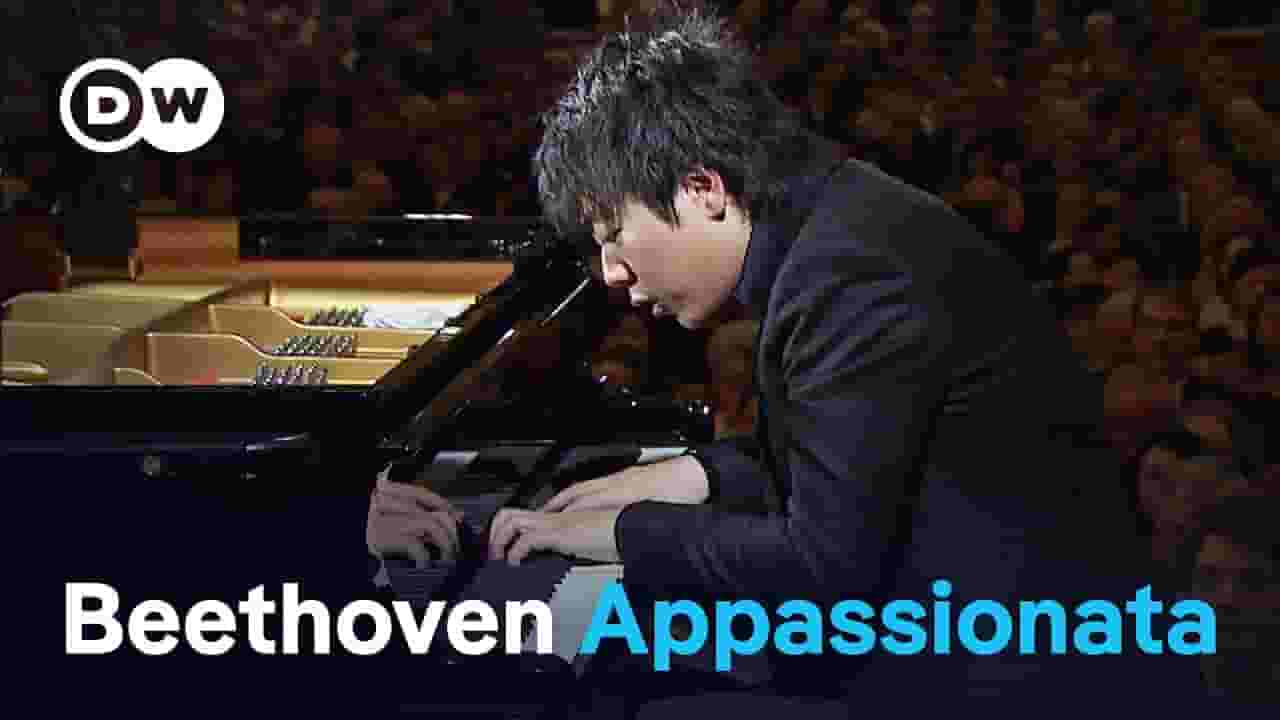
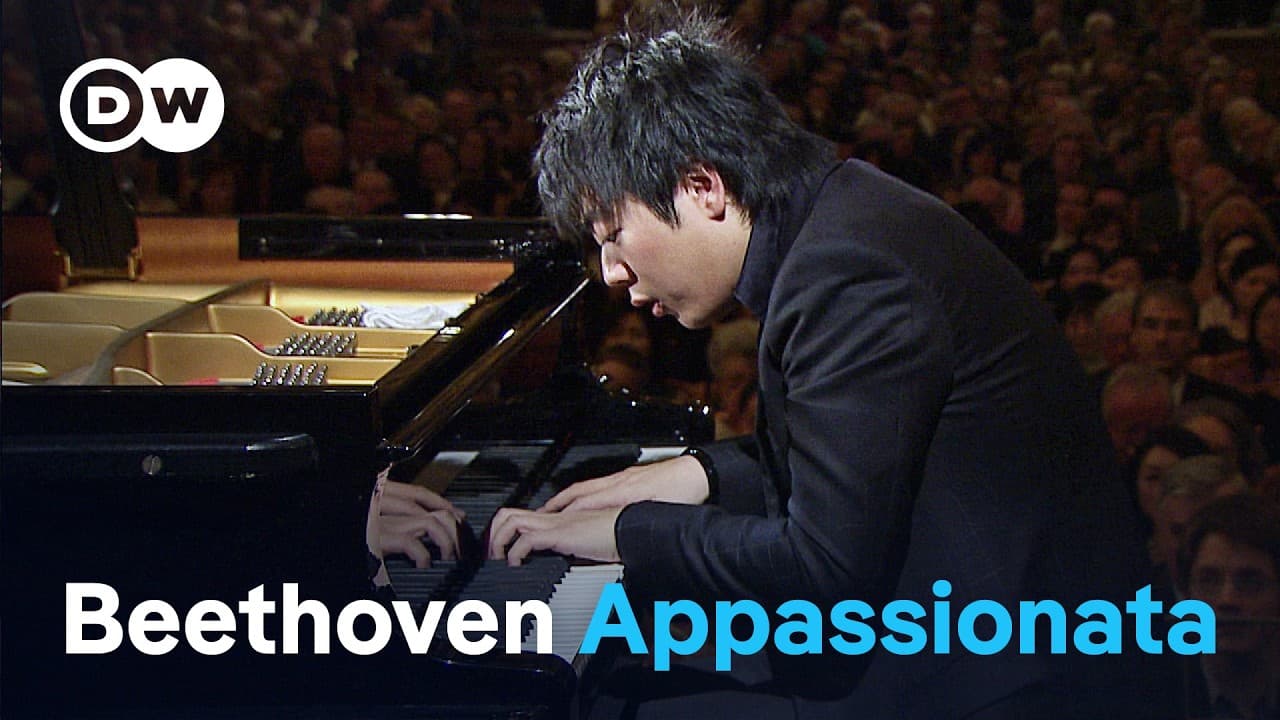
It is probably Beethoven’s most passionate composition of all: Piano Sonata No. 23 in F minor, Op. 57, aptly known as the Appassionata. Here, Lang Lang, one of the world's most charismatic virtuoso pianists, delivers a masterful performance of the famous sonata. The Chinese pianist performed it in the now-legendary concert titled "Live from Vienna" in 2010 at the Vienna Musikverein. (00:00) I. Allegro assai (11:01) II. Andante con moto (18:18) III. Allegro ma non troppo Even Ludwig van Beethoven (1770–1827) considered Piano Sonata No. 23 in F minor to be his greatest piano sonata — and to this day it's still considered one of the supreme achievements of sonata composition of its era. Beethoven began work on the sonata in 1804, completed it in 1805, and had it published in 1807. It was dedicated to Count Franz von Brunsvik, at whose castle Beethoven had briefly stayed. The anecdotes surrounding the sonata’s creation match its fiery and demanding character. Beethoven’s friend and student Ferdinand Ries (1784–1838) recounts a walk during which the great composer spent the entire journey humming — at times even howling — to himself, without singing any distinct notes. When asked what he was doing, Beethoven replied that a theme for the sonata’s final movement had just come to him. According to legend, Beethoven carried the autograph manuscript of the completed sonata in his pocket during a rainstorm, leaving it with severe water damage. Interestingly, the famous nickname Appassionata didn't come from Beethoven himself but was added posthumously by the publisher of a four-hand arrangement. Because it was so fitting, the 23rd Piano Sonata has been known simply as the Appassionata ever since. However, this celebrated piano work is set apart not only by its passion but also by its reputation for being both difficult to understand and extraordinarily difficult to perform. The first movement formally follows sonata form, yet this classical structure is repeatedly disrupted by rapid, dissonant piano passages. A noble theme emerges several times, threatening to disappear. Interwoven throughout is a four-note rhythmic motif that Beethoven would later famously develop into the so-called "Fate Motif" of his Symphony No. 5 in C minor, Op. 67 (1807–1808). Overall, the first movement radiates a weighty sense of pathos. In its tension between strict formal control and wild eruptions beyond that form, it resembles a struggle between solemn seriousness and raging turbulence. After the inferno of the first movement, the second movement seems almost orderly by comparison. A stately, ceremonial melody unfolds like a chorale or hymn. The majestic theme is varied four times, becoming progressively more elaborate and elevated. Yet this lyrical set of variations ends abruptly and sharply: instead of a harmonious resolution, the finale follows attacca (without pause), surpassing the opening movement many times over in temperament. Its relentlessly accelerating pace resembles a wild ride into the abyss. The constantly driving momentum culminates in a Presto that seems to push beyond all limits. In its mounting speed and expressiveness, one could almost describe the third movement as manic. In any case, Beethoven’s Piano Sonata No. 23 expresses a remarkable emotional turmoil in musical form. And yet — or perhaps precisely because of that —the Appassionata remains not only one of the composer’s most famous piano works but also one of the crowning achievements of his creative oeuvre.© 2010 Sony Classical International Text: Rita Kass © 2010 Sony Classical International Find more concerts here: https://www.youtube.com/playlist?list=PL_SdnzPd3eBV5A14dyRWy1KSkwcG8LEey in our Beethoven playlist: https://www.youtube.com/playlist?list=PL_SdnzPd3eBWcX1eOXH-w75x-_-7gRF-w in our playlist featuring pieces for solo piano: https://www.youtube.com/playlist?list=PL_SdnzPd3eBV8VQOtGGTUYSryvB_k8Wl- and in our playlist with great works from the Classical period: https://www.youtube.com/playlist?list=PL_SdnzPd3eBX17Jic5IUJQle18jrnZAof Subscribe to DW Classical Music: https://www.youtube.com/dwclassicalmusic #beethovenpianosonata #appassionata #langlang
About YouTube Real-Time View Count
With SocialCounts.org’s view counter, track your YouTube video’s live view count and YouTube likes count in real time with fast, reliable updates.
Watch every YouTube video live view count rise with our real-time YouTube views tracker—built for accuracy and minimal delay.
Follow YouTube real time views as they happen, using our dedicated view counter for YouTube videos.
Get up-to-date live view count on YouTube and see real-time growth with SocialCounts.org’s smart tracking tools.
Embed Widget
Parameters:
fullscreen=true- Fullscreen countergraph=true- Live graph chartcounter=0/1/2- Select counter (0=likes, 1=views, 2=comments)
URL
Click to copy the embed URL to your clipboard